Arrival in Bali
Welcome to the Island of the Gods. As you step off the plane at Ngurah Rai International Airport, the warm, humid air and the scent of frangipani and clove cigarettes tell you that you have arrived somewhere very different from home. Bali is an island of about four million people, most of them Hindu, which makes it unique in Indonesia, the country with the world's largest Muslim population. Its culture, temples, festivals and art are unlike anywhere else, and that is what draws visitors from all over the world. Bali is two and a half hours ahead of India, so set your watch forward.
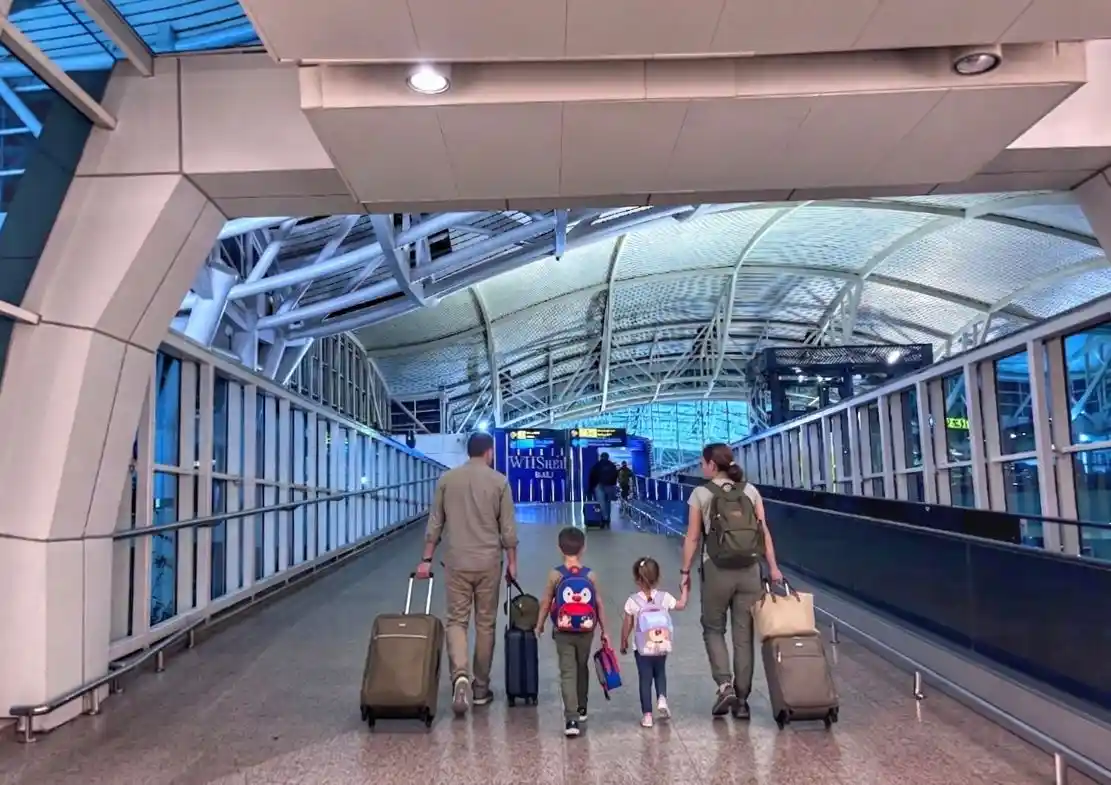
Flights from India reach Bali either directly from some cities or with a short connection through Singapore, Kuala Lumpur or Bangkok, and many travellers arrive in the afternoon or evening. At immigration, show your passport, visa on arrival or e-VOA, return ticket and hotel details. The arrival card and the tourist levy can both be completed online before you travel, which saves time at the airport. After collecting your bags and clearing customs, walk out to the arrivals area, where our representative will meet you with a name board.
Your private car takes you north to Ubud, a drive of about one and a half to two hours. It is worth staying awake for. The road passes through Denpasar, the island's capital, and then through a string of villages, each with its own temples, banyan trees and markets. Look out for the tall bamboo poles called penjor, curving over the road and decorated with woven palm leaves; they are put up for festivals, especially Galungan, one of the most important Balinese holidays, when the spirits of ancestors are believed to return to earth.
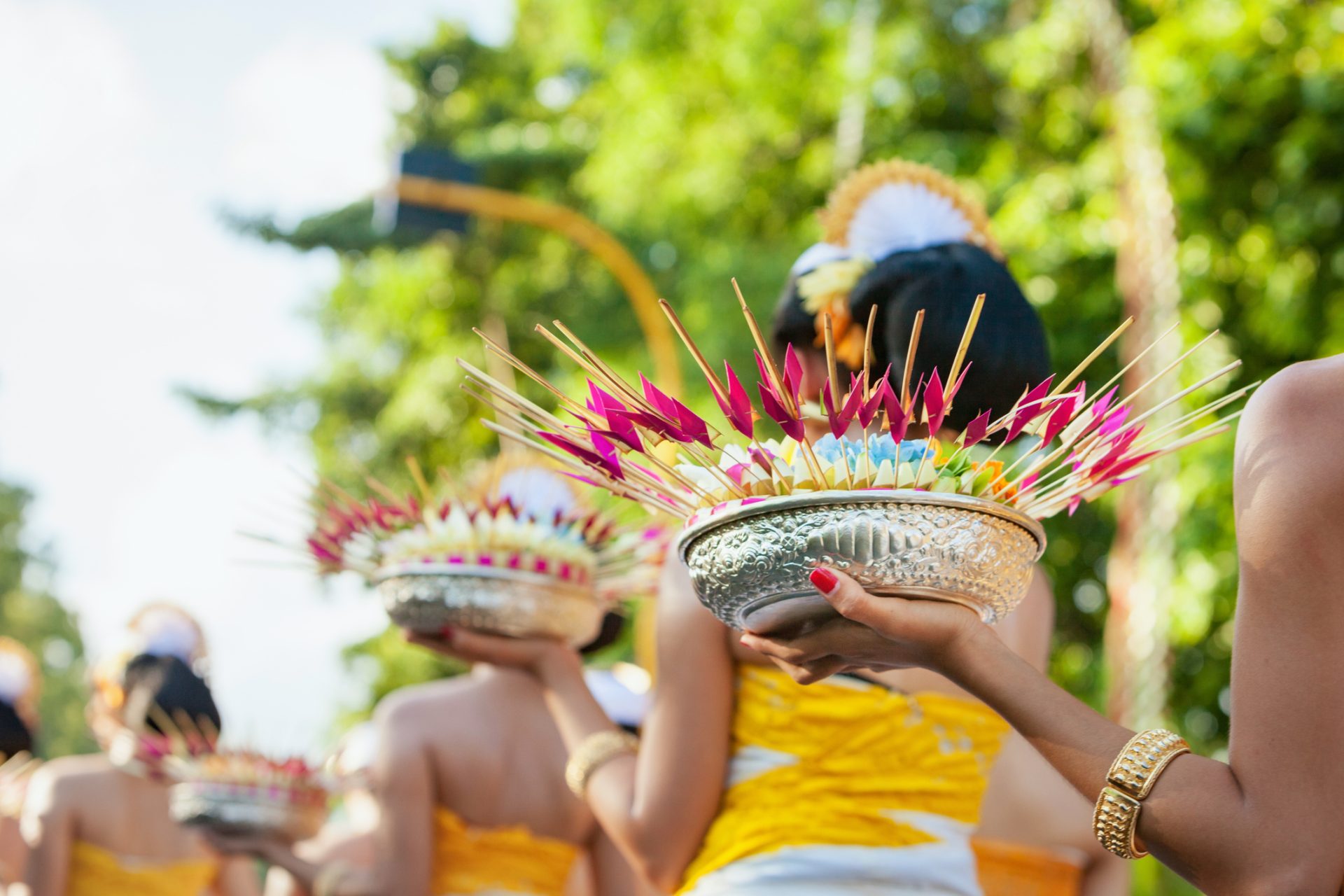
You will also notice the little offerings everywhere. Each morning, Balinese families place canang sari, small trays of woven palm leaf filled with flowers, rice, a little food and a stick of incense, at their gates, shrines, shops and even on car dashboards, to thank the gods and keep away evil spirits. Walk around them rather than over them, and you will be showing the respect that the Balinese greatly appreciate.
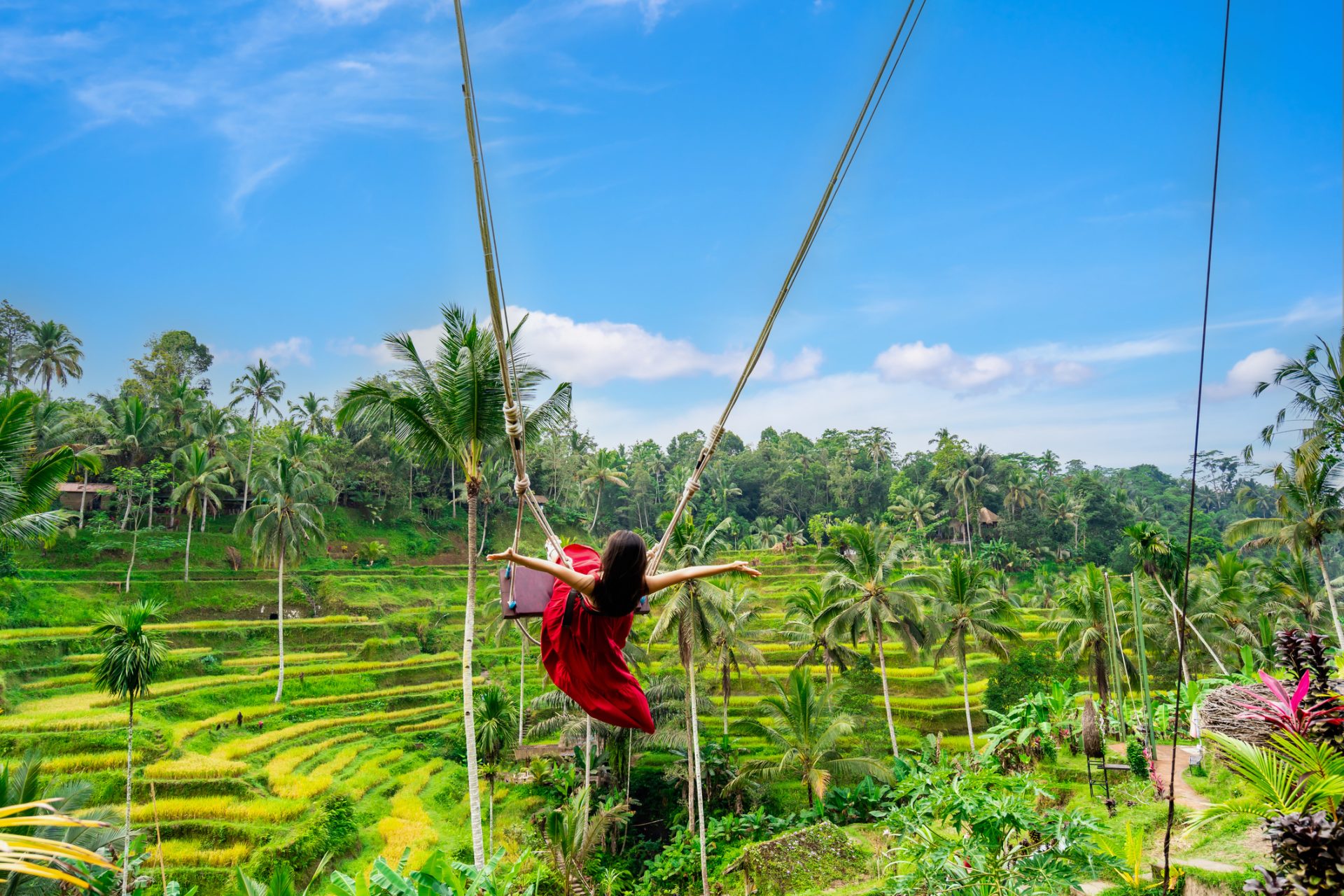
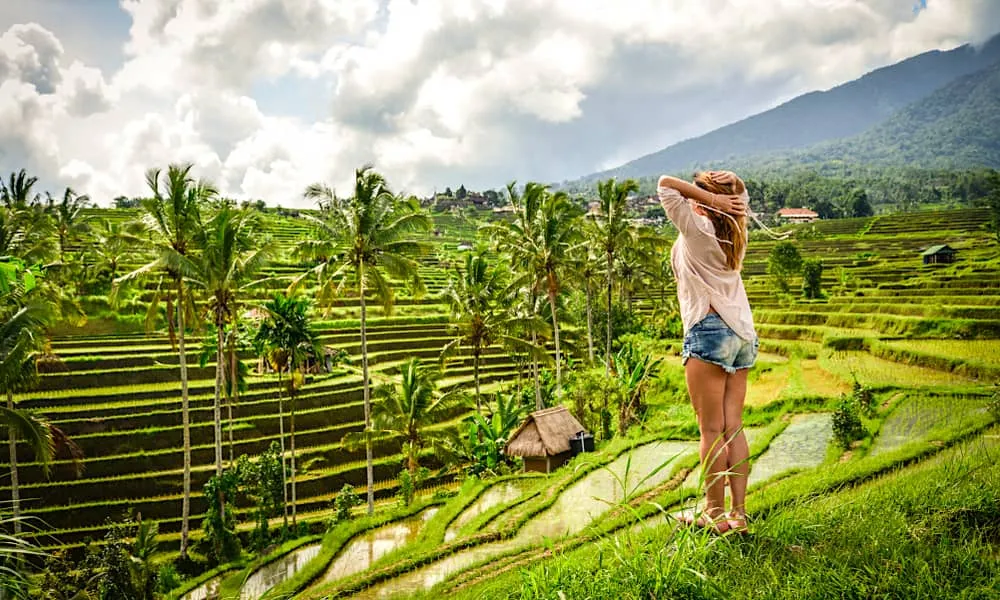
Ubud is the island's centre of arts and culture, a town of painters, dancers, musicians and craftspeople set among rice fields and jungle ravines. Western artists such as Walter Spies and Rudolf Bonnet lived here in the 1920s and 1930s and helped to make Ubud famous, and today it is home to museums, galleries and craft workshops, as well as yoga studios, spas and some of the most beautiful hotels in Asia.
Check in to your hotel and take the rest of the day at leisure. If you arrive in time, walk into the centre of town for an early evening stroll. Jalan Monkey Forest and Jalan Hanoman, the two main streets, are lined with cafés, galleries and boutiques, and at the bottom of Monkey Forest Road is the Sacred Monkey Forest Sanctuary, a forest of huge trees and mossy temples where hundreds of long-tailed macaques live. It is best visited in the morning or late afternoon, and remember to keep your belongings close.
In the evening, Ubud Palace and several temples around the town hold traditional dance performances, with the hypnotic music of the gamelan, an orchestra of bronze gongs, drums and metallophones. The Legong, performed by young women in glittering gold costumes, and the Barong, a dance-drama about the battle between good and evil, are among the most popular, and tickets are sold at the entrance or in the street during the day.
A few practical things will make your stay easier. Buy a SIM card or eSIM at the airport for maps and ride-hailing apps such as Grab and Gojek. Use ATMs inside banks or shopping centres, and change money only at authorised exchange counters. Drink bottled or filtered water, and carry mosquito repellent, especially in the green valleys around Ubud, where evenings can be humid.
Ubud's evenings are cool and quiet, and most restaurants close by about 10 PM, so it is a good place to settle into the slower rhythm of Bali after the journey.
Dinner is at your own choice. Ubud is famous for its food, from Balinese warungs to healthy cafés and fine dining, and it is one of the easiest places in Bali to eat vegetarian. Get a good night's sleep: tomorrow you head into the highlands to see an active volcano.
Included today: meet and greet at Bali airport, private arrival transfer to your hotel in Ubud, hotel stay.
Good to know: apply for the e-VOA, complete the arrival card and pay the tourist levy before you fly. Carry some Indonesian rupiah for small purchases; cards are widely accepted in hotels and restaurants. Read our guide to flights from India to Bali and the Bali visa for Indians.