Standard Package

Bali Kuta, Ubud & Seminyak Explorer

This Bali 7 nights 8 days package covers all three of Bali's classic bases: three nights in lively Kuta, two in cultural Ubud and two in stylish Semi…

⌖ Bali, Indonesia ✦ Family & senior friendly planning
Package snapshot
DestinationBali
Travel styleStandard Package
From ₹40,571 per person (twin sharing), land only, GST extra

Price updated 9 Nov 2026, 6:00 AM IST at today's exchange rate. Vendor payments are in foreign currency, so the final amount is fixed at our selling exchange rate on the date of full payment. GST 5% and TCS 2% extra at checkout.

Your holiday

Bali Kuta, Ubud & Seminyak Explorer: overview

The complete Bali, in one easy circle

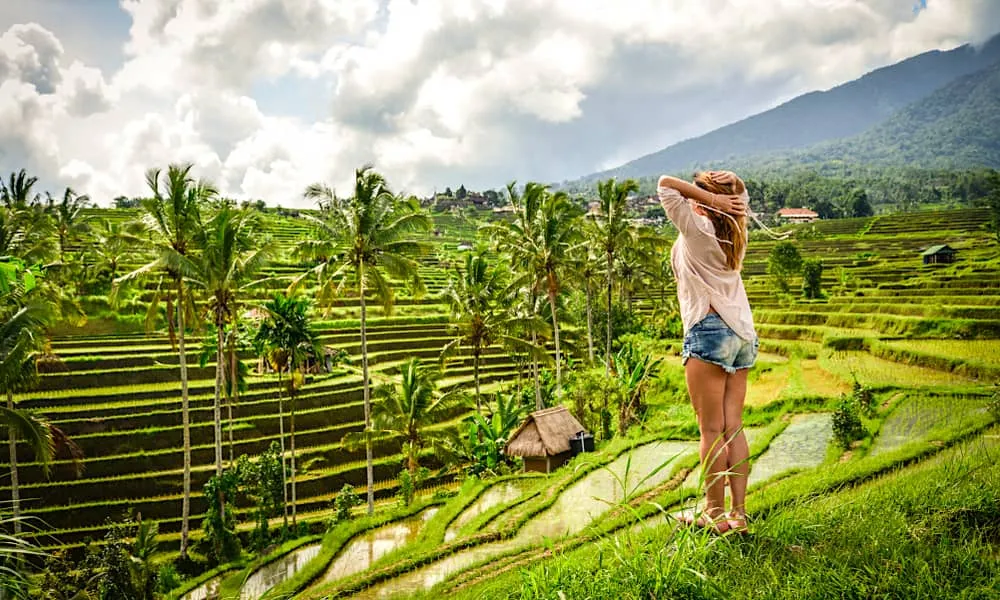
Picture the moment the Kecak chanters fall silent on the clifftop at Uluwatu as Hanuman leaps through fire, and a few days later, the mist lifting off the rice terraces outside your room in Ubud. This Bali 7 nights 8 days package is the route our Bali itinerary guide recommends for seeing the whole island once: three nights by the beach in Kuta, two nights in the hills of Ubud and two nights on the sunset coast at Seminyak.

From Kuta, you start gently with water sports at Tanjung Benoa, banana boat included, then spend a private day at the sea temples of Tanah Lot and Uluwatu, timed for the sunset. In Ubud, you explore the Monkey Forest, the lotus temple and the evening dances, and take a private tour through the craft villages and the UNESCO-listed rice landscape to the Kintamani viewpoint over Mount Batur. Back on the coast in Seminyak, a speedboat day to Nusa Penida brings Kelingking, Broken Beach, Angel's Billabong and Crystal Bay, with lunch included.

Airport, inter-hotel and sightseeing transfers are private, the Nusa Penida tour is shared, and hotels include daily breakfast. It suits families with older children, couples and first-time visitors who want to see everything. For a family trip from one hotel, see our Bali Adventure, Island & Spa Holiday.

See all our Bali tour packages, follow the day plan in our Bali itinerary guide, or check the Bali trip cost from India.

Route

Kuta 3N → Ubud 2N → Seminyak 2N

Duration

7 Nights / 8 Days

Good to know

Package typeStandard Package
Planning supportSmall changes by enquiry
Best forFamilies, couples & seniors
Book now – pay 30%
Trip highlights
✦ Arrival in Bali - Transfer to Kuta
✦ Tanjung Benoa Water Sports with Banana Boat
✦ Tanah Lot Temple and Uluwatu Sunset Tour
✦ Kuta to Ubud
✦ Kintamani Volcano Tour with Ubud Village
✦ Ubud to Seminyak
Day-wise plan

Bali itinerary: day by day

Day 1
Arrival in Bali - Transfer to Kuta

Arrival in Bali - Transfer to Kuta

⌖ Kuta

Every good journey has a shape, and this one is planned like a circle. You begin on the beach in Kuta, close to the airport, so the first days are easy and restful. In the middle of the week, you climb into the cool hills of Ubud, the island's cultural heart, for temples, crafts, rice fields and a volcano. Then you come back down to the coast, to stylish Seminyak, for sunsets, good food and a final adventure on the island of Nusa Penida. By the time you fly home, you will have seen almost every side of Bali, without ever feeling rushed.

The journey starts at Ngurah Rai International Airport, which sits on a narrow isthmus at the southern end of the island, with its runway reaching out into the sea. Move your watch two and a half hours ahead of Indian time as you land. Indian travellers are eligible for a visa on arrival, and the smoothest way to get it is to apply online beforehand for the e-VOA. Fill in the arrival card online too, and pay the Bali tourist levy, a small charge for each visitor that helps protect the island's culture and environment. With all three confirmations saved on your phone, immigration usually takes only a few minutes.

Once you are through customs, look for our representative holding a board with your name in the arrivals hall. Your car is private, so you set off straight away, and the drive to Kuta takes only a quarter of an hour to half an hour. After a long flight, this short transfer is one of the reasons the trip starts here: there is no tiring drive into the hills, just a quick hop to the hotel, a cool drink and a swim.

As you drive, the first images of Bali appear outside the window. Scooters weave through the traffic carrying whole families, baskets of produce and even sheets of glass. Little shrines stand at road junctions and in front of shops, draped in black-and-white checked cloth, which symbolises the balance of good and evil. Tall carved gateways mark the entrances to family compounds, and every doorstep has a tiny tray of flowers and incense placed there that morning.

Check-in is usually from about 2 PM. If you land earlier, the hotel will look after your luggage while you have lunch. Most Kuta hotels have generous pools, and many have family rooms or rooms that connect, which we can request for you when you book. Take the afternoon gently: a swim, a nap, perhaps a fresh juice by the pool.

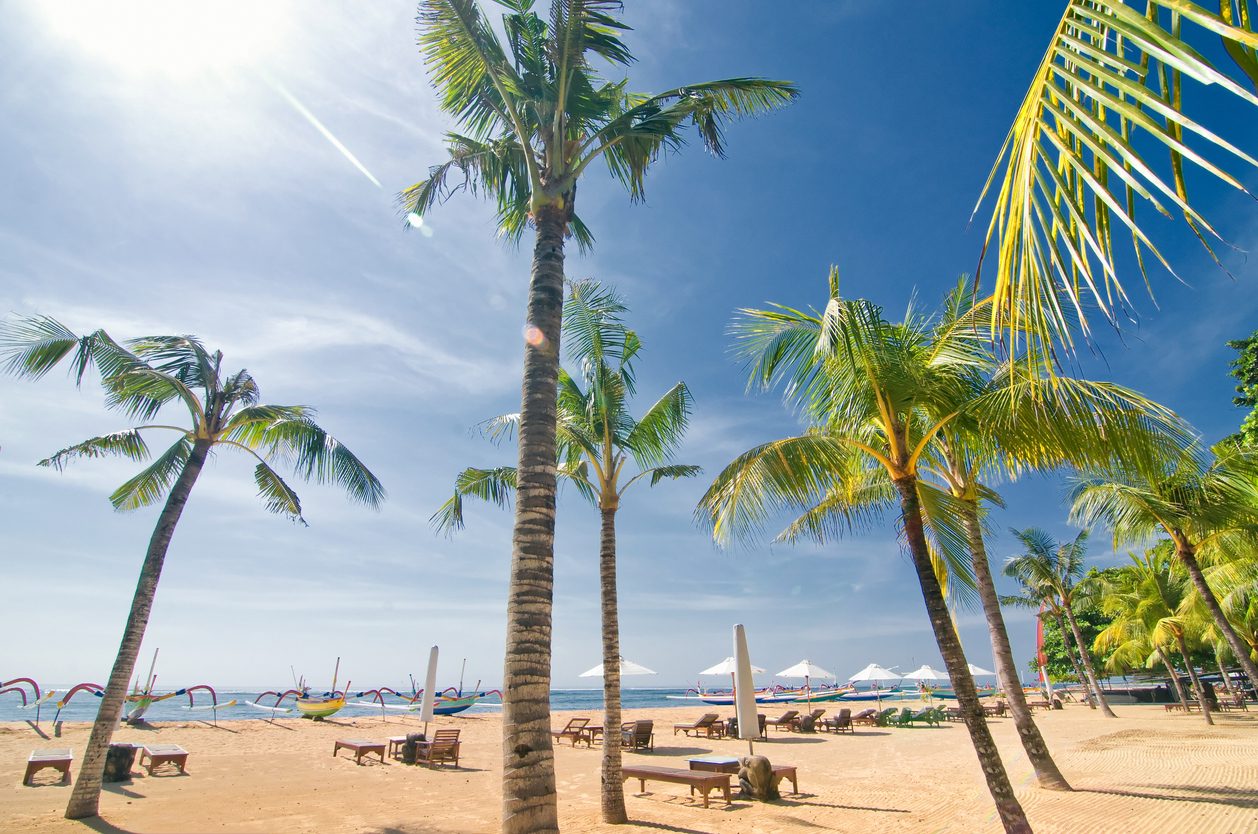
Towards the end of the afternoon, stroll down to the sand. Kuta's beach runs in a long golden curve towards Legian and Seminyak, and because it faces west, the sun sets straight into the sea. It is a sociable, cheerful place at this hour, with local families sitting on mats, children flying kites, surfers waiting for one last wave and vendors selling grilled corn and young coconuts with straws. The surf here can be powerful, so swim only between the red and yellow flags, where the lifeguards keep watch.

Kuta is also a practical first base. You will find ATMs, pharmacies, supermarkets and money changers within a short walk, so it is easy to pick up anything you forgot to pack. A local SIM card or eSIM, bought at the airport, lets you use maps and book cars through apps such as Grab and Gojek. Use cash machines inside banks or shopping centres, change money only at authorised counters, and drink bottled or filtered water.

For dinner, the beachfront and the lanes behind it are full of choice. Beachwalk Shopping Centre has restaurants and a food court overlooking the sea, while the narrow streets known as Poppies I and II, named after one of Kuta's earliest guesthouses, are lined with small eateries. You will find Indonesian favourites such as nasi goreng and chicken satay, international dishes and several Indian restaurants, with vegetarian food easy to come by everywhere.

Over dinner, it is worth looking at the week ahead together. Two more days in Kuta bring a morning on the water and a full day at the sea temples. Then come two nights among the rice fields in Ubud, with the volcano at Kintamani, and finally two nights in Seminyak, with a day trip to the cliffs of Nusa Penida. Each part of the trip has its own mood, and the moves between them are short and private.

Sleep well tonight; the island will still be here in the morning.

Included today: meet and greet at Bali airport, private arrival transfer to your hotel in Kuta, hotel stay.

Good to know: apply for the e-VOA, fill in the arrival card and pay the tourist levy before you fly, and keep the receipts on your phone. Each child needs their own visa. Read our guide to the arrival card and tourist levy and our Bali itinerary guide.
Day 2
Tanjung Benoa Water Sports with Banana Boat

Tanjung Benoa Water Sports with Banana Boat

⌖ Kuta

Your first full day is a gentle warm-up: a morning of fun on calm water, followed by an afternoon with nothing planned at all. After breakfast, your private car heads south-east from Kuta, past the airport and along the Bali Mandara toll road, which runs for several kilometres on a bridge above the bay. Children usually press their noses to the window here, watching the fishing boats and the herons in the mangroves below.

The destination is Tanjung Benoa, a slim finger of land pointing north from the resort area of Nusa Dua. A long reef lies just offshore, taking the force out of the ocean swell, so the lagoon inside is calm and shallow. That makes it the island's busiest centre for water sports, with a string of operators along the beach, each with a jetty, changing rooms, lockers, showers and a café.

The banana boat ride is included in your package. You strap on life jackets, climb onto a long inflatable tube, and a speedboat sets off across the lagoon, curving and bouncing until everyone is soaked and laughing. Drivers are known for one last sharp turn that sends the whole crew into the water. It is shallow and warm, the life jackets keep you afloat, and the boat circles back to collect you.

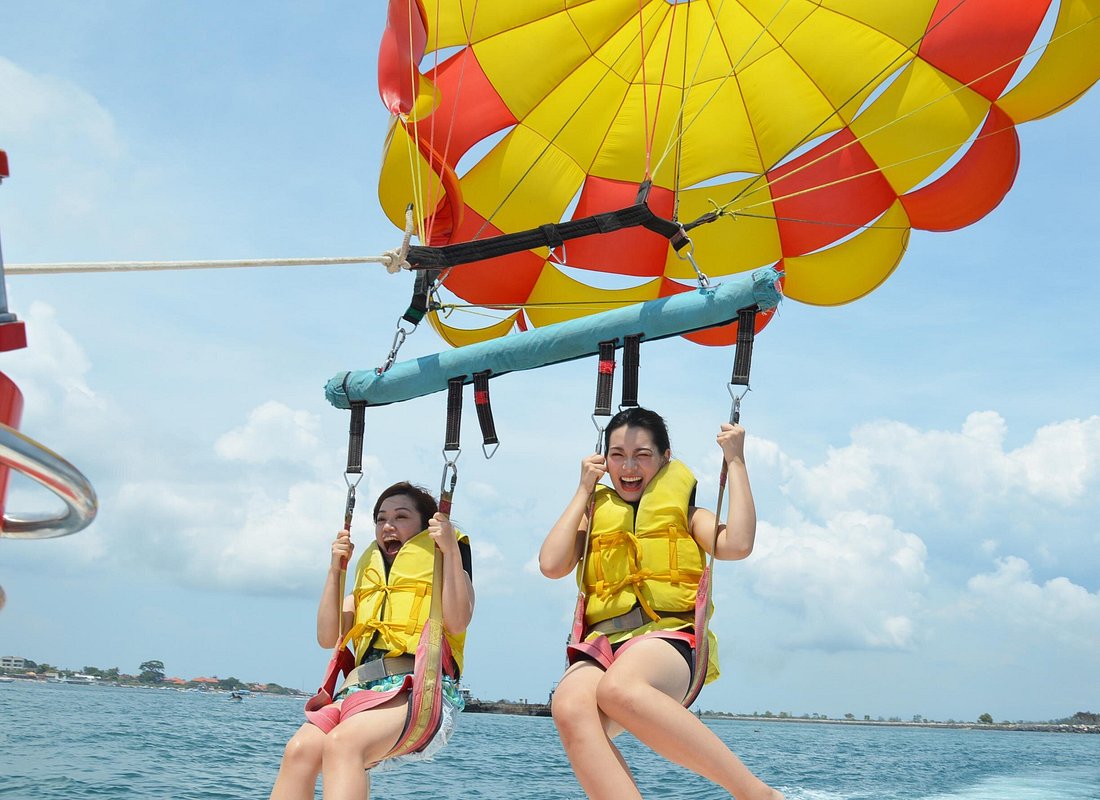
Many families stay on to try more, paying locally. Older children and teenagers often head straight for parasailing, rising high above the lagoon on a parachute towed by a boat, with views over the reef and the resort gardens of Nusa Dua. Others try the jet ski with an instructor, the flying fish, which lifts into the air at speed, or the sea walker, which lets you stroll along the sea bed in a helmet supplied with air. Snorkelling trips over the reef are a calmer choice.

Younger children often enjoy the glass-bottom boat to Turtle Island most of all. As you cross the lagoon, fish dart beneath the glass floor, and on the island itself, a small centre cares for sea turtles of all sizes, from palm-sized hatchlings to old turtles with shells as wide as a table. There are usually a few other animals too, such as birds and iguanas.

A few practical points make the morning easier. The sea is calmest early in the day, before the wind picks up. Prices are per activity, and a combination of two or three activities usually costs less, so ask our team for current rates before you go. Some rides have age, height or weight limits, so let us know the ages of any children in advance. Pack swimwear, towels, sun cream, hats, a change of clothes and a waterproof pouch for phones, and keep drinking water.

On the way back, ask your driver to stop for a stroll along the beachfront promenade at Nusa Dua. The resorts here are set in wide tropical gardens, and the paved path runs along the shore past small temples and quiet coves. At the far end, at Waterblow, ocean swells crash into a narrow gap in the limestone and burst upwards in clouds of spray, a thrilling sight when the tide is high.

The afternoon is free. This is a good moment to rest, as the next few days are busier. Lie by the pool, take a nap, or book a Balinese massage nearby. If the children still have energy, Waterbom Bali, a large water park in the middle of Kuta set among tropical gardens, has slides for every age and a long lazy river, at extra cost. Kuta Beach is also a fine place for a first surf lesson, with soft boards and patient instructors.

Starting the week this way has a purpose. After the journey from India, a short, light-hearted outing lets everyone adjust to the heat and the time difference, and it leaves plenty of energy for the longer sightseeing days that follow.

Remember to reapply sun cream after every swim, as the sun close to the equator burns quickly, even through cloud.

In the evening, consider driving 20 minutes south to Jimbaran Bay, where seafood restaurants place their tables right on the sand. You pick your fish, prawns or squid from the display, it is grilled over smouldering coconut husks, and you eat with the sound of the waves and the last colours of the sunset over the bay. Vegetarians will find corn, rice, vegetables and tofu dishes on the menus too.

Included today: half-day Tanjung Benoa beach tour with banana boat ride on a private basis, breakfast.

Good to know: other water sports, Turtle Island and Waterbom are optional and paid locally. Water sports are not advised in pregnancy or for anyone with back, neck or heart conditions. Read our guide to Bali water sports and activities.

Day 3
Tanah Lot Temple and Uluwatu Sunset Tour

Tanah Lot Temple and Uluwatu Sunset Tour

⌖ Kuta

Today brings Bali's coast at its most dramatic, with two of its most sacred temples, and it is also the day when many Indian visitors feel a sudden sense of familiarity. After breakfast, your private car and driver collect you. Wear light clothes that cover the shoulders and knees, as both places are holy, and carry hats, sun cream and water.

Before you arrive, it helps to know a little about how a Balinese temple works. Unlike a single building, a pura is a series of open courtyards surrounded by walls. You enter through a candi bentar, a tall stone gateway split cleanly down the middle, as if a single tower had been cut in two, representing the passage between the outer world and the sacred one. Inside, shrines stand in the open air, and the most important are the meru, slender towers with odd numbers of stacked thatched roofs, up to eleven, symbolising Mount Meru, the holy mountain at the centre of the universe in Hindu belief.

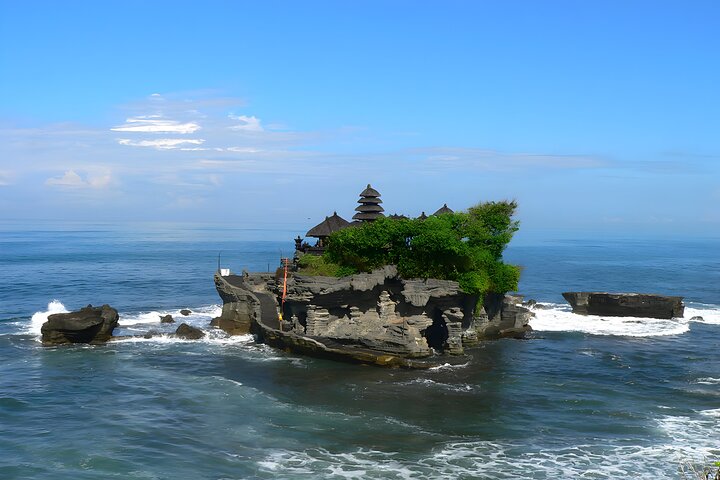
Tanah Lot, about 45 minutes to an hour from Kuta, is the first stop. Its shrines crown a large rock just off the shore, and when the tide rises, the sea surrounds it completely, so the temple seems to rise straight out of the waves. It was founded in the 16th century by Dang Hyang Nirartha, a priest from Java who did much to shape Balinese Hinduism, and it belongs to a ring of sea temples built along the coast to guard the island.

When the tide is out, you can walk across to the base of the rock, where a spring of fresh water rises from beneath the temple even though the sea is all around. Priests offer a blessing with this water, sprinkling it over your hands and head and pressing a few grains of rice to your forehead. The inner courtyards are reserved for worshippers, but the views from the shore and the clifftops are superb, and the little temple of Batu Bolong, on a natural rock arch further along the coast, is well worth the short walk.

From Tanah Lot, the road runs south past the airport and up onto the Bukit, the limestone plateau at the tip of the island, with a stop for lunch on the way at your own cost. Uluwatu Temple stands on the very edge of a cliff around 70 metres above the Indian Ocean. It is counted among the six great temples that protect Bali, and tradition holds that Nirartha ended his earthly life here, attaining moksha, spiritual liberation. Paths run along the cliff on both sides of the temple, and the view of the ocean, the surf far below and the shrines silhouetted against the sky is unforgettable. Sarongs are lent at the entrance.

Keep sunglasses, hats and phones well out of reach. The temple's monkeys are skilled thieves and often bargain their loot back for fruit.

As the sun lowers, many visitors take their seats in the clifftop amphitheatre for the Kecak dance, at extra cost. Here, the link with India becomes vivid. The performance tells the story of the Ramayana: Rama, Sita and Lakshmana in the forest, the golden deer, Sita's abduction by Ravana, and her rescue with the help of Hanuman and the monkey army. A large circle of men chant "cak-cak-cak" as the monkey army, in layered, hypnotic rhythms, with no instruments at all, while dancers in rich costumes play the main characters. As the sun sinks into the ocean behind the stage, Hanuman leaps through a ring of burning coconut husks.

Indian visitors are often surprised by how deeply the epics live on in Bali. The Ramayana and Mahabharata are told in shadow puppet plays, carved on temple walls and danced at festivals, and children here grow up knowing Arjuna, Bhima and Hanuman as well as children in India do. The details sometimes differ, which makes for lively conversations with your driver on the way home.

Temple etiquette is simple but important. Tie a sash or sarong at the waist, do not climb on shrines or walls, and never stand higher than a priest or point your feet towards a shrine. If a ceremony is taking place, watch quietly from the side, and ask before photographing worshippers.

Bring a little cash for parking, temple donations and drinks at the clifftop cafés.

After the dance, the drive back to Kuta takes about 40 minutes, or you can stop for a late seafood dinner at Jimbaran.

Included today: full-day Tanah Lot and Uluwatu temple tour on a private basis, breakfast.

Good to know: cover shoulders and knees at both temples. Entry tickets, the Kecak dance, lunch and dinner are not included. Hold on to loose items near the monkeys. Read our Bali temples guide.

Day 4
Kuta to Ubud

Kuta to Ubud

⌖ Ubud

After three nights by the sea, it is time to head for the hills. Enjoy an unhurried breakfast and a last swim, then check out; checkout is usually at 11 AM or noon. Your private car takes you north to Ubud, a drive of about one and a half hours, as the busy towns of the south give way to villages and terraced fields climbing gently into the interior.

This is the moment the trip changes character. Having rested and played on the coast, you now spend two nights in the place most visitors remember as the soul of Bali. Ubud sits among river gorges and rice terraces in the centre of the island, and for centuries it was known for its healers; its name comes from the Balinese word for medicine. Its fame as a centre of the arts grew in the 1920s and 1930s, when foreign painters such as Walter Spies came to live here, working alongside local artists and encouraging new styles of painting that showed village life, rice harvests and temple festivals. Ubud's royal family supported the arts, and the town has been a magnet for painters, musicians, dancers and writers ever since.

On the way, your driver can make a short stop or two if you wish. Sukawati, about halfway, has a huge, bustling art market where paintings, kites, carvings, sarongs and baskets are sold at very low prices, and bargaining is part of the fun. Closer to Ubud, the old temple at Batuan has fine carved stone gates, and the village is known for its intricate style of painting, crowded with tiny figures.

Ubud's museums are a good way to understand what you see in the galleries. Puri Lukisan, close to the palace and set in peaceful gardens, was the island's first art museum, and it traces the different schools of Balinese painting and carving, from traditional wayang-style scenes to the lively village paintings of the 1930s and beyond.

Check in to your hotel and take some time to enjoy it. Ubud's hotels are often set on the edge of a valley or among the rice fields, with open-sided pavilions, pools that seem to spill into the jungle and the sound of the river below. The air is a little cooler and fresher than on the coast.

In the afternoon, walk to the Sacred Monkey Forest Sanctuary at the southern end of town. More than a thousand long-tailed macaques live here among moss-covered temples and enormous banyan trees whose roots hang down like curtains. It is a magical place, especially for children, but remember that the monkeys are wild. Keep food out of sight, hold on to bags and sunglasses, and do not touch or feed them.

From the forest, Monkey Forest Road leads up past galleries, cafés and boutiques to the centre of town. Here, Pura Taman Saraswati, the temple dedicated to the goddess of learning and the arts, sits behind a wide pond filled with pink and white lotus flowers, approached along a stone path across the water. Next to it, the Ubud Palace, home of the royal family, has elaborately carved gateways guarded by stone figures.

As evening falls, Ubud offers one of the best reasons to stay here: traditional dance. Performances are held most nights at the palace and at temples around town, with the shimmering music of the gamelan, an orchestra of bronze gongs and metallophones. The Legong, danced by young women in tight gold brocade, is all delicate hand and eye movements, while the Barong, a dance-drama featuring a lion-like protector and the witch Rangda, tells of the eternal struggle between good and evil. Tickets are sold during the day at the entrance or by sellers in the street.

If you are travelling with older children, ask at the palace about the dance programme for the week, and choose a performance with a clear story, such as the Barong or the Ramayana ballet, which young viewers usually follow easily.

If you have time before dinner, the Campuhan Ridge Walk, a paved path that follows a grassy ridge between two rivers, is lovely in the golden light of late afternoon, and it begins close to the centre of town.

Ubud has a remarkable choice of restaurants, from family-run warungs to elegant dining rooms overlooking the valleys, and it is one of the best places in Bali for vegetarian and vegan food. Try bebek goreng, crisp fried duck, or a plate of nasi campur, rice with small portions of vegetables, tempeh and sambal.

Ubud is quiet after dark, and most restaurants close by about 10 PM, so it is an easy place to settle in early.

Included today: private transfer from Kuta to your hotel in Ubud, hotel stay, breakfast.

Good to know: optional stops depend on time and traffic. Dance tickets, the Monkey Forest entry and market shopping are at extra cost. Read our Ubud guide.

Day 5
Kintamani Volcano Tour with Ubud Village

Kintamani Volcano Tour with Ubud Village

⌖ Ubud

One of the advantages of staying in Ubud is that the volcano at Kintamani is much closer than from the coast, so today's tour has more time for stops and less time in the car. After breakfast, your private car and driver collect you for a full day through the craft villages and highlands of central Bali.

The first part of the day visits the villages around Ubud, where Bali's crafts have been handed down within families for generations. Each village has its speciality. Stone carvers shape soft volcanic stone into guardians and gods for temple gates. In the workshops of the batik makers, designs are drawn on cloth in hot wax and the fabric is dyed again and again, building up layers of colour. Silversmiths in Celuk work at low benches with tiny tools, and the woodcarvers of Mas coax dancers, animals and deities from blocks of timber. You are welcome to watch and ask questions, with no obligation to buy.

Look out along the way for the bamboo poles called penjor that curve over the village streets, decorated with woven palm leaves, rice and flowers. They are raised for Galungan, a festival held every 210 days in the Balinese calendar, when the spirits of ancestors are believed to return home, and they make the villages look especially festive.

From the villages, the road climbs north. Along the way, it passes through one of the most remarkable farming landscapes in Asia. For more than a thousand years, Balinese rice farmers have shared water through the subak, a cooperative system of canals, tunnels and weirs that carries water from the mountains and lakes down through the terraces. Each subak is managed by its members, who meet to decide when to plant and how to share the water, and its decisions are guided by water temples. In 2012, UNESCO recognised the subak and its temples as a World Heritage cultural landscape, a rare honour for a living farming system.

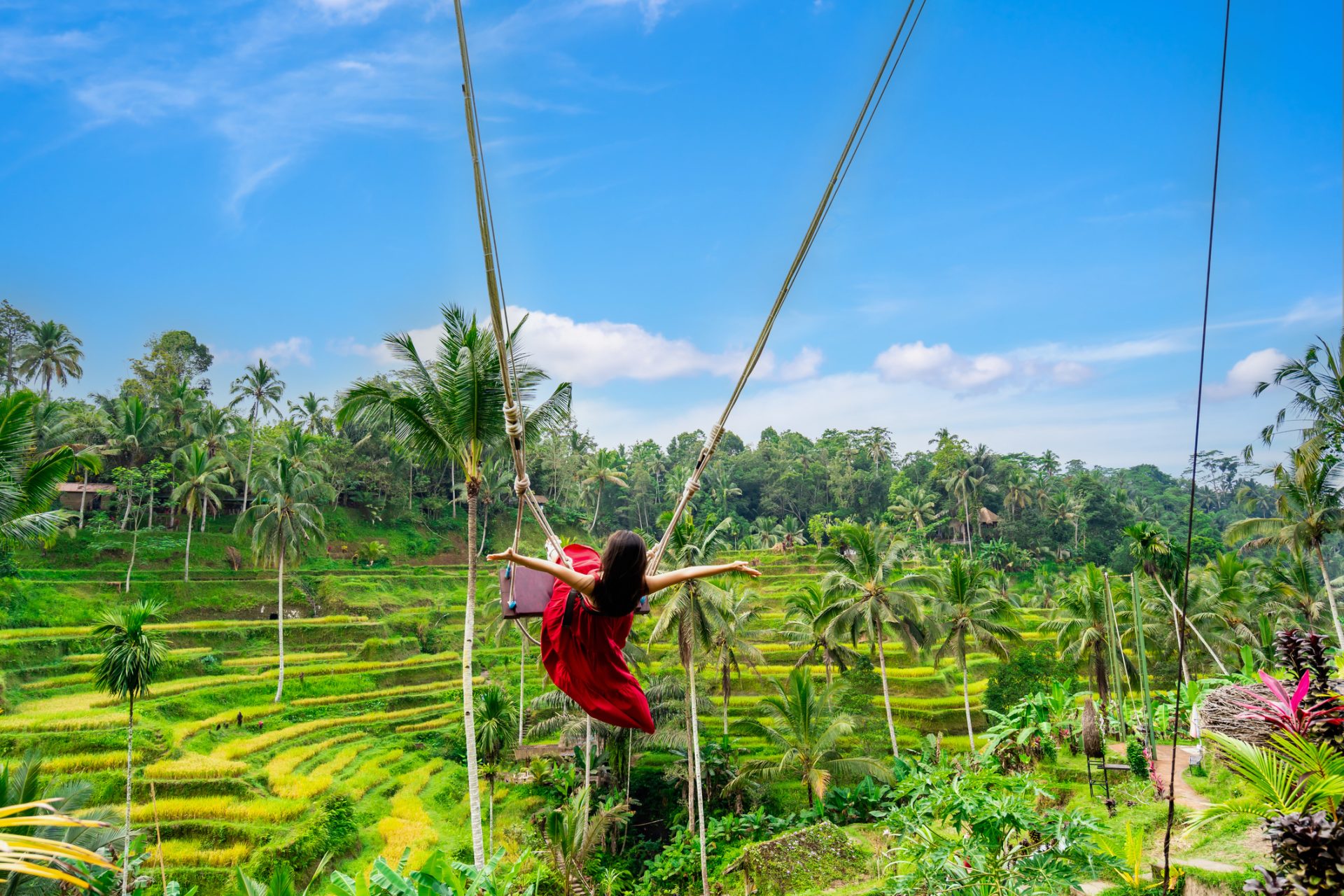
If you would like to see it up close, there are some optional stops on the route, depending on time. The Tegalalang rice terraces, north of Ubud, form a steep green amphitheatre of curving steps, with paths running down into the valley. Tirta Empul, a water temple founded more than a thousand years ago, has long stone pools where Balinese Hindus bathe beneath carved spouts of holy spring water to purify themselves; visitors may join in, wearing a sarong. Gunung Kawi, near Tampaksiring, is a striking ancient site where ten great shrines were carved into the cliffs of a river gorge in the 11th century, reached by a long flight of steps through the rice fields.

Your driver will be happy to adjust the order of the stops to avoid crowds, for example by visiting the rice terraces early before the coach groups arrive.

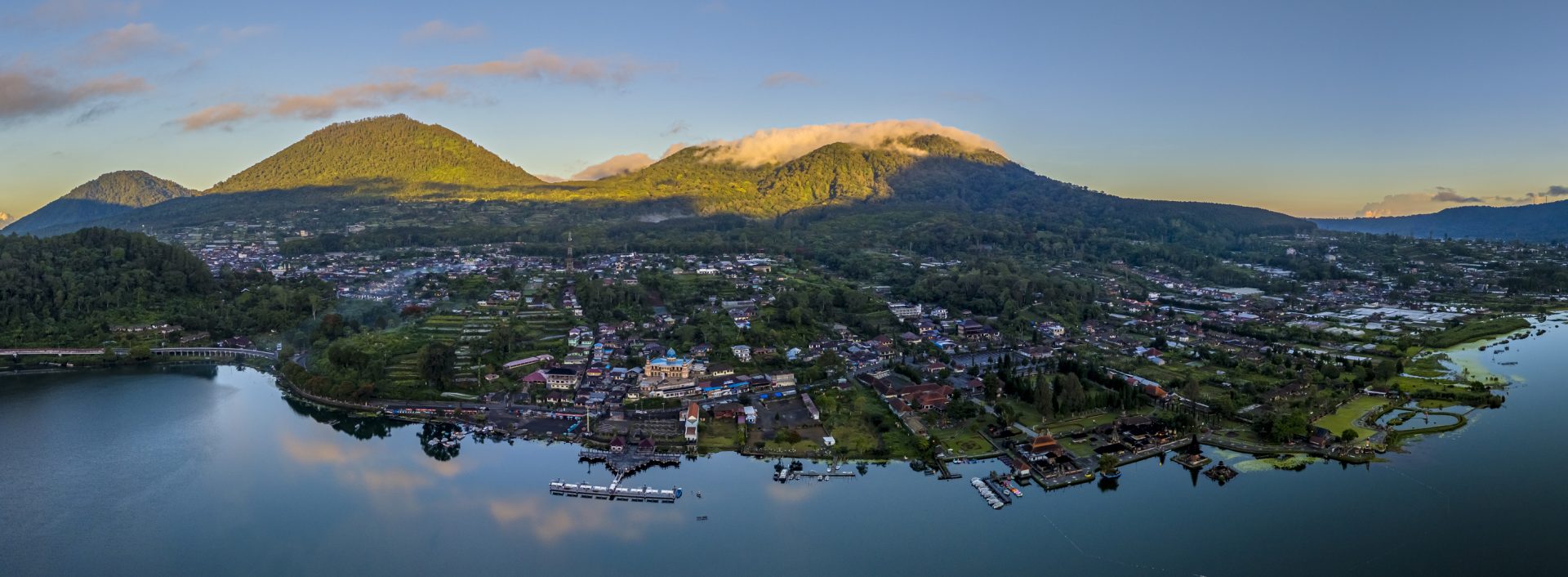
Higher up, the air cools and the farms change to coffee bushes, orange groves and vegetable plots. At about 1,500 metres, you reach the rim of a huge caldera. In its centre stands Mount Batur, an active volcano, its flanks dark with lava from 20th-century eruptions, and beside it curves Lake Batur, the largest lake on the island and one of the sources that feeds the subak. The goddess of the lake is honoured at Pura Ulun Danu Batur, a great temple near the rim, rebuilt here after the old temple was buried by an eruption in 1926. On a clear morning, the peak of Mount Agung rises beyond.

Restaurants along the caldera rim serve buffet lunches with views over the volcano and the lake, at your own cost. Mornings are usually clearer than afternoons, and it can feel chilly at this height, so bring a light jacket or shawl.

On the way back, you stop at a coffee plantation to see coffee, cocoa, vanilla and spices growing, and to taste a selection of local coffees and teas. You will be offered kopi luwak, made from coffee beans eaten by civets, but much of it comes from caged animals, so we suggest you enjoy the other coffees instead.

For those who enjoy an early start, the Mount Batur sunrise trek can be added on another day, at extra cost. Walkers set off in darkness at about 2 or 3 AM with a local guide and reach the crater rim at dawn, with views of the sun rising over Mount Agung.

You return to Ubud in the late afternoon. Spend your second evening with a massage, a stroll through the lanes of the town or a quiet dinner overlooking the rice fields.

Included today: full-day Kintamani volcano tour with Ubud village visits on a private basis, breakfast.

Good to know: bring a light jacket, comfortable shoes and some cash. Lunch, entry to optional sites and the sunrise trek are not included. Read our Mount Batur and Kintamani guide.

Day 6
Ubud to Seminyak

Ubud to Seminyak

⌖ Seminyak

Your last morning in the hills is worth getting up for. Ubud wakes early, and the hour after dawn is the best time of the day: cool, misty and quiet, with farmers walking out to their fields and the scent of incense drifting from the shrines. If you are an early riser, walk through the rice fields close to your hotel, or along one of the paths that lead out of town into the countryside, where you will see ducks paddling in the flooded paddies and egrets stalking the shallows.

If you love photography, the rice fields around Ubud are at their most beautiful in the hour after sunrise, when the mist lies low over the terraces and the light is soft. Bring a lens cloth, as condensation can form on cameras in the cool, damp morning air.

The Ubud morning market, near the palace, is busiest at this hour. Local families come to buy fruit, vegetables, spices, flowers and the woven palm-leaf trays used for daily offerings, and it is a fascinating glimpse of everyday Balinese life. Later in the morning, the market changes, and souvenir stalls selling sarongs, baskets, carvings and paintings take over, where bargaining is expected.

After breakfast, there may be time for one more experience before you leave, depending on your interests. Some visitors book a swing over the jungle, one of the giant swings set on the edge of the valleys around Ubud, with nests and platforms for photographs, at extra cost. Others prefer a yoga class in an open pavilion, a cooking class, or simply a last walk to a café with a view of the terraces.

Checkout is usually at 11 AM or noon. Your private car then takes you back down towards the coast, to Seminyak, a drive of about one and a half hours. It is the final change of scene on your circle around Bali, and it brings you back to the sea, but to a very different part of the coast from Kuta.

The drive to Seminyak is easy, and your driver can stop on the way if you would like a final look at a craft village or a coffee break with a view. Traffic towards the coast is usually lighter in the late morning than in the afternoon.

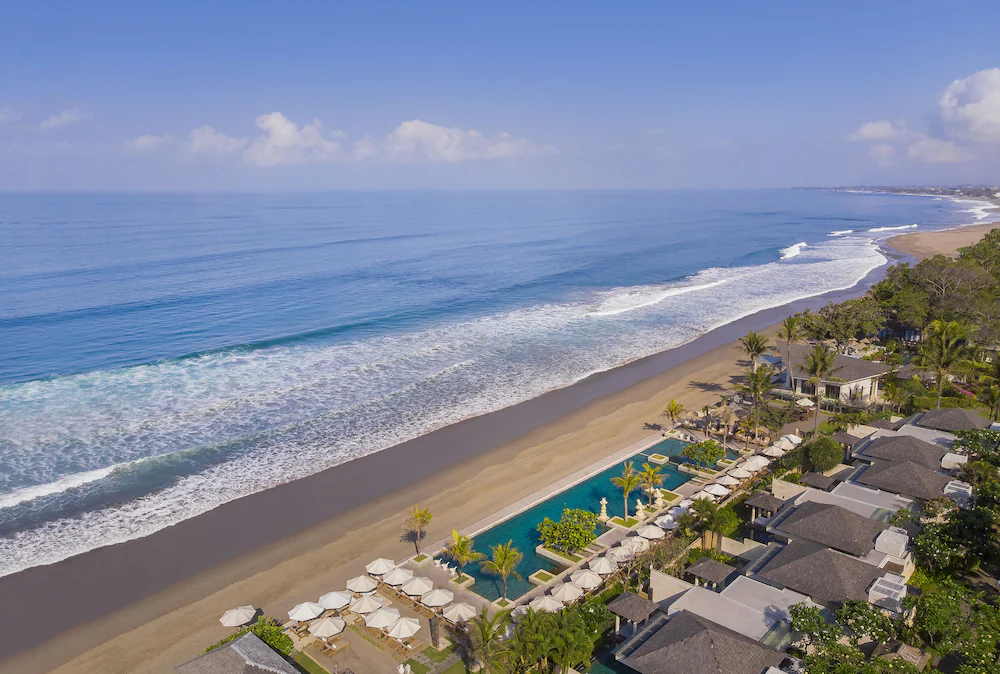
Seminyak lies just north of Kuta and Legian, but it has a more relaxed and polished atmosphere. Only a few decades ago, it was a quiet area of villages and rice fields, and today it is known for boutique hotels and villas, designer shops, art galleries, beach clubs and some of the finest restaurants in Indonesia. The streets are calmer than in Kuta, and the long beach feels less crowded.

Check in to your hotel and spend the afternoon as you like. The shopping streets of Jalan Kayu Aya, often called Eat Street, Jalan Laksmana and Jalan Petitenget are lined with boutiques selling linen clothes, swimwear, jewellery, leather goods and homeware, and it is easy to spend an hour or two browsing. Prices in the boutiques are fixed, but bargaining is still normal at markets and street stalls.

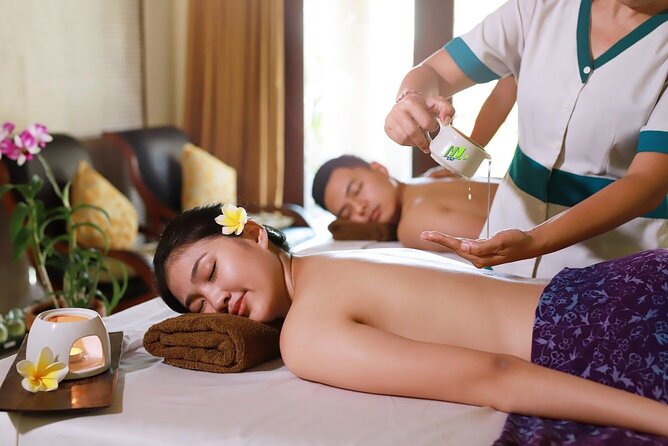
Seminyak is also a fine place to rest your legs after the hills. Its spas offer everything from a simple Balinese massage to body scrubs made with coffee, coconut or local spices, and a reflexology session is a treat after several days of walking.

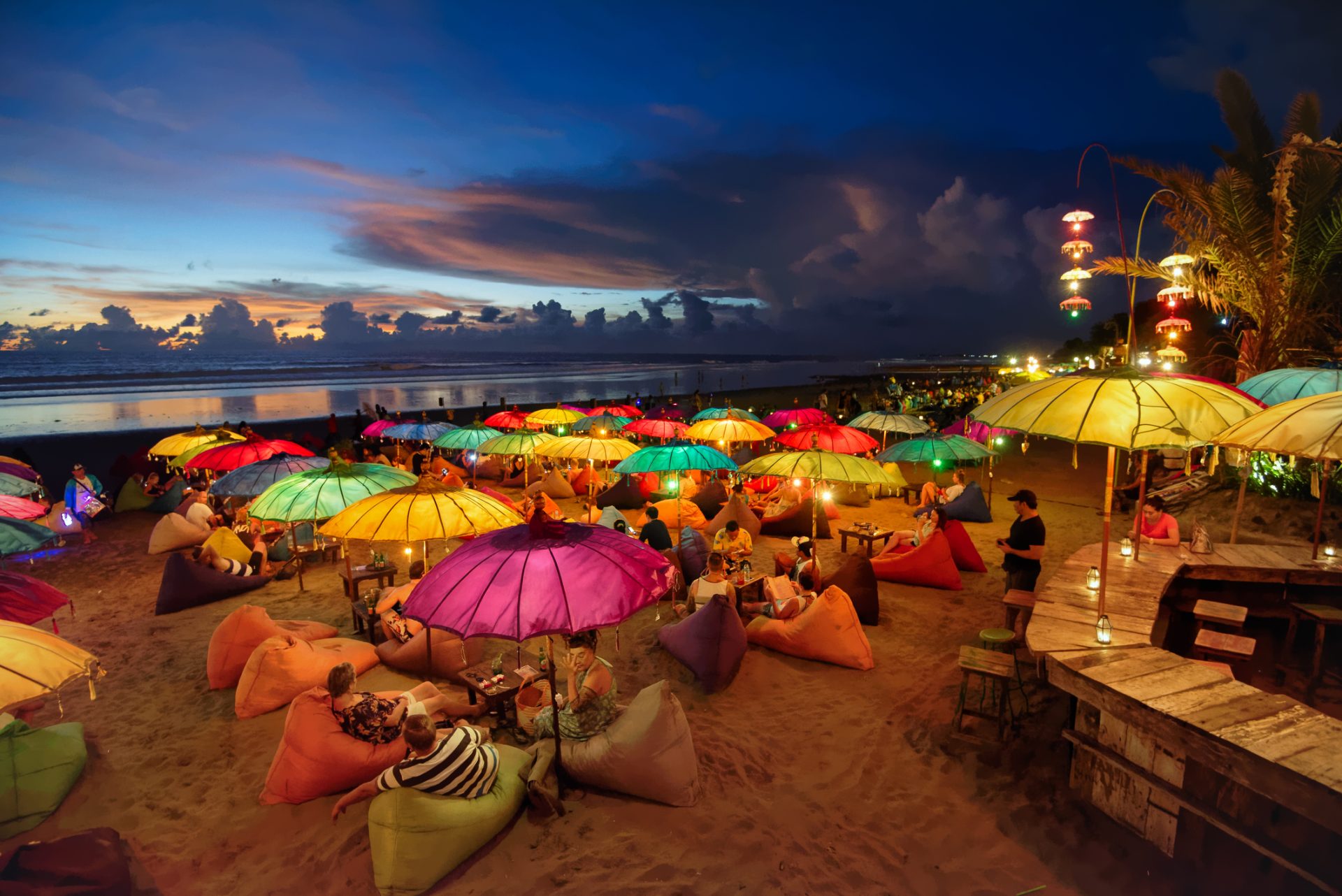
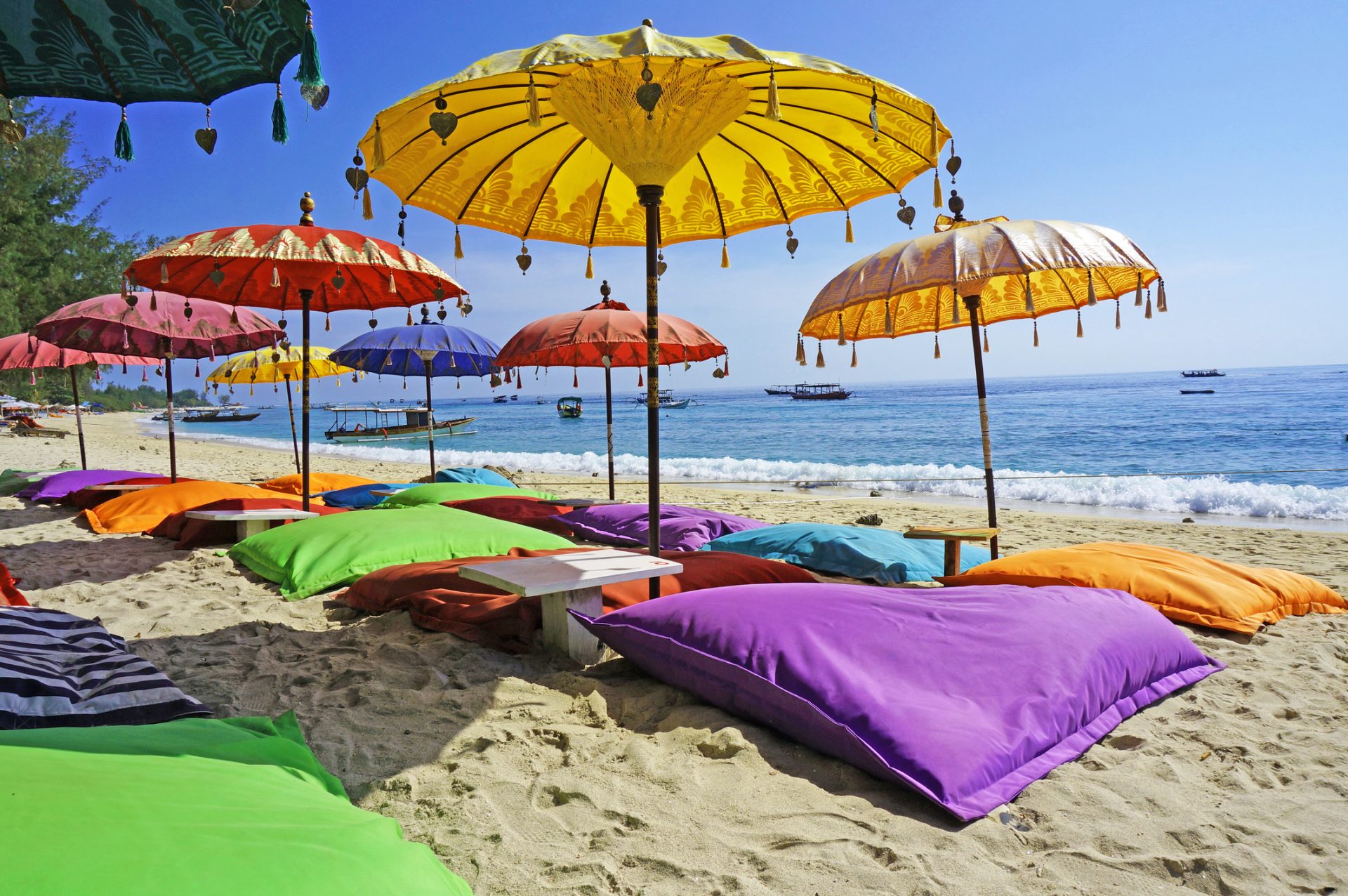
As the afternoon draws on, walk to the beach. Seminyak's sunsets are famous, and the whole coast seems to gather to watch them. Some people sit on colourful beanbags at the simple beach bars, others book a daybed at one of the large beach clubs, with infinity pools facing the ocean, music and food and drinks. Each club has its own rules on entry, minimum spending and children, so it is worth checking in advance. The sea here has strong currents, so swim only between the flags.

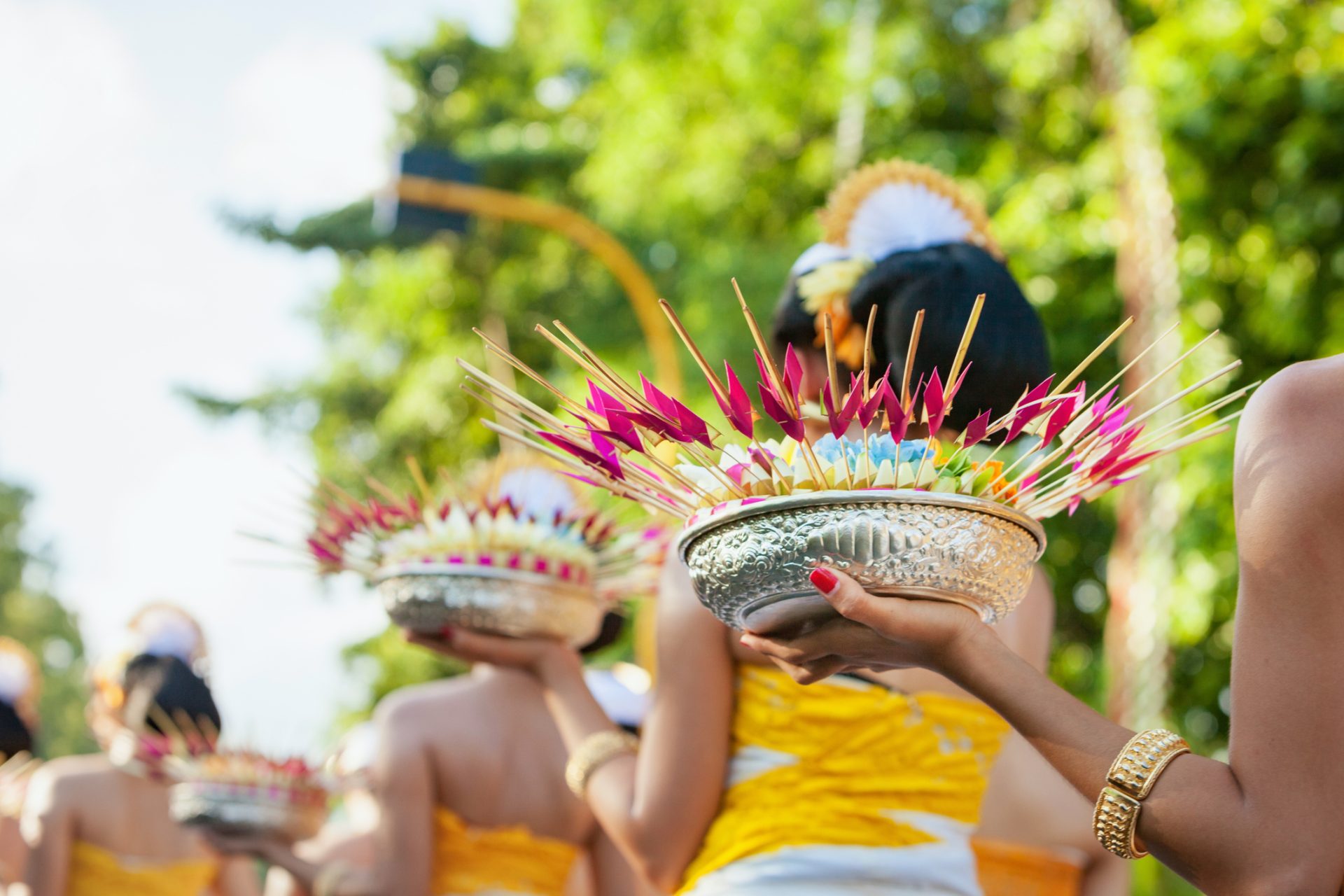
Near the beach, Pura Petitenget is one of the old sea temples built along this coast, and you may see a ceremony here in the evening, with women carrying tall towers of fruit and flowers on their heads and gamelan music in the air.

Seminyak is the perfect place for a special dinner. Its restaurants cover every cuisine imaginable, from Balinese and Indonesian to Italian, Japanese and Middle Eastern, and there are several Indian restaurants and many places with excellent vegetarian menus.

Tonight is a good moment to pack a day bag for Nusa Penida.

Get to bed in good time: tomorrow's boat to Nusa Penida leaves early.

Included today: private transfer from Ubud to your hotel in Seminyak, hotel stay, breakfast.

Good to know: jungle swings, yoga and cooking classes, beach clubs and spa treatments are optional, at extra cost. Swim only between the flags. Compare the beach areas in our guide to where to stay in Bali.

Day 7
Nusa Penida West Island Tour with Local Lunch

Nusa Penida West Island Tour with Local Lunch

⌖ Seminyak

The last full day of the trip saves one of the biggest experiences until the end: a voyage to Nusa Penida, a rugged island south-east of Bali where the land ends in towering white cliffs above water of an almost unreal blue. The tour is shared with other guests and includes a local lunch.

A packed bag makes the day easier. Bring swimwear under your clothes, a towel, a hat, sun cream, sunglasses, a dry change of clothes and a plastic bag for wet things, plus enough water for the day and a little cash for toilets, parking and drinks at the viewpoints.

You are picked up early from your hotel in Seminyak for the drive to Sanur, on Bali's east coast, about 30 to 45 minutes away depending on traffic. From the beach at Sanur, a fast boat crosses the strait to Nusa Penida in around 40 minutes to an hour. The sea can be lively, so take a seasickness tablet before boarding if you need one, and sit towards the back, where the motion is gentler. Boats often load and land on the beach, so wear sandals and expect to step into shallow water.

Nusa Penida is much larger and wilder than it looks from Bali. Its hills are dry and steep, its villages small and its roads narrow and winding. For a long time, Balinese rulers sent exiles here, and the island is still associated with powerful spirits; Pura Dalem Ped, on its north coast, is an important pilgrimage temple where Balinese Hindus pray for protection. Today, many island families make a living from seaweed farming, and you may see rows of seaweed drying in the sun along the coast.

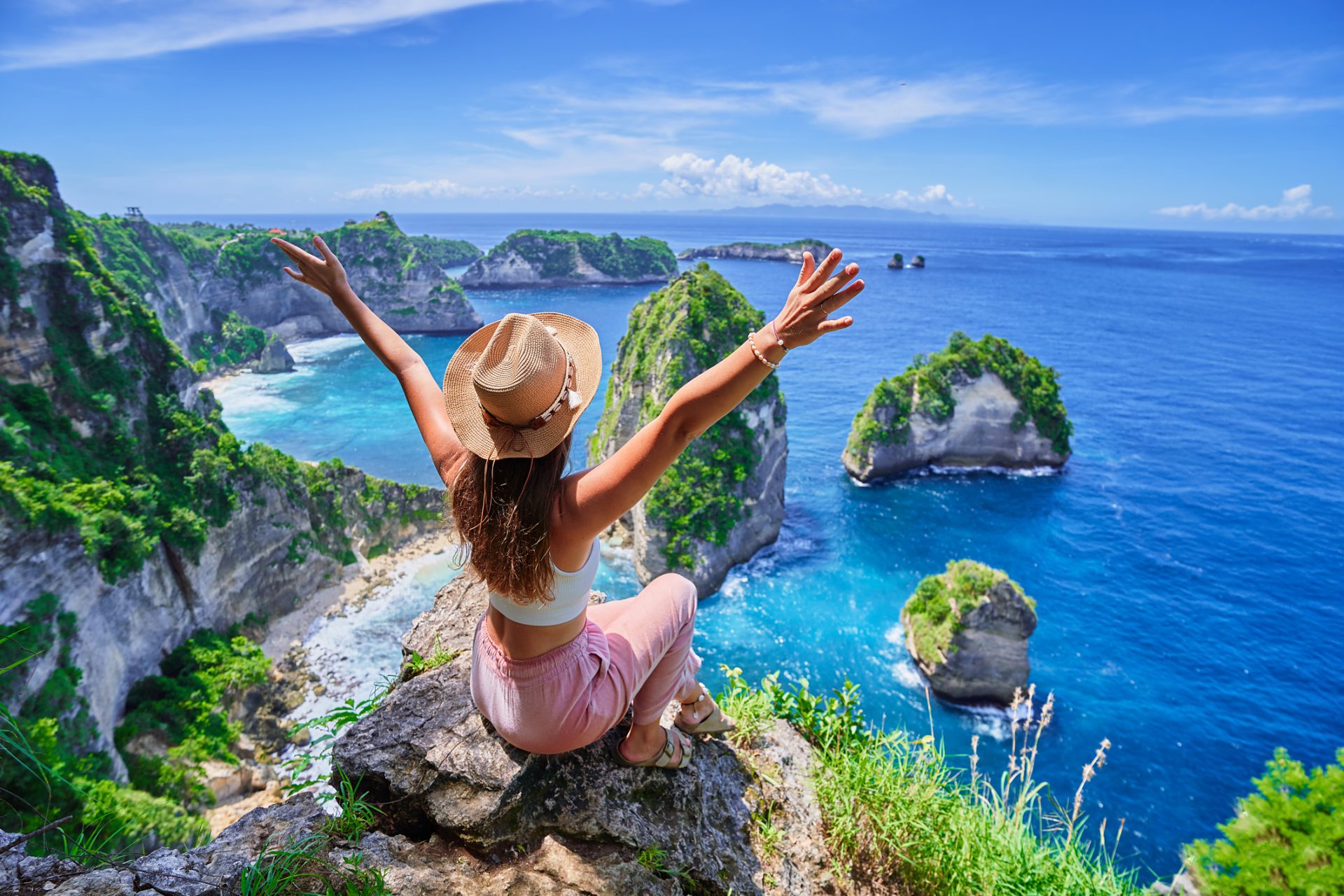
On the island, a local driver takes you between the sights, as the roads are rough in places. The first is usually Kelingking Beach, where a narrow ridge of rock juts into the sea in the shape of a dinosaur's head, above a perfect crescent of white sand. It is one of the most photographed views in Indonesia. The path down to the beach is steep and difficult, so most visitors enjoy the view from the top.

At Broken Beach, also called Pasih Uug, the ocean has punched a huge round arch through the cliff, so that waves flow into a hidden bay ringed by rock. A path circles the clifftop with views from every angle. Close by, Angel's Billabong is a natural pool in the rocks at the cliff's edge, filled with clear water that looks like an infinity pool above the ocean. It is beautiful, but waves can sweep over the rocks without warning at high tide or in rough seas, so swim only if your guide says it is safe, and keep well back from the edge.

That warning applies to the whole island. Many viewpoints have few barriers, the drops are high, and the ground can be loose. Keep children close, do not climb fences for photographs and follow your guide's advice.

After lunch, the tour ends at Crystal Bay, a sheltered bay of white sand and clear water with palm trees and a small temple on the rocks. It is a lovely place to swim, snorkel or simply rest in the shade after the morning's sightseeing. In the right season, roughly July to October, divers sometimes see the giant ocean sunfish here, and manta rays live along the island's southern coast.

The local lunch is usually served at a simple restaurant on the island, with rice, vegetables, chicken or fish and fresh fruit, and vegetarian options are available. Let us know in advance about any dietary needs.

If your group includes young children or anyone who finds rough roads and steps difficult, ask us about alternatives, such as a calmer snorkelling day around Nusa Lembongan, which we can quote for you.

Nusa Penida is also part of a small group of islands with Nusa Lembongan and Nusa Ceningan, linked by a yellow suspension bridge, and many travellers come back to spend a night or two there on a later trip. The waters around them are protected as a marine area, rich in coral, turtles and manta rays.

In the late afternoon, the boat brings you back to Sanur, and your driver takes you back to Seminyak. It is a long, full day, and many guests say it is the one they remember most.

Your last evening in Bali deserves a relaxed dinner. Choose a restaurant near your hotel, or watch the sun go down one final time from the beach.

Included today: full-day Nusa Penida west island tour with return fast boat, island transport and local lunch (shared), transfers, breakfast.

Good to know: wear comfortable shoes, a hat and sun cream, and bring swimwear, a towel and water. The tour depends on sea conditions and may be rescheduled. Island entry fees may be extra. Read our Nusa Penida guide.

Day 8
Departure from Bali

Departure from Bali

⌖ Bali

The circle is complete. In seven nights, you have rested on the beach in Kuta, laughed on the water at Tanjung Benoa, watched the Ramayana danced on a clifftop at Uluwatu, wandered among the temples and monkeys of Ubud, stood above the volcano at Kintamani, watched the sun set over Seminyak and gazed down at the cliffs of Nusa Penida. Few visitors manage to see so much of Bali in a single trip.

Make the most of your final morning. Walk down to Seminyak Beach early, when it is quiet and freshly raked, with only a few surfers paddling out. Take a last swim in the pool, then enjoy a long breakfast with tropical fruits such as papaya, mangosteen and dragon fruit, fresh juices and Balinese coffee.

If you have an early flight, ask the hotel the evening before for a breakfast box, which most are happy to prepare, and settle your bill the night before.

Checkout is usually at 11 AM or noon. If your flight leaves later in the day, the hotel will keep your luggage, and you can spend a few more hours by the pool, at a café or in the shops of Seminyak. Late checkout is sometimes available, subject to availability and usually at extra cost.

This is also your last chance to buy gifts. Good choices include Balinese coffee, vanilla and spices, handmade soaps and essential oils, batik and ikat cloth, silver jewellery, carved masks and figures, rattan bags and the colourful kites that children love. Keep receipts for anything expensive, as Indian customs has limits on duty-free goods and jewellery when you return.

Before leaving your room, check it carefully: the safe, the bathroom, the wardrobe and under the beds. Passports, phones, chargers and swimwear are the things most often left behind. Put oils, perfumes and other liquids in your checked baggage, keep passports, tickets and valuables in your hand luggage, and make sure any wooden souvenirs are clean and free of bark.

If you have a few spare hours, a final massage at a spa near Seminyak or the airport is a lovely way to end the trip, and many spas have showers so you can freshen up before the journey.

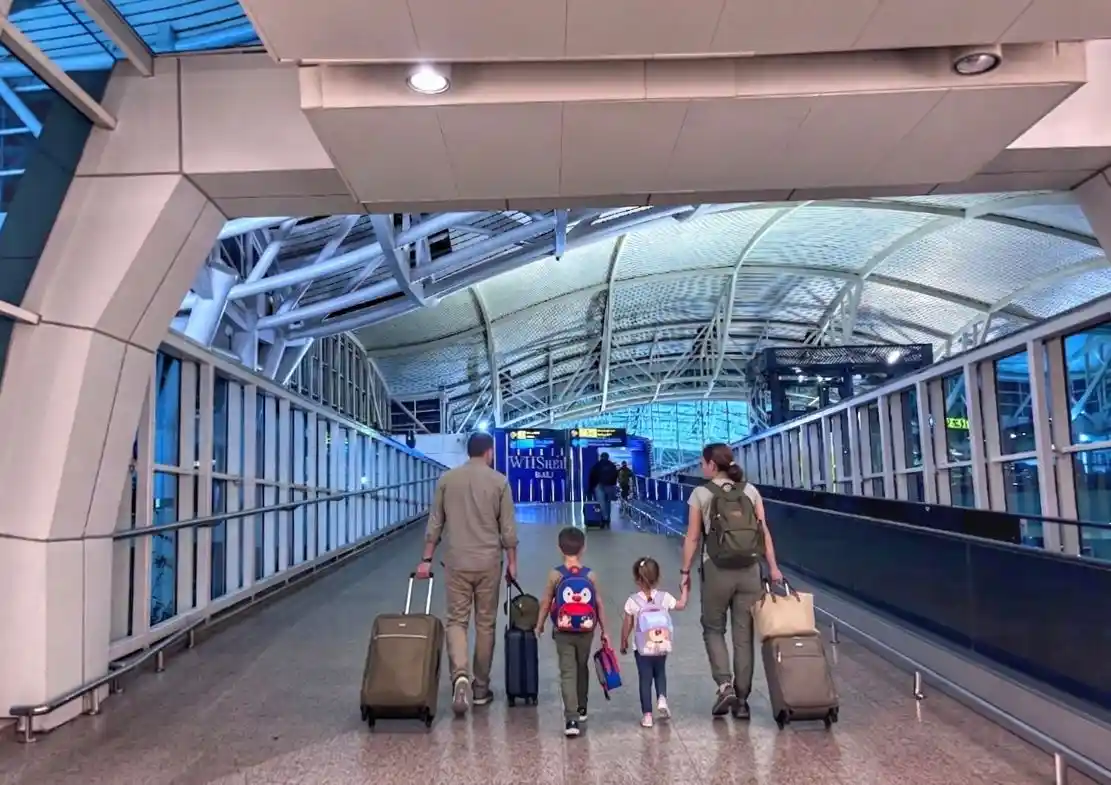
At the agreed time, your private driver collects you for the transfer to Ngurah Rai International Airport. From Seminyak, the drive usually takes 30 to 45 minutes, but traffic in the south of Bali can be heavy, especially in the afternoon and during holiday periods, so allow extra time. Plan to reach the airport at least three hours before your international flight.

The international terminal has restaurants, cafés, duty-free shops, lounges and free Wi-Fi. Leftover rupiah can be changed at the airport, or kept for your next visit. Security and immigration queues can be long in July, August, December and January, so do not leave it too late.

Families with children will find the airport easy to manage, with family toilets, baby-changing rooms and a play area in the departure lounge.

Keep your phone charged for your boarding pass and messages home, and if your flight connects through Singapore, Kuala Lumpur or Bangkok, check the connection time and terminal so you are not rushed.

As your plane lifts off over the sea, you may see the long beaches of the south coast, the cliffs of the Bukit and, if the sky is clear, the volcanoes rising above the clouds. Many travellers find that a first visit to Bali is only the beginning. On another trip, you might spend a night on the Gili Islands, explore the quiet north and east of the island, or add Singapore or Malaysia on the way home.

Bali has two seasons, and both reward a return visit. The dry months, from April to October, bring sunshine, calm seas for the island crossings and cool evenings in Ubud, while the green season, from November to March, brings short tropical showers, lush rice fields and fewer crowds outside the Christmas holidays.

Before you go, thank your driver and the hotel staff. Tipping is not compulsory, but a small amount for good service is always appreciated by the warm and gracious Balinese people.

Once you are home, choose a few favourite photos from each part of the circle, the beach, the temples, the rice fields and the cliffs, and print them together; they tell the story of the whole island.

Thank you for travelling with Dreamland Vacations. Our team will stay in touch until you are safely home, and we would love to hear which part of the circle you enjoyed most. If you enjoyed your trip, a short review on Google means a great deal to our team.

Included today: private departure transfer to Ngurah Rai International Airport, breakfast.

Good to know: choose a flight that leaves at least 3 hours after you reach the airport. Late checkout is subject to availability and may cost extra. Plan your next visit with our guide to the best time to visit Bali and the Bali trip cost from India.

Hotel confirmation

Hotel names will be provided after booking, subject to availability and confirmation. We do not hold hotel confirmations before booking.

Inclusions

  1. Meet and greet assistance at Bali airport.
  2. 7 nights accommodation with breakfast.
  3. Airport and inter-hotel transfers on private basis.
  4. Half-day Benoa Beach Tour including Banana Boat on private basis.
  5. Full-day Tanah Lot Temple and Uluwatu Temple tour on private basis.
  6. Full-day Kintamani Volcano Tour with Ubud Village on private basis.
  7. Full-day Nusa Penida West Island Tour with local lunch on SIC basis.
  8. Indonesia VAT and applicable local taxes.

Exclusions

  1. International or domestic airfare.
  2. Airport taxes, if applicable.
  3. Visa charges, if applicable.
  4. Lunches, dinners and beverages unless specifically mentioned.
  5. Optional tours, water sports, Kecak dance, spa, beach club or leisure activities.
  6. Personal expenses such as laundry, shopping, tips, room service and phone calls.
  7. Travel insurance.
  8. 5% GST on total invoice.
  9. TCS as applicable under Indian tax rules.
  10. Remittance or bank transfer charges, if applicable.
  11. Anything not specifically mentioned under inclusions.

Important Terms

  1. Package is subject to hotel, transfer, ferry and sightseeing availability at the time of booking.
  2. Full names as per passport are required for booking.
  3. Nusa Penida tour operations may depend on sea conditions, weather and local regulations.
  4. Hotel check-in and check-out timings will be as per hotel policy.
  5. Final vouchers are issued only after full payment and supplier confirmation.
  6. Any changes after confirmation may attract amendment or cancellation charges.
  1. Cancellation charges depend on hotels, transfers, ferry operators and sightseeing vendors used in the final booking.
  2. Non-refundable rates, peak dates and promotional fares may attract 100% cancellation charges.
  3. No refund is applicable for unused services once the trip has started.
  4. Any cancellation or change due to weather, ferry disruption, flight delay or other reasons beyond control will be handled as per supplier policy.
  5. Final cancellation terms will be shared at the time of booking.

Where you stay: Kuta, Ubud & Seminyak

Kuta puts you close to the airport and in the middle of the action: a wide sunset beach, malls, markets, water parks and plenty of Indian restaurants, which makes it an easy first base after the flight from India. (3 nights)

Ubud is where most visitors fall in love with Bali: emerald rice fields, craft villages, the Sacred Monkey Forest, Balinese dance in the evenings and peaceful hotels in the countryside. (2 nights)

Seminyak has a more polished feel than Kuta: designer boutiques, rooftop bars, beach clubs for sunset and some of the island's best restaurants, all within a short drive of the beach. (2 nights)

Read our guide to where to stay in Bali to compare the areas.

Sightseeing included

  • Tanjung Benoa water sports (half day): a banana boat ride is included, and parasailing, jet ski, sea walker and other activities can be added locally.
  • Tanah Lot and Uluwatu temples (full day): the sea temple on its rock in the afternoon, then the clifftop Uluwatu temple for sunset, with the option to watch the Kecak fire dance.
  • Kintamani volcano and Ubud villages (full day): the craft villages of batik, silver and wood carving, a coffee plantation, and the viewpoint over Mount Batur and Lake Batur.
  • Nusa Penida west island tour (full day, shared, with local lunch): Kelingking Beach, Angel's Billabong, Broken Beach and Crystal Bay by speedboat from Bali.

Good to know before you book

  • Flights are not included, so you can fly from Delhi, Mumbai, Bengaluru or any Indian city; Air India and IndiGo fly direct from Delhi, and IndiGo from Bengaluru and seasonally Mumbai. We can quote flights separately.
  • The Nusa Penida day is long, with a speedboat crossing and some steep walking at the viewpoints; it runs subject to sea conditions, and comfortable shoes are a must.
  • Temples ask visitors to cover shoulders and knees; sarongs are provided at the entrance.
  • Bali charges a tourist levy of IDR 150,000 per person, paid online before arrival or at the airport, and Indians need a Visa on Arrival or e-VOA.

Bali Kuta, Ubud & Seminyak Explorer FAQs

How many nights are spent in each area?
The 7-night itinerary includes three nights in Kuta, two nights in Ubud and two nights in Seminyak. Transfers between hotels are private.
Is the Nusa Penida tour included?
Yes, a full-day Nusa Penida west island tour with local lunch is included on a shared basis, covering Kelingking Beach, Angel's Billabong, Broken Beach and Crystal Bay, subject to sea conditions.
Which water sports are included?
A banana boat ride at Tanjung Benoa is included. Parasailing, jet ski, sea walker, flying fish and other activities can be added locally at extra cost, subject to weather.
Are the tours private?
Airport and inter-hotel transfers and most sightseeing are private, with an English-speaking driver or guide. The Nusa Penida tour is on a shared basis.
Is breakfast included?
Yes, daily breakfast at your hotels is included. Lunch and dinner are not, except the local lunch on the Nusa Penida tour where included.
Do Indians need a visa for this Bali package?
Yes. Indian passport holders need a visa for Indonesia, but it is simple: a Visa on Arrival (VOA) or the online e-VOA, currently IDR 500,000 per person for a 30-day stay. You also fill in the free All Indonesia arrival card before landing and pay the Bali tourist levy of IDR 150,000 per person. We confirm the rules for your travel dates.
Gallery

Bali photos: Bali Kuta, Ubud & Seminyak Explorer

Videos

Watch the destination story.

Bali

Plan your Bali holiday with Dreamland Vacations

Share your dates, travellers and comfort preference. Our team will guide you with the next best step.

Book now – pay 30%
Continue to booking
Itinerary Book now – pay 30%
WhatsApp