Switzerland Trip Cost from India: What a Swiss Holiday Really Costs
Want to customize this package?
Share your dates and travellers. This enquiry is free. Small changes to a standard itinerary—such as a date change or an extra day—can be discussed with our team.
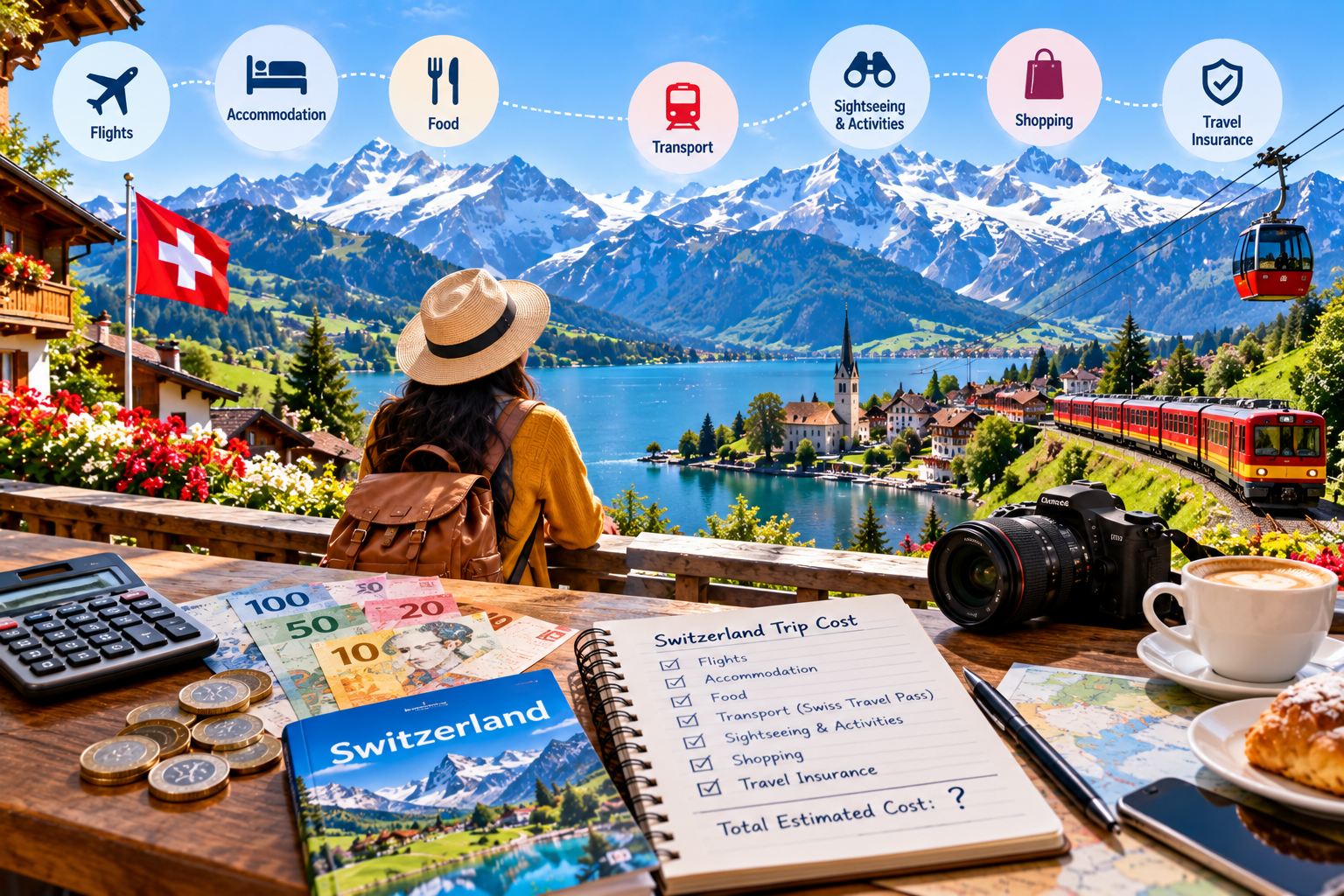
Switzerland is the dream destination for many Indian travellers, and also one of the most expensive countries in Europe. Mountain railways, lake cruises and hotels all cost more than elsewhere, so planning a budget before you go makes a big difference. This guide breaks down the Switzerland trip cost from India, compares travelling independently with a group tour, and shows where you can save.
What makes Switzerland expensive
Swiss salaries and prices are among the highest in the world. A simple restaurant meal costs CHF 25–40, a mid-range hotel CHF 150–250 a night, and the famous mountain excursions are priced at a premium: a return trip to Jungfraujoch from Interlaken costs over CHF 200 per adult in summer, and Mt. Titlis close to CHF 100. Travelling between towns by train is easy but adds up quickly.
Typical costs for a 7-day Switzerland trip
| Item | Do-it-yourself (approx.) |
|---|---|
| Return flights from India to Zurich or Geneva | ₹55,000–₹85,000 |
| Hotels, 7 nights (twin share, per person) | CHF 550–900 |
| Swiss Travel Pass or point-to-point trains | CHF 250–450 |
| Jungfraujoch, Titlis and one more excursion | CHF 300–400 (with pass discounts) |
| Food, 2–3 meals a day | CHF 50–90 a day |
| Visa, insurance and extras | ₹15,000–₹25,000 |
Prices are rough guides for planning in 2026-27 and change with season and exchange rates. One Swiss franc is roughly ₹95–105 at the time of writing.
Why a group tour usually costs less
On a group tour, hotels, coach transfers, mountain excursions and Indian lunches and dinners are bought at group rates and included in one price. Our 7-night Switzerland tour package includes Jungfraujoch, Mt. Titlis, a Lake Lucerne cruise, the GoldenPass scenic train, Zermatt and the Rhine Falls; booking all of these yourself, plus hotels and meals, would cost noticeably more. Our Paris and Switzerland tour includes three nights in Switzerland with Jungfraujoch and Titlis for travellers who want both.
A 7-day Switzerland itinerary
- Day 1: Arrive in Zurich and transfer to central Switzerland.
- Day 2: Rhine Falls by boat, Lindt Home of Chocolate and a Zurich city tour.
- Day 3: Lucerne's Chapel Bridge and Lion Monument, a lake cruise and Mt. Titlis.
- Day 4: Jungfraujoch – Top of Europe, Interlaken and Trummelbach Falls.
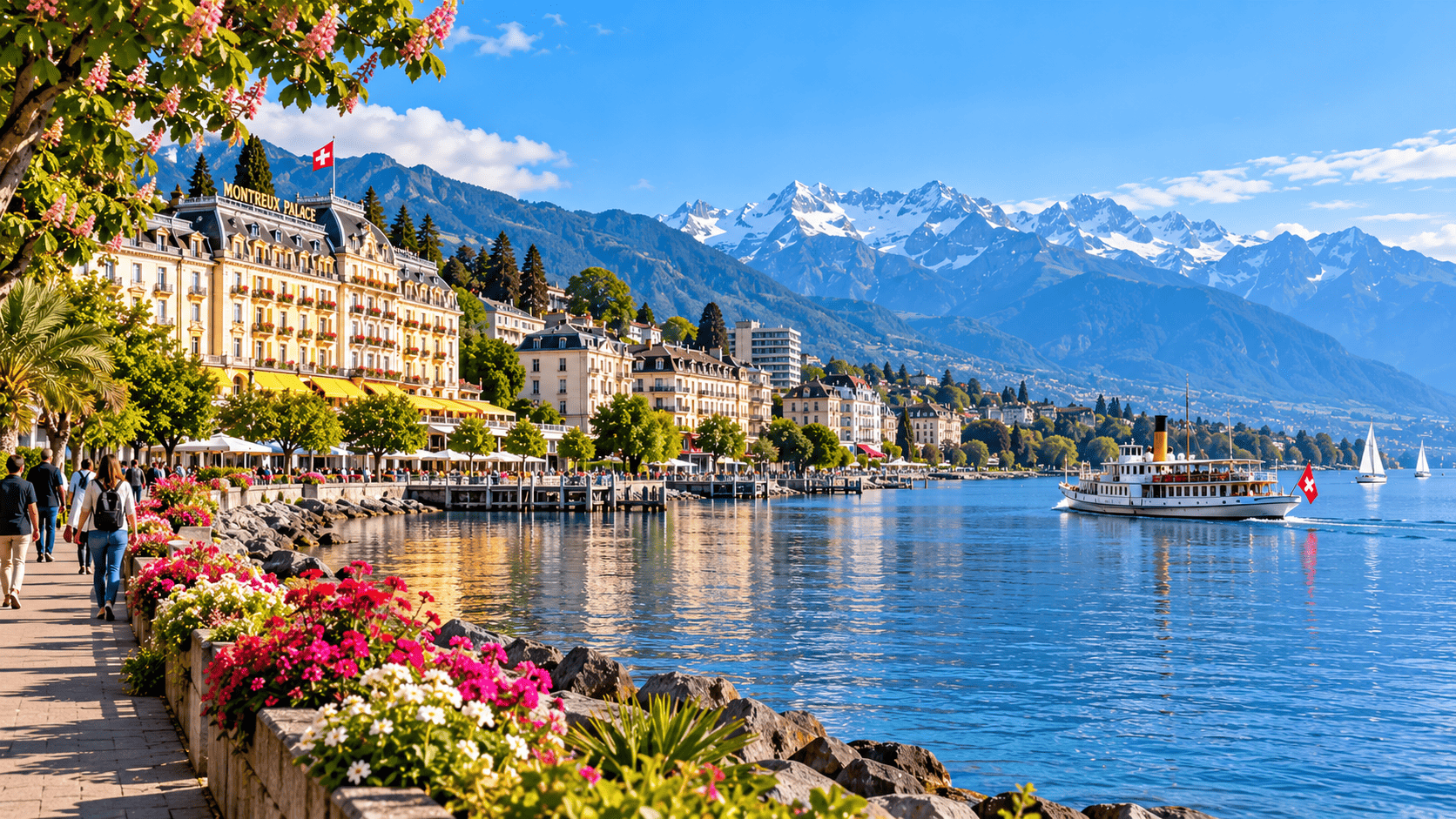
- Day 5: GoldenPass scenic train to Montreux and Chaplin's World.
- Day 6: Zermatt and the Matterhorn, then Geneva.
- Day 7: Olympic Museum in Lausanne, Gruyères and Bern.
- Day 8: Fly home from Zurich.
This is the route of our Sound of Swiss tour. Read more about Jungfraujoch, Lucerne and the Rhine Falls and Zermatt.
Switzerland honeymoon budget
Honeymooners often prefer a slower pace and a better room. A Switzerland honeymoon package on our Swiss tour keeps the group's mountain days and Indian meals, and we can add a room upgrade or extra nights in Interlaken or Lucerne. May, June and September are the most popular months for couples.
The Swiss Travel Pass explained
Independent travellers often buy the Swiss Travel Pass, which gives unlimited travel on trains, buses and lake boats for 3, 4, 6, 8 or 15 days, free entry to many museums and discounts on mountain railways (usually 25–50%; Jungfraujoch is discounted but not free). It is convenient but not cheap; for a short trip focused on one or two regions, regional passes or point-to-point tickets can work out better. On a group tour you do not need any pass, because the coach and the excursions are included.
Food costs and Indian food in Switzerland
Eating out is one of the biggest daily costs: a coffee costs CHF 4–6, a sandwich CHF 8–12 and a restaurant main course CHF 25–40. Indian restaurants exist in Zurich, Lucerne, Interlaken and Geneva, and supermarkets such as Coop and Migros sell ready meals, bread, cheese and fruit. On our tours, breakfast and most Indian lunches and dinners are included, which removes most of this cost.
Shopping budget
Many travellers come home with a Swiss watch, a Victorinox army knife and boxes of chocolate. Set a budget before you go: watches range from a few hundred francs to many thousands, while chocolate and knives are affordable gifts. Shops in Lucerne and Interlaken offer tax-free shopping for non-residents above a minimum spend; keep the form for the airport.
Paris and Switzerland together
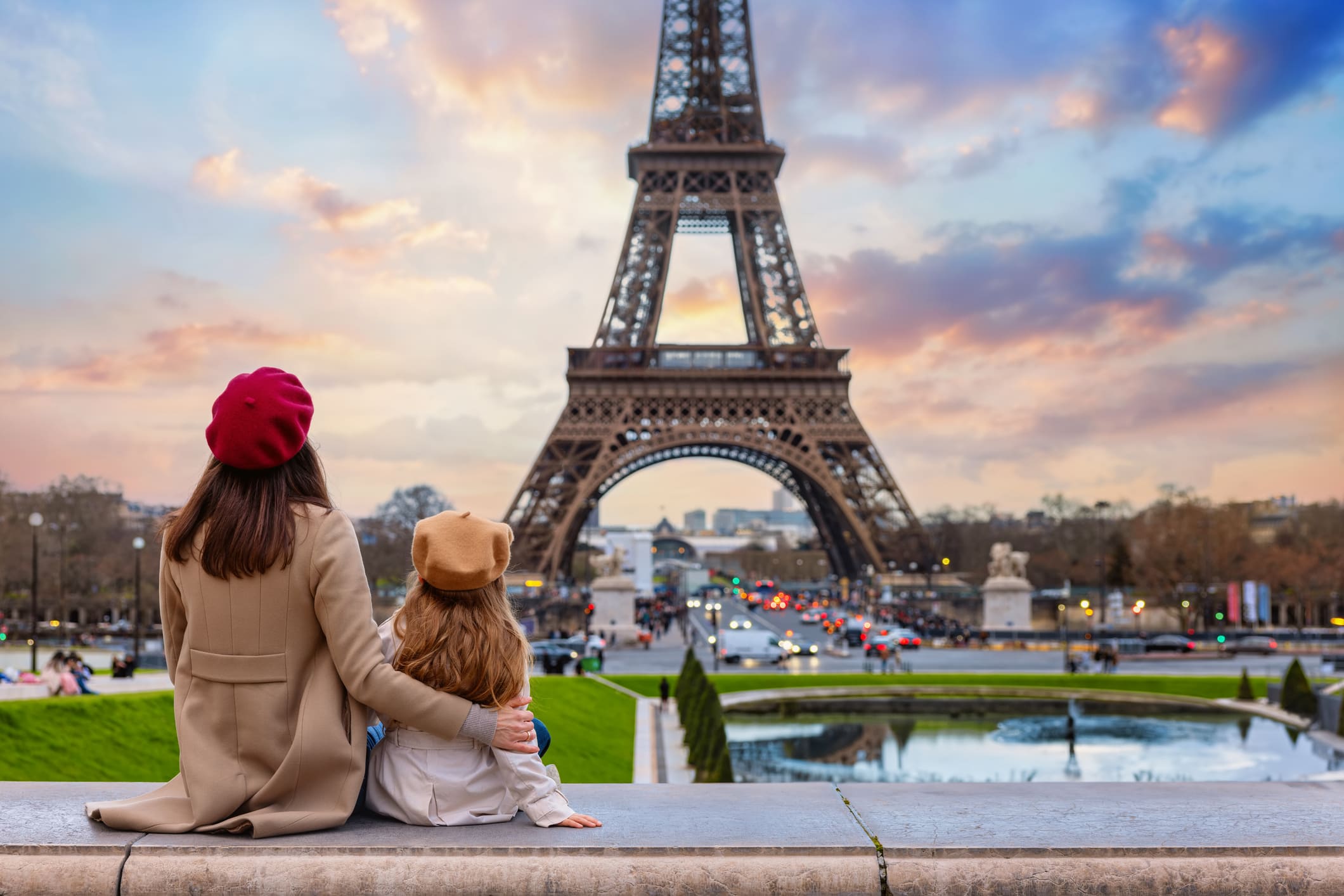
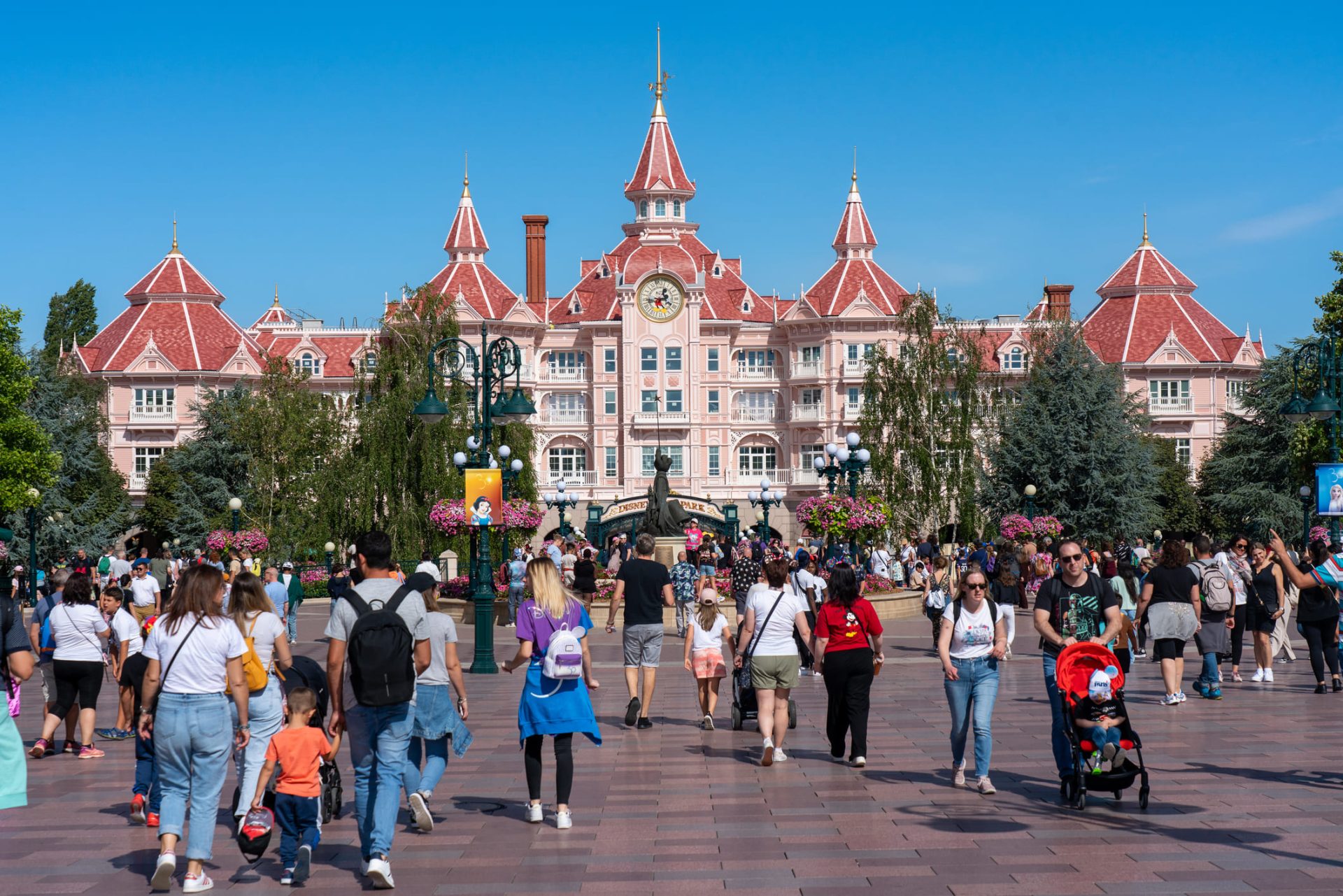
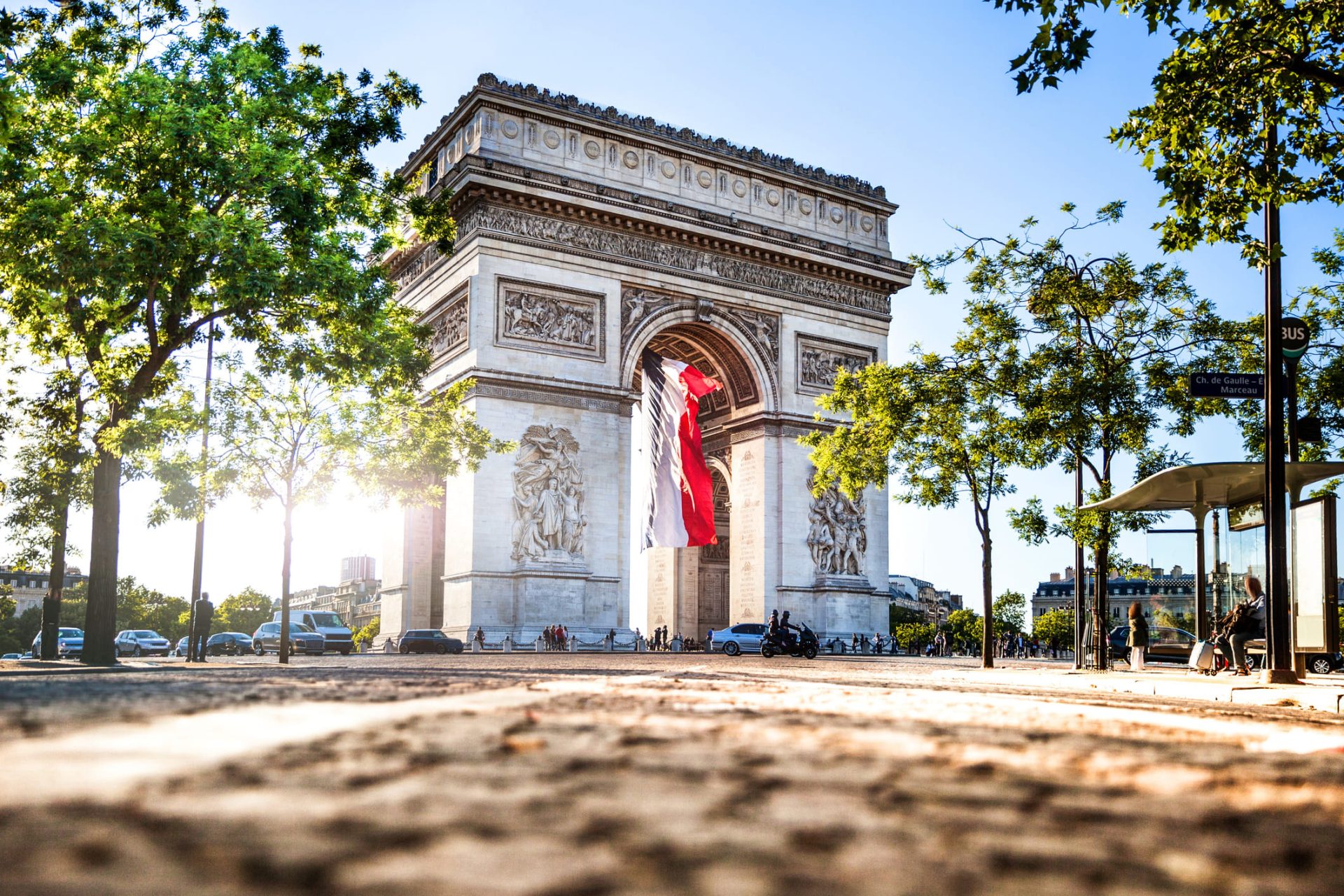
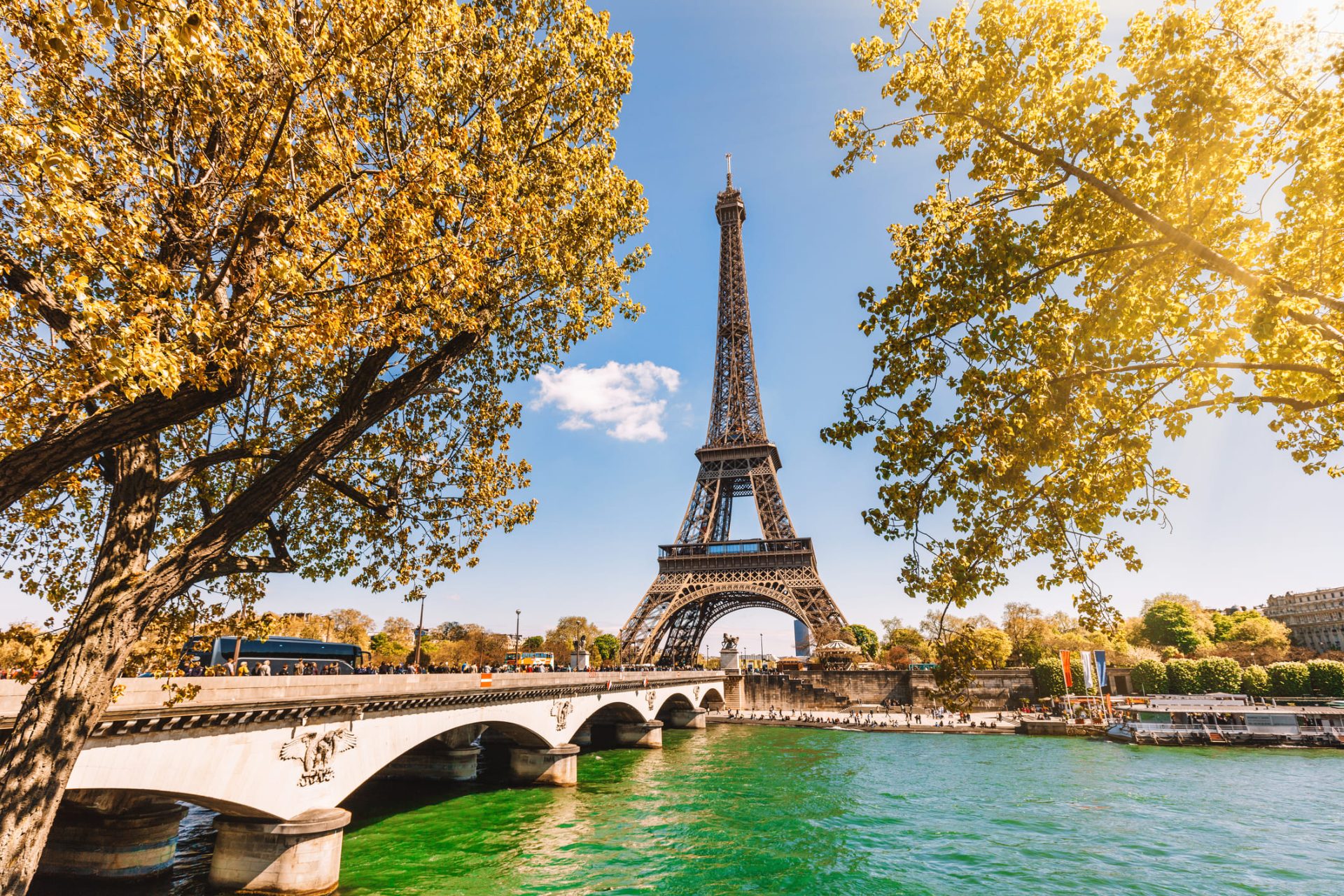
Many first-time travellers combine three nights in Paris with three or four in Switzerland. Paris adds the Eiffel Tower, Versailles and Disneyland® Paris, and its costs are a little lower than Switzerland's. Our Paris Switzerland tour package includes both, with the Swiss mountain excursions in the price.
Exchange rate and paying in Switzerland
Cards are accepted almost everywhere in Switzerland, including mountain stations and small cafés, and contactless payment is standard. A multi-currency forex card loaded with Swiss francs is the cheapest way to pay. Carry a small amount of cash in francs for toilets, small shops and tips. Read our guide to currency in Europe.
How to save money in Switzerland
- Travel in May, June or September rather than July–August.
- Choose a tour that includes the expensive mountain excursions.
- Carry a refillable water bottle; Swiss tap water is excellent.
- Buy chocolate and souvenirs at supermarkets such as Coop and Migros.
- Use the hotel breakfast well on long sightseeing days.
Switzerland tours
Frequently asked questions
How much does a Switzerland trip cost from India?
A 7-day trip done yourself can cost well over ₹2 lakh per person including flights, because of hotels, trains and mountain tickets. A group tour with these included is usually cheaper. Ask us for an exact quote.
How much is the Jungfraujoch ticket?
A return trip from Interlaken costs over CHF 200 per adult in summer, less with some passes. It is included on most of our Switzerland tours.
Is 7 days enough for Switzerland?
Yes. Seven days covers Zurich, Lucerne, Titlis, Jungfraujoch, Interlaken, Montreux, Zermatt and Geneva at a comfortable pace.
Which currency is used in Switzerland?
The Swiss franc (CHF). Euros are accepted in some places but change is given in francs. A forex card is the easiest option.
Do I need a separate visa for Switzerland?
No. Switzerland is in the Schengen area, so a Schengen visa covers it.
Plan your Europe trip
Send us your dates and we will quote your Switzerland tour, with or without flights.
Get a free quote