Europe Christmas & New Year Tour – 9 Countries, 12 Nights / 13 Days
Standard Package

Europe Christmas & New Year Tour – 9 Countries, 12 Nights / 13 Days

Our most complete Europe tour, over Christmas and New Year: 9 countries in 12 nights / 13 days from Paris to Rome, departing 22 December 2026, with t…

⌖ Europe ✦ Family & senior friendly planning
Package snapshot
DestinationEurope
Travel styleStandard Package
From ₹304,762 per person (twin sharing), land only, GST extra

Price updated 10 Nov 2026, 6:00 AM IST at today's exchange rate. Vendor payments are in foreign currency, so the final amount is fixed at our selling exchange rate on the date of full payment. GST 5% and TCS 2% extra at checkout.

Your holiday

Europe Christmas & New Year Tour – 9 Countries, 12 Nights / 13 Days: overview

The whole of Europe, from Christmas to New Year

If you're going to do Europe once, properly, this is the Europe group tour from India to choose. Over thirteen days you see nine countries without ever feeling rushed: Christmas Eve at Disneyland® Paris, Christmas Day in the Grand Place of Brussels, windmills and canals in Holland, the Black Forest, three nights in the Swiss Alps, tiny Liechtenstein, the Austrian Tyrol, New Year's Eve in a Venetian gondola, and the first days of the New Year among the treasures of Florence and Rome.

Three nights in Paris give you a guided city tour, the Eiffel Tower top level, Versailles, a Seine cruise, Paris by Night and Disneyland® Paris. Then Brussels and Mini-Europe, a Dutch windmill village and Amsterdam, Heidelberg and the Black Forest, and three nights in Switzerland with Jungfraujoch, Mt. Titlis, Lucerne and the Lindt Home of Chocolate. You cross Liechtenstein and Austria, ride a gondola in Venice, walk Florence with a guide, see the Leaning Tower of Pisa, and finish in Rome with a guided visit to the Vatican Museums and the Sistine Chapel.

A professional tour manager travels with the group throughout, you stay in superior 4-star hotels, and lunches and dinners with Jain, vegetarian and non-vegetarian options are included, along with two gala dinners, for Christmas and New Year's Eve, and little treats in every country. It's our most complete Western Europe tour package, the true Best of Europe tour. Compare it with our other Europe tour packages.

Good to know

Package typeStandard Package
Planning supportSmall changes by enquiry
Best forFamilies, couples & seniors
Book now – pay 30%
Trip highlights
✦ 22 Dec · Arrive in Paris | Thirteen days of Europe begin
✦ 23 Dec · Paris city tour, Eiffel Tower top level, Versailles, Seine cruise and Paris by Night | Paris from dawn to the lights
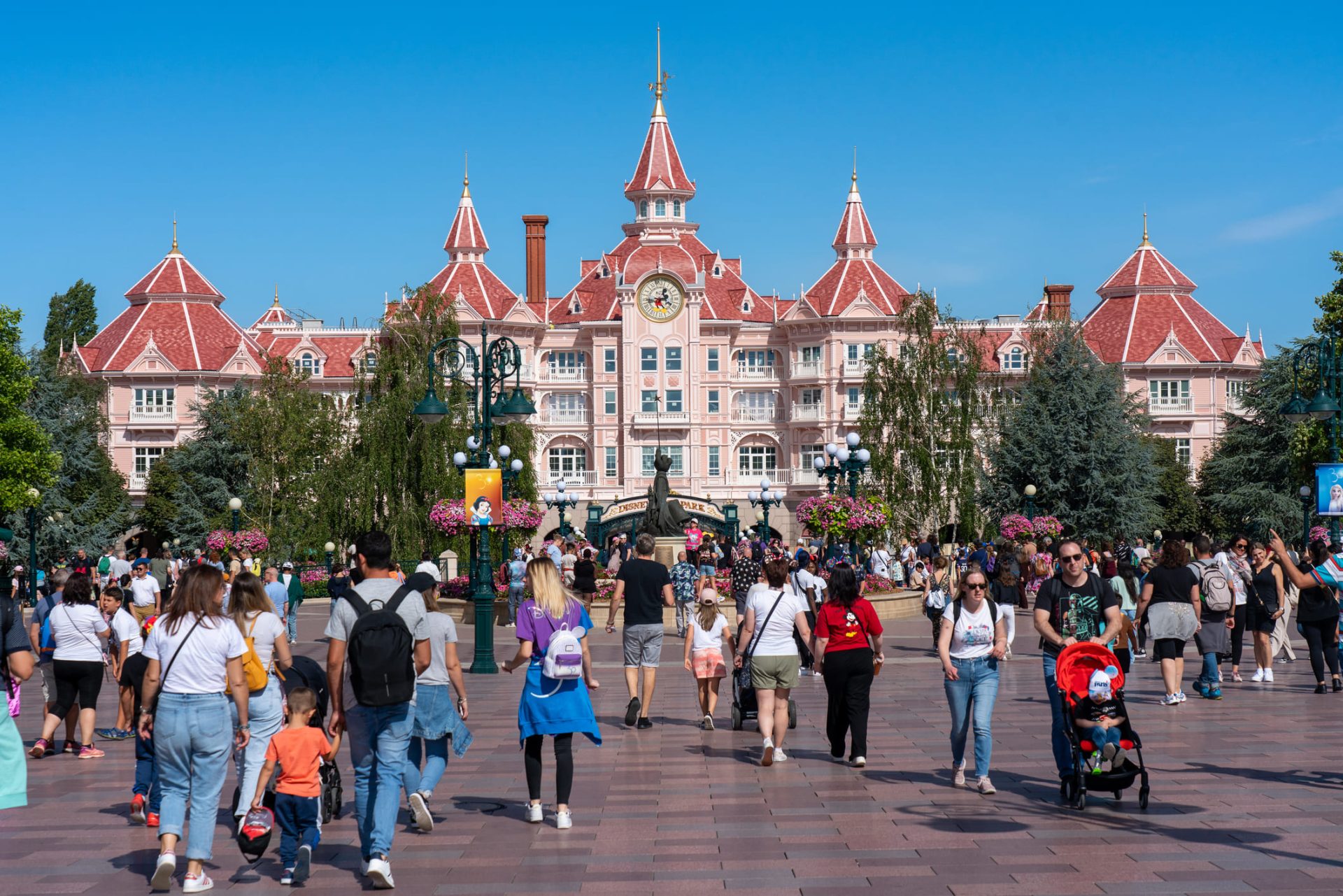
✦ 24 Dec · Full day at Disneyland® Paris | Christmas Eve with Mickey
✦ 25 Dec · Brussels – Grand Place, Manneken Pis and Mini-Europe | Christmas Day in Belgium
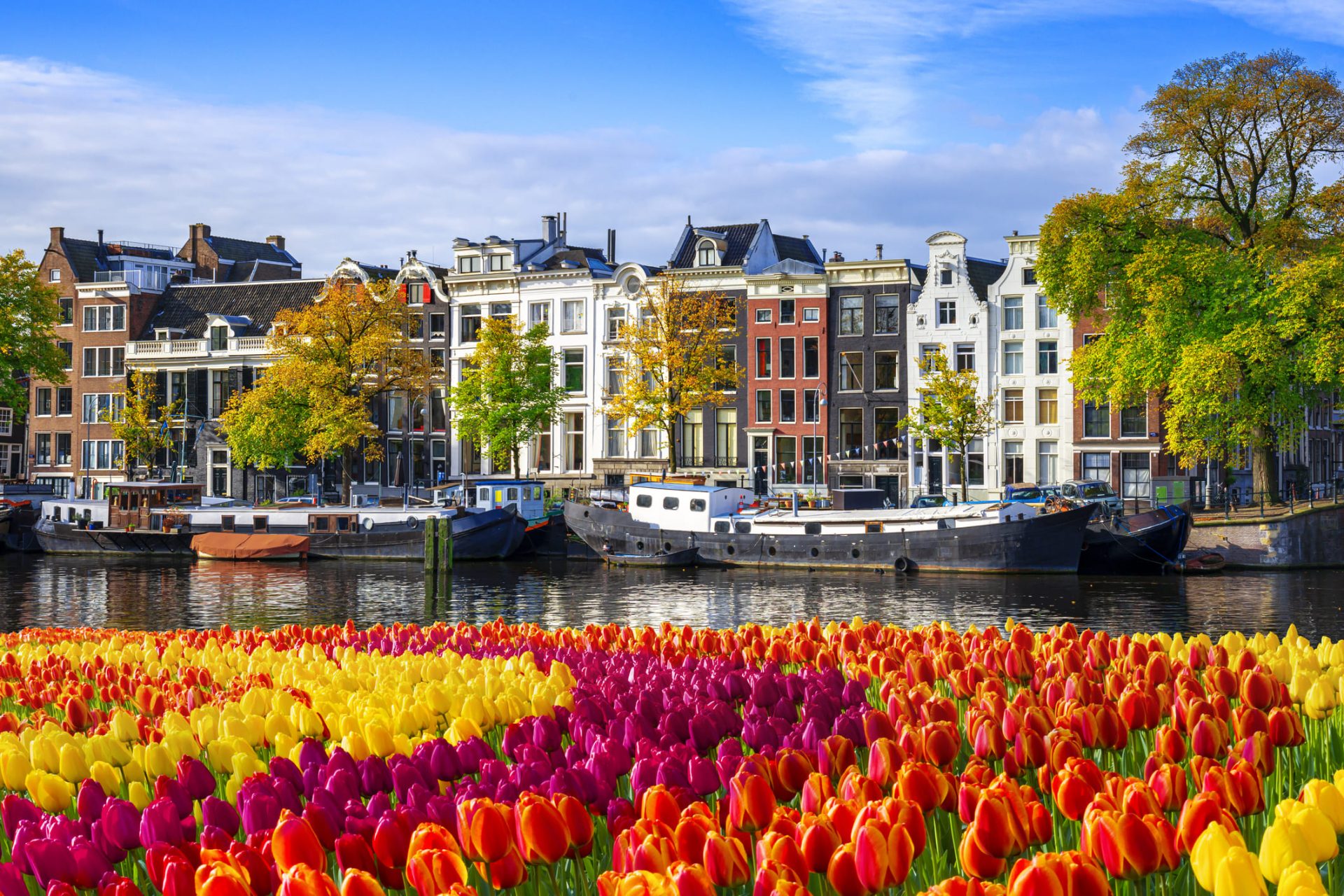
✦ 26 Dec · Dutch windmill village and Amsterdam canal cruise | Old Holland and its canals
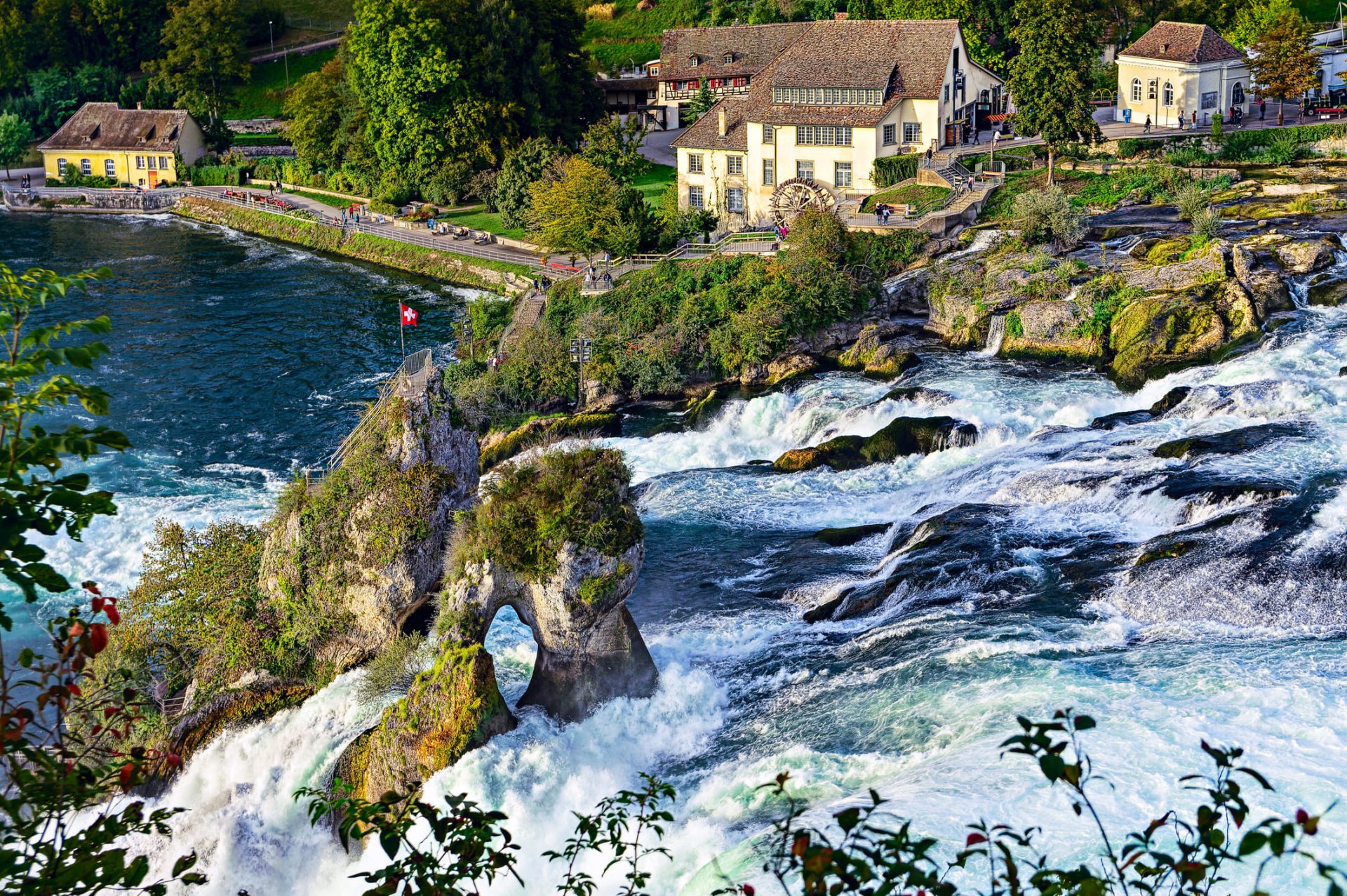
✦ 27 Dec · Heidelberg, Black Forest and Rhine Falls | Romantic Germany and a thundering waterfall
Day-wise plan

Europe itinerary: day by day

Day 1
22 Dec · Arrive in Paris | Thirteen days of Europe begin

22 Dec · Arrive in Paris | Thirteen days of Europe begin

⌖ Paris 🍽 Meals: Dinner

Thirteen days, nine countries, and both Christmas and New Year in Europe: this is the big one, and it starts the moment your flight touches down at Paris Charles de Gaulle. As you come through the arrivals hall, your Dreamland Vacations representative is waiting to welcome you and lead you to the coach. Over the next two weeks, you won't need to book a single ticket, find a single train or worry about where to eat. Your tour manager will be with the group every day, and the whole journey has been planned so you can simply enjoy it.

As the coach heads towards the city, you may hear Paris called by its old nickname, the City of Light. The name has two meanings. In the 17th and 18th centuries, Paris was one of the first great cities to light its streets at night, first with lanterns and later with gas lamps, which amazed visitors from abroad. It was also the centre of the Enlightenment, when French writers and thinkers spread new ideas about science, reason and freedom across Europe. Both kinds of light still shine here today, and you'll see what that means over the next few days.

The drive gives you your first impressions of the city. Look out for the little things that make Paris Paris. The street names are written on dark blue enamel plaques with white letters and a green border, fixed to the corner of almost every building. Here and there you'll spot a Wallace fountain, an ornate dark-green cast-iron drinking fountain held up by four graceful female figures. They were given to the city in 1872 by an English philanthropist, Richard Wallace, after the hardships of war left many Parisians without clean water, and they still provide free drinking water today. And on the northern skyline, if the weather is clear, you may see the white domes of Sacré-Cœur gleaming on top of Montmartre, the highest hill in Paris and once a village of windmills, artists and cabarets. At its foot stands the Moulin Rouge, with its famous red windmill, which opened in 1889, the same year as the Eiffel Tower.

You arrive three days before Christmas, when Paris is wrapped in festive cheer. The grand department stores are decorated from top to bottom, the avenues sparkle with lights, and Christmas markets with wooden chalets sell hot chocolate, crepes, gingerbread and handmade gifts. People hurry along the pavements with shopping bags and wrapped presents, and the cafes are full of friends meeting for a warm drink after work. It's a city in a happy mood, and you'll feel it immediately.

Once you reach the hotel and check in, the rest of the day is free. If you've flown overnight, the best thing you can do is rest. A few tips help beat jet lag: drink plenty of water, step outside for some daylight, and try to stay awake until a normal bedtime so your body adjusts to European time, which is four and a half hours behind India in winter. If you'd like a gentle introduction to the city, take a short walk around the neighbourhood, buy a warm croissant from a bakery, or simply sit at a café table and watch Parisian life go by.

As evening comes, a little before five o'clock at this time of year, the lights come on all over the city. Shop windows glow, the strings of lights along the streets begin to twinkle, and Paris takes on its magical winter look. It's a lovely first glimpse of what's ahead tomorrow, when you'll see the city from morning until late at night.

In the evening the group comes together for dinner at an Indian restaurant, with Jain, vegetarian and non-vegetarian options. It's a warm, familiar first meal in Europe, and a chance to meet the people you'll share the next thirteen days with: families, couples and friends from across India, all excited about the same adventure. Your tour manager introduces the plan for tomorrow and explains how the tour works: breakfast times, how to find your coach, staying together in busy places and keeping valuables safe from pickpockets. Then it's back to the hotel for a good night's sleep. Tomorrow, Paris is yours from morning to midnight.

A few French words will make your stay warmer. Always start with "Bonjour" (good day) when you enter a shop, café or hotel reception, and say "Bonsoir" (good evening) after dark. "Merci" means thank you, "S'il vous plaît" means please, and "Au revoir" means goodbye. The French consider a greeting essential politeness, and a simple "Bonjour" with a smile changes how people respond to you. You'll also see friends greeting each other with "la bise", a light kiss on each cheek, one of the little rituals of everyday French life.

Included today: group arrival transfer from Paris CDG (for flights landing 8 am–2 pm), dinner at an Indian restaurant.

Good to know: hotel check-in is usually mid-afternoon. Paris is around 2–7°C in late December, so keep a warm jacket, scarf and gloves in your hand luggage. Some attractions close or change their hours over Christmas, so the order of sightseeing may be switched between days; you still see everything included.
Day 2
23 Dec · Paris city tour, Eiffel Tower top level, Versailles, Seine cruise and Paris by Night | Paris from dawn to the lights

23 Dec · Paris city tour, Eiffel Tower top level, Versailles, Seine cruise and Paris by Night | Paris from dawn to the lights

⌖ Paris 🍽 Meals: Breakfast, Lunch, Dinner

Today is your great Paris day, from the first monuments of the morning to the sparkling lights of the night. It's long and full, so eat a good breakfast, wear your most comfortable shoes and keep a warm layer to hand.

Your local guide joins the coach and the city tour begins. You start among the elegant buildings around Place Vendôme and the Opéra Garnier, Paris's grand 19th-century opera house, with its golden statues and green bronze domes, then pass the Musée d'Orsay, a beautiful old railway station turned into a museum of Impressionist art. At Place de la Concorde, the largest square in Paris, an ancient Egyptian obelisk rises between two splendid fountains decorated with bronze sea gods and mermaids.

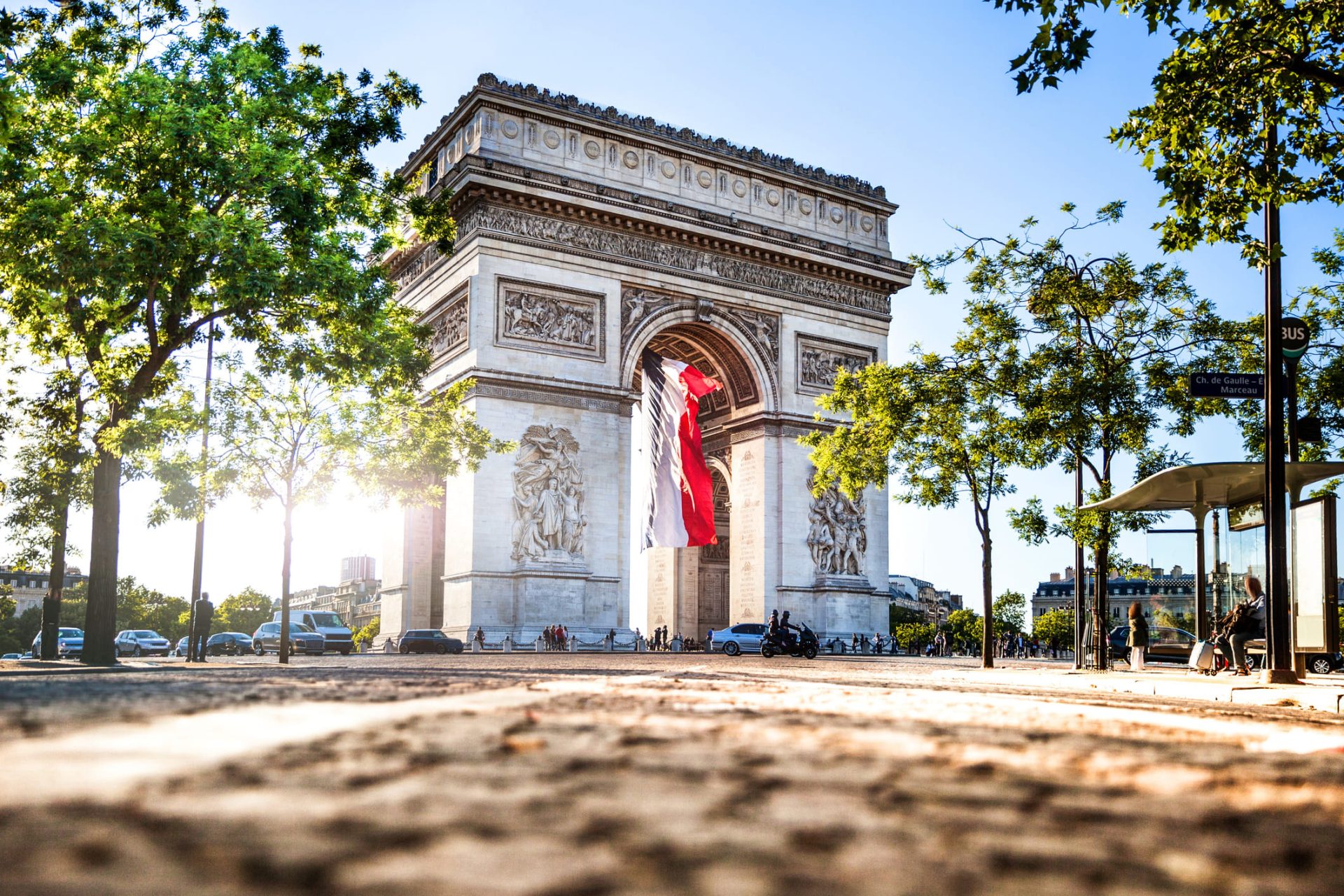
From there, the Champs-Élysées stretches ahead. Its name means the Elysian Fields, the paradise of heroes in Greek mythology, and at Christmas the avenue's rows of trees are hung with lights. At the top stands the Arc de Triomphe, 50 metres tall, commissioned by Napoleon in 1806 to celebrate his victories. He never saw it finished: it was completed in 1836, fifteen years after his death. Your guide then takes you across Pont Alexandre III, the most decorated bridge in Paris, whose first stone was laid in 1896 by the Russian Tsar Nicholas II, and past Les Invalides with its gleaming golden dome.

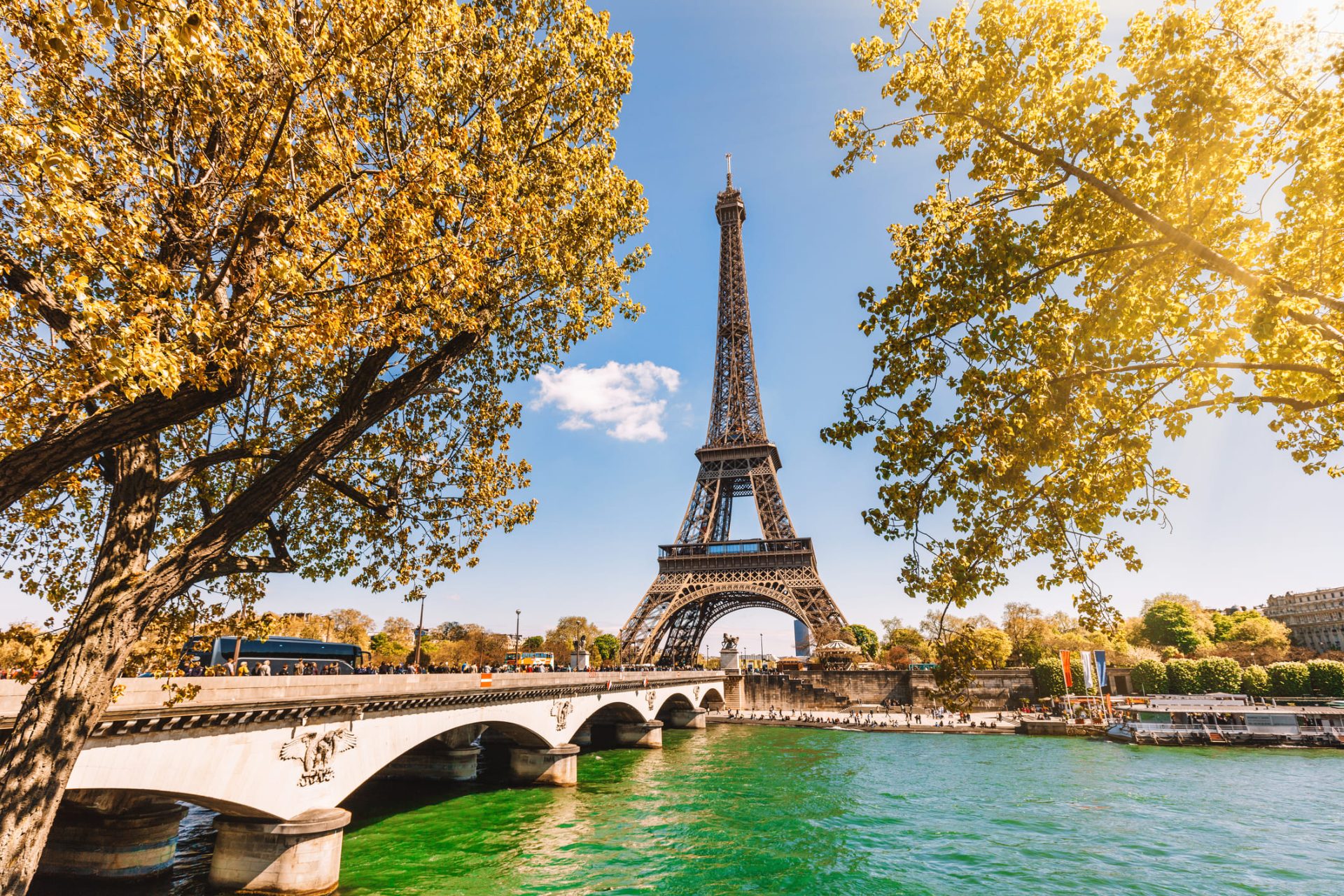
Then comes the Eiffel Tower. Before you take the lift, look at the frieze running around the first level: Gustave Eiffel had the names of 72 French scientists, engineers and mathematicians engraved there, a tribute to the knowledge that made his tower possible. The tower was also part of the Paris Olympic Games in 2024: every medal awarded contained a small piece of original iron from the tower. Lifts carry you up through the latticework to the second floor and then, in a glass lift, to the very top, 276 metres above the city. From here Paris looks like a map come to life: the grey roofs, the green parks, the river curving through, and the monuments you've just seen from the ground, now tiny in the distance. Take your time; you'll want to remember this.

In the afternoon you drive to the Palace of Versailles, the home of the French kings. Versailles was designed to dazzle, and it still does. In Louis XIV's day, Venetian glass was the finest in the world and Venice guarded the secret of how to make it, so France lured skilled glassmakers to Paris to make the mirrors for the Hall of Mirrors itself. The gardens, too, were astonishing for their time, with hundreds of fountains fed by an enormous system of pumps and canals. Versailles also saw a moment of scientific history: in 1783 the first hot-air balloon flight with living passengers took off from the palace courtyard in front of King Louis XVI, carrying a sheep, a duck and a rooster, which all landed safely. Your guided visit leads you through the royal apartments, rich with gold, marble and painted ceilings, to the glittering Hall of Mirrors.

As dusk falls, you're back in Paris for a cruise on the Seine. From the water you see the city's grand facades rising from the riverbanks, and you pass under bridges of stone and iron. Look out for the Pont des Arts, the footbridge where couples once fastened so many "love locks" that their weight damaged the railings, and the city had to remove them in 2015. You glide past the Louvre and the Île de la Cité, where Notre-Dame stands restored and glowing, and on towards the Eiffel Tower.

The day ends with the Paris by Night tour, the perfect finale. The coach takes you along the illuminated boulevards and through the great squares, now bathed in golden light. The Opéra shines, the Arc de Triomphe glows at the end of the Champs-Élysées, and the Christmas lights twinkle everywhere. Then, on the hour, the Eiffel Tower bursts into sparkle, with around 20,000 bulbs flashing across it for five minutes. There's always a gasp, and then everyone reaches for their camera. You'll go to bed tonight with the lights of Paris still dancing in your head.

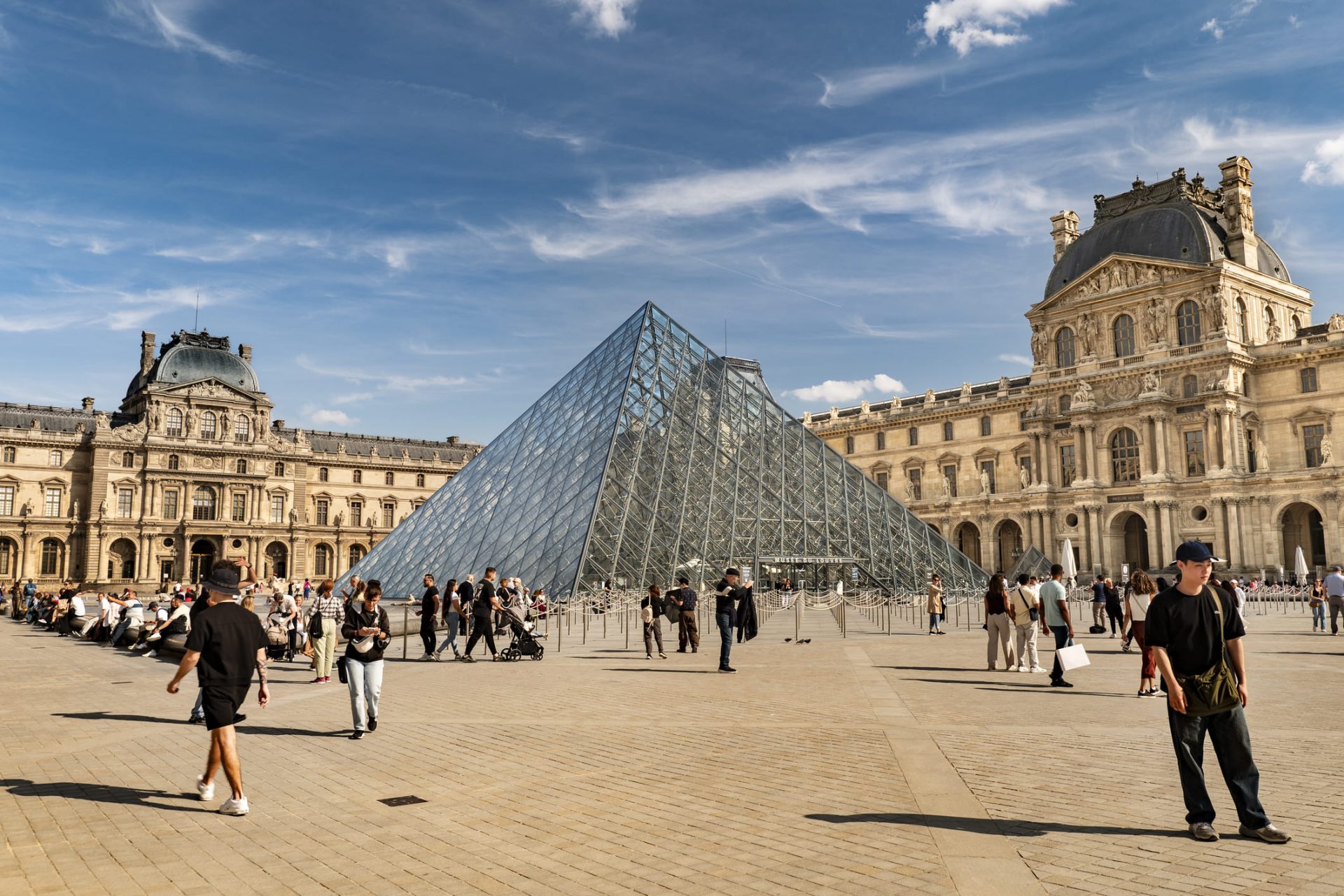
One of the most striking sights of Paris by Night is the courtyard of the Louvre, where the glass pyramid glows from within. When the architect I. M. Pei designed it as the museum's new entrance in the 1980s, many Parisians hated the idea of a modern glass pyramid in front of a royal palace, just as their ancestors had hated the Eiffel Tower. Today, lit up at night and reflected in the fountains around it, it's one of the most photographed places in the city.

Included today: guided Paris city tour, Eiffel Tower top level, guided Versailles Palace tour, Seine cruise, Paris by Night tour, breakfast, lunch, dinner.

Good to know: because of Christmas, some places may be closed or have shorter hours, so activities may be switched between days; Days 2 and 3 may also be swapped depending on ticket slots. You still see everything included. Eiffel Tower top-level access depends on its operating status; if it's closed, the group visits the 2nd level instead.

Day 3
24 Dec · Full day at Disneyland® Paris | Christmas Eve with Mickey

24 Dec · Full day at Disneyland® Paris | Christmas Eve with Mickey

⌖ Paris 🍽 Meals: Breakfast, Packed Lunch, Dinner

Christmas Eve at Disneyland® Paris: it sounds like a dream, and today it's real. After breakfast, the coach drives east out of Paris, and in under an hour you arrive at the gates of the most famous theme park in Europe, dressed in its full Christmas finery.

A little planning helps you make the most of the day. Your ticket gives you a full day in one of the two parks: Disneyland® Park, the classic park of fairy tales, castles and parades, or the second park next door, built around the worlds of Disney, Pixar and Marvel films. Your tour manager will help you choose the evening before. Families with small children usually head for Disneyland® Park, while teenagers and thrill-seekers often prefer the movie-themed park with its superhero and Pixar rides. Download the official app before you go: it shows waiting times for every ride, show times and where to find the characters. Some popular rides also have a single-rider queue, which can be much quicker if you don't mind being split up for a few minutes.

Walking into Disneyland® Park on Christmas Eve is pure magic. Main Street, U.S.A. is lined with decorated shopfronts, garlands of fir and red ribbon, and a towering Christmas tree glittering with ornaments. Music fills the air, the smell of popcorn and hot chocolate drifts along the street, and at the far end, Sleeping Beauty Castle rises in pink and blue, crowned with turrets, exactly as you've imagined it since childhood.

Each of the park's lands is a different world to explore. Fantasyland is the land of fairy tales: ride through "it's a small world" among hundreds of singing dolls dressed in costumes from every corner of the globe, including India; spin in a giant teacup at the Mad Hatter's tea party; or fly with Dumbo over the rooftops. In Adventureland, you sail into the cannon-fire and treasure caves of Pirates of the Caribbean, and explore Skull Rock and the giant Swiss Family Robinson treehouse. In Frontierland, the Wild West comes alive, with a runaway mine train racing around Big Thunder Mountain and a haunted mansion, Phantom Manor, on the hill. Discoveryland is the land of the future, with Buzz Lightyear's laser battle and the high-speed Star Wars Hyperspace Mountain.

On Christmas Eve, the park has a special atmosphere. Mickey and Minnie appear in their Christmas outfits, Santa Claus greets children in his grotto or rides in the festive parade, and some of the characters wear winter scarves and hats. The Christmas parade down Main Street is a highlight, with floats decorated like giant gifts and gingerbread houses, dancers in sparkling costumes and favourite characters waving to the crowds. Check the times in the app and find your spot a little early; on Christmas Eve, the parade route fills up quickly.

A packed lunch is included, so you can eat whenever you're hungry without wasting time in long restaurant queues. In winter, look out for the stalls selling hot drinks and warm snacks to keep you cosy between rides. Many families like to take a short break in the afternoon, finding a bench with a view of the castle, before the evening magic begins.

As darkness falls, the Christmas lights come on across the park and the castle starts to glow in changing colours. If there's a nighttime show at the castle this evening, with projections, music and fireworks, it's the most emotional moment of the day. Children watch with wide eyes, and many grown-ups find themselves with a lump in their throat. There's nothing quite like it.

Then the group gathers for the Christmas Eve gala dinner, the festive heart of your holiday. Around Europe tonight, families are sitting down to their Christmas Eve feasts, and you'll celebrate your own: a beautifully laid table, a special menu with Jain, vegetarian and non-vegetarian options, and the warm company of your fellow travellers. After a day of rides and parades, everyone will have a favourite moment to share, and the children will still be talking about meeting Mickey. It's a Christmas Eve none of you will forget.

Why is there a Disneyland in France at all? In the 1980s, Disney searched Europe for the best place to build its first European park, and chose the countryside east of Paris partly because millions of people across Europe live within a few hours' journey of it. It opened in 1992, and today it's the most visited tourist attraction in Europe. On Christmas Eve, the shops along Main Street are full of festive treats and souvenirs: gingerbread cookies shaped like Mickey's head, Christmas-themed Mickey ears and decorations for the tree. A small Disney ornament makes a lovely memory to hang on your own tree at home, year after year.

Included today: full-day Disneyland® Paris tickets (one park), coach transfers, breakfast, packed lunch, Christmas Eve gala dinner.

Good to know: Christmas Eve is one of the busiest days of the year at the park, so arrive with a plan and be patient in the queues. Wear warm layers and comfortable shoes, and keep your phone charged for the app and photos. Parades, shows and opening hours are set by the park and may change on the day.

Day 4
25 Dec · Brussels – Grand Place, Manneken Pis and Mini-Europe | Christmas Day in Belgium

25 Dec · Brussels – Grand Place, Manneken Pis and Mini-Europe | Christmas Day in Belgium

⌖ Netherlands 🍽 Meals: Breakfast, Lunch, Dinner

Merry Christmas! Today you leave France and drive north to Belgium, and you'll spend Christmas Day in one of the most beautiful squares in the world. The roads are quiet on Christmas morning, as the French are at home with their families, and the coach runs north through the wide, gently rolling farmland of Picardy and the north of France. In about three and a half to four hours, you cross into Belgium, the second country of your tour, and reach its capital, Brussels.

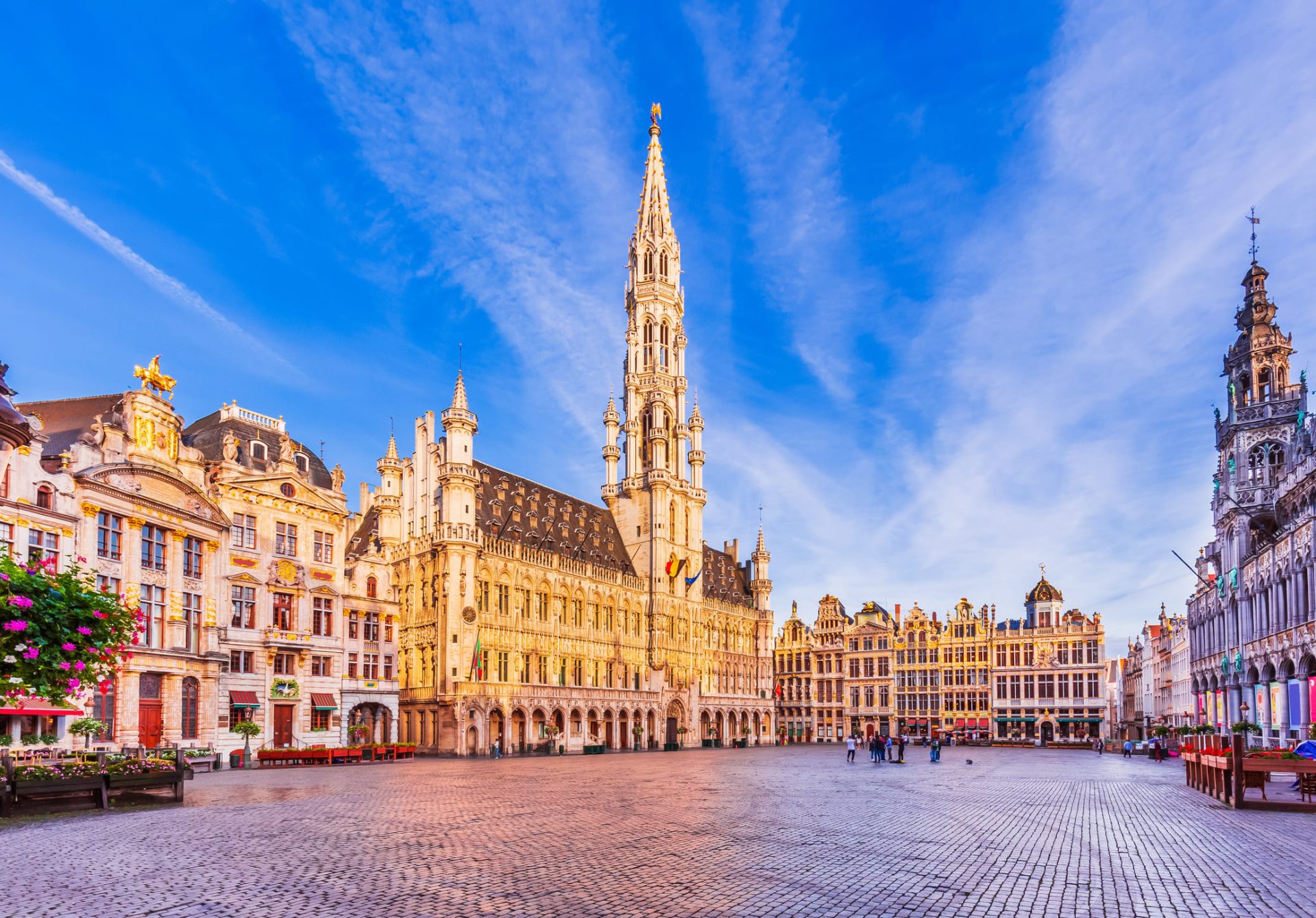
Your visit begins at the Grand Place. Step into the square and you'll understand why it's considered one of the finest in Europe and has been a UNESCO World Heritage Site since 1998. On every side, tall, narrow guild houses stand shoulder to shoulder, their gabled facades covered in carved stone, statues and shimmering gold leaf. Each house belonged to one of the city's trade guilds, and each tried to outdo its neighbours. Look for the Brewers' House, topped by a golden horseman, a reminder that Belgium has been famous for its beer for centuries; Belgian beer culture is even on UNESCO's list of intangible heritage. Opposite rises the soaring Gothic Town Hall, its spire reaching high above the rooftops. In summer, every second year, the square is covered by a giant carpet of begonias, but on Christmas Day it has its own magic, with a great Christmas tree and festive decorations.

While you're here, look into the shop windows around the square for Brussels lace. For centuries, Belgian women made exquisite bobbin lace by hand, weaving fine linen threads into patterns of flowers and leaves, and Brussels lace once decorated the collars and gowns of Europe's kings and queens. A small piece of handmade lace is a delicate, very Belgian souvenir.

A short walk brings you to the Manneken Pis, the little bronze boy who has amused visitors for nearly 400 years. He's tiny, much smaller than most people expect, but his cheeky spirit has made him the symbol of Brussels. Locals have a sense of humour about him: in 1987 a sculptor even created a little sister, Jeanneke Pis, who sits in a small alley not far away. On festive days, the Manneken Pis is dressed in one of the hundreds of costumes in his wardrobe, so you never know what he'll be wearing.

Then it's time for a treat: your Belgian waffle. Buy it hot from a stall, dusted with sugar or topped with chocolate, and eat it while standing in the cold, just as the locals do. The warm, crispy outside, the soft inside and the smell of caramelised sugar make it one of the best things you'll eat in Europe. If you have time, step into one of the chocolate shops nearby, where pralines and truffles are arranged like jewels behind the glass.

After lunch you drive to the north of the city, where the Atomium towers over the park, its nine giant silver spheres shining in the winter light. Built for the 1958 World's Fair, it's 102 metres high and has become one of Belgium's most famous landmarks. At its feet lies Mini-Europe, where you'll find Europe's most famous buildings recreated at a scale of 1 to 25. You'll stroll past Big Ben in London, the Brandenburg Gate in Berlin, the canals of Venice and the Leaning Tower of Pisa, all in the space of an afternoon. Many models come alive at the press of a button: Mount Vesuvius erupts with smoke, a rocket blasts off from its launch pad, and trains run across tiny bridges. It's great fun, and a good preview of many places you'll visit over the coming days.

In the late afternoon you head north into the Netherlands, your third country. As darkness falls, you check in to your hotel, where dinner is waiting. It's been a Christmas Day like no other: breakfast in Paris, a waffle in Brussels, all of Europe in miniature, and the night in Holland.

Belgians have their own Christmas traditions. For Belgian children, the big gift day often comes early, on 6 December, when Saint Nicholas arrives with presents and sweets. Speculoos, thin, crunchy spiced biscuits stamped with pictures, are traditionally baked for his feast day, and you'll find them in shops all through the season. At Christmas itself, many Belgian families eat cougnou, a sweet brioche bread shaped like a swaddled baby Jesus, often decorated with a small clay or sugar figure on top. Christmas Day in Brussels is a family day, so the city feels calm and quiet, with families strolling through the decorated squares after their Christmas lunch. It's a gentle, unhurried way to see the capital of Europe.

Included today: coach Paris to Brussels and on to the Netherlands, Grand Place and Manneken Pis, Belgian waffle, Mini-Europe entry, breakfast, lunch, dinner.

Good to know: because of Christmas, some shops and sights may be closed or have shorter hours on 25 December, so activities may be switched between days; you still see everything included. Today has long coach journeys, so keep snacks, water and a neck pillow with you.
Day 5
26 Dec · Dutch windmill village and Amsterdam canal cruise | Old Holland and its canals

26 Dec · Dutch windmill village and Amsterdam canal cruise | Old Holland and its canals

⌖ Germany 🍽 Meals: Breakfast, Lunch, Dinner

Today you discover the Holland of postcards: windmills turning beside the water, wooden clogs, round yellow cheeses, and a city of canals and tall gabled houses. After breakfast, the coach heads into the flat, green countryside north of Amsterdam, where the land is criss-crossed by canals and ditches and the sky stretches wide from one horizon to the other.

Your first stop is a traditional windmill village by a river. This region, the Zaan district, has a remarkable history. In the 17th and 18th centuries, it was one of the first industrial areas in the world, with around 600 windmills powering sawmills, oil presses, paint mills and paper mills. Long before factories had steam engines, the wind did the work here, and the timber sawn by these mills built the merchant ships that sailed from Holland to India, Indonesia and beyond. The area was so famous for shipbuilding that in 1697 the young Russian Tsar, Peter the Great, came to the nearby town of Zaandam in disguise to learn how to build ships with his own hands.

Today a row of historic windmills stands along the riverbank, their great sails creaking as they turn against the winter sky. Some still work, grinding spices or pressing oil just as they did centuries ago. Between them, wooden houses painted deep green with white trim stand beside little canals and humpbacked bridges. In the workshops, you can watch craftspeople at work. At the clog maker's, a craftsman shows how the traditional wooden shoes are carved from a single block of poplar or willow, and you'll see how quickly the shape appears under the machine. Farmers wore clogs for centuries because they kept feet warm and dry in the wet fields, and some Dutch farmers and gardeners still wear them today. Nearby, a cheese farm shows how Dutch cheeses like Gouda and Edam are made, and you can taste a few varieties, from mild and creamy young cheese to strong, crumbly aged cheese. Your souvenir from Holland is a small reminder of this morning.

In winter the village is peaceful and atmospheric: mist hanging over the water, frost on the grass, and the windmills standing tall against a pale sky. Wrap up warmly, as the wind blows freely across these flat lands, and take your time walking along the river path for the best photographs.

Then it's on to Amsterdam, about half an hour away. In the 17th century, the Dutch Golden Age, this small city was the richest trading port in the world. Its merchants founded the Dutch East India Company in 1602, which became the first company in history to issue shares to the public, and the Amsterdam stock exchange is often called the oldest in the world. Ships brought spices, silks, porcelain and tea from Asia, and with the profits the city built its famous ring of canals and the elegant houses that line them. This was also the age of great painters like Rembrandt and Vermeer, whose masterpieces hang today in the Rijksmuseum, the Dutch national museum. In the same century, the Dutch became so obsessed with tulips that a single rare bulb could cost more than a house, until the market crashed in 1637, one of the first financial bubbles in history.

Your glass-topped canal cruise takes you right into the heart of this history. Through the clear roof, you look up at rows of tall, narrow canal houses, some leaning slightly, with their decorated gables and big windows. The boat passes under arched bridges decorated with lamps, beside houseboats with flower pots and cats sunning themselves on deck, and past grand merchant mansions where the rich families of the Golden Age lived. On the Prinsengracht canal, you'll see the tall tower of the Westerkerk church, the tallest church tower in the city, where Rembrandt is buried. The commentary on board tells you the stories behind the buildings as you go.

Amsterdam in winter has its own charm. The canals are calm and misty, warm lights glow in the windows of canal houses as early as four o'clock, and the city's thousands of bicycles keep rolling, ridden by locals in thick coats and woollen hats. If you have a little free time after the cruise, wander along a canal, pop into a shop for Dutch cheese, tulip bulbs to grow at home, or a tin of stroopwafels.

In the afternoon you leave the Netherlands and drive into Germany, the fourth country of your tour. By evening you reach your hotel in the Frankfurt area, where dinner and a warm room are waiting.

Included today: Dutch windmill village with clog and cheese demonstrations, Amsterdam glass-top canal cruise, souvenir in Holland, breakfast, lunch, dinner.

Good to know: 26 December is a public holiday in the Netherlands and Germany, so some shops may be closed or open shorter hours, and demonstrations may vary. It's often cold and windy by the windmills and on the water, so wear a warm jacket, hat and gloves.

Day 6
27 Dec · Heidelberg, Black Forest and Rhine Falls | Romantic Germany and a thundering waterfall

27 Dec · Heidelberg, Black Forest and Rhine Falls | Romantic Germany and a thundering waterfall

⌖ Central Switzerland 🍽 Meals: Breakfast, Lunch, Dinner

Today is a journey through the Germany of fairy tales: a romantic castle town on a river, the dark, snowy hills of the Black Forest, and, as the day ends, the thunder of the Rhine Falls in Switzerland. After breakfast, the coach drives south from Frankfurt along the edge of the Odenwald hills to Heidelberg.

Heidelberg has drawn visitors for centuries, and its story goes back much further than its castle. In 1907 a workman digging in a sandpit near the town found an ancient human jawbone, around 600,000 years old. It belonged to a species of early human now known around the world as Heidelberg Man. Much later, Heidelberg became the seat of powerful princes, and in 1386 they founded the university, the oldest in Germany, which still gives the town its lively, youthful spirit.

High above the old town, the castle ruins glow red against the wooded hillside. The castle is full of stories. One of the most romantic is about the Elisabeth Gate, a stone arch in the castle gardens. According to legend, Prince Frederick V had it built in a single night as a birthday surprise for his young English wife, Elizabeth Stuart, the daughter of King James I. The castle also houses the German Pharmacy Museum, where old apothecary jars, herbs and remedies show how medicine was made in centuries past.

Down in the old town, you walk the cobbled lanes past baroque houses, the Church of the Holy Spirit and the old university buildings, to the banks of the River Neckar. The Old Bridge, with its white stone arches and twin-towered gateway, is perhaps the most photographed spot in Heidelberg. From its centre, look back at the town: rooftops, church towers and the castle on the hill, all reflected in the river. On a frosty December morning, with mist rising off the water, it's a scene straight from a painting.

From Heidelberg, the coach drives on to the Black Forest. As you climb into the hills, the forest closes in: tall, dark firs dusted with snow, steep valleys with streams tumbling over rocks, and isolated farmhouses with massive roofs sweeping almost to the ground. It's no surprise that this is the landscape of so many fairy tales, from Hansel and Gretel to Little Red Riding Hood, where children got lost in deep woods and found gingerbread houses and wolves.

The Black Forest has been the home of clockmaking for nearly 300 years. Before the cuckoo clock, local craftsmen made "shield clocks", with a painted wooden face decorated with flowers and scenes from village life, and these, too, were carried across Europe by travelling clock sellers. The cuckoo clock came later and became the region's most famous product. At a traditional clock shop, you'll watch a demonstration of how the clocks work: the weights shaped like pine cones that slowly drop as the clock runs, the tiny bellows that make the "cu-ckoo" sound, and the little wooden bird that pops out of its door on the hour. Whether you buy one or not, standing in a room where dozens of clocks strike together is unforgettable.

Then comes something every Indian traveller knows by name: Black Forest cake, here in the Black Forest itself. Its exact origins are debated, but a confectioner named Josef Keller claimed to have invented it in 1915. The real Schwarzwälder Kirschtorte is made with layers of chocolate sponge, whipped cream and sour cherries, decorated with chocolate shavings and more cherries on top, and it's traditionally flavoured with a little kirsch, a cherry brandy made in this region. Taste a slice and compare it with the versions you know from home: the real thing is lighter, less sweet and full of cherry flavour.

In the afternoon you cross the border into Switzerland, your fifth country, and stop at the Rhine Falls near Schaffhausen. The falls shaped the history of the area: because boats couldn't pass them, goods travelling along the Rhine had to be unloaded above the falls and carried overland, and the town of Schaffhausen grew rich as a trading post. Today, the falls are simply a magnificent sight: the full width of the river crashing over the rocks in clouds of white spray, with a constant, deep roar. Walk down to the viewing platforms to feel the power of the water up close.

In the evening you drive into Central Switzerland and check in to your hotel for the next three nights. Snow-covered hills, warm lights and a hearty dinner welcome you to the Alps.

Included today: Heidelberg Old Town, Black Forest cuckoo clock demonstration, a slice of Black Forest cake, Rhine Falls, breakfast, lunch, dinner.

Good to know: the Rhine Falls boat ride usually pauses over Christmas and New Year, so you see the falls from the viewing platforms. Traditional Black Forest cake contains a little cherry brandy; let your tour manager know if you'd prefer to skip it.

Day 7
28 Dec · Interlaken and Jungfraujoch – Top of Europe | Standing on top of Europe

28 Dec · Interlaken and Jungfraujoch – Top of Europe | Standing on top of Europe

⌖ Central Switzerland 🍽 Meals: Breakfast, Lunch, Dinner

Wake up, pull back the curtains, and there it is: Switzerland in winter, with snow on the rooftops, dark forests on the hills and the white tops of the mountains catching the morning light. Today you go to the very top, to Jungfraujoch, the highest point of your journey and, for most travellers, the moment they'll remember above all others.

The coach first takes you to Interlaken, the gateway to the Bernese Oberland. Interlaken sits on a strip of flat land between two lakes, Lake Thun and Lake Brienz, with high mountains rising on every side. It has a proud local tradition: the Unspunnen festival, held only every few years, where strongmen compete to throw a stone weighing more than 80 kilograms as far as they can, alongside wrestling, yodelling and alphorn playing. In the centre of town is a large open meadow, kept free of buildings so that everyone can enjoy the view of the Jungfrau, the snowy mountain that gives the region its fame.

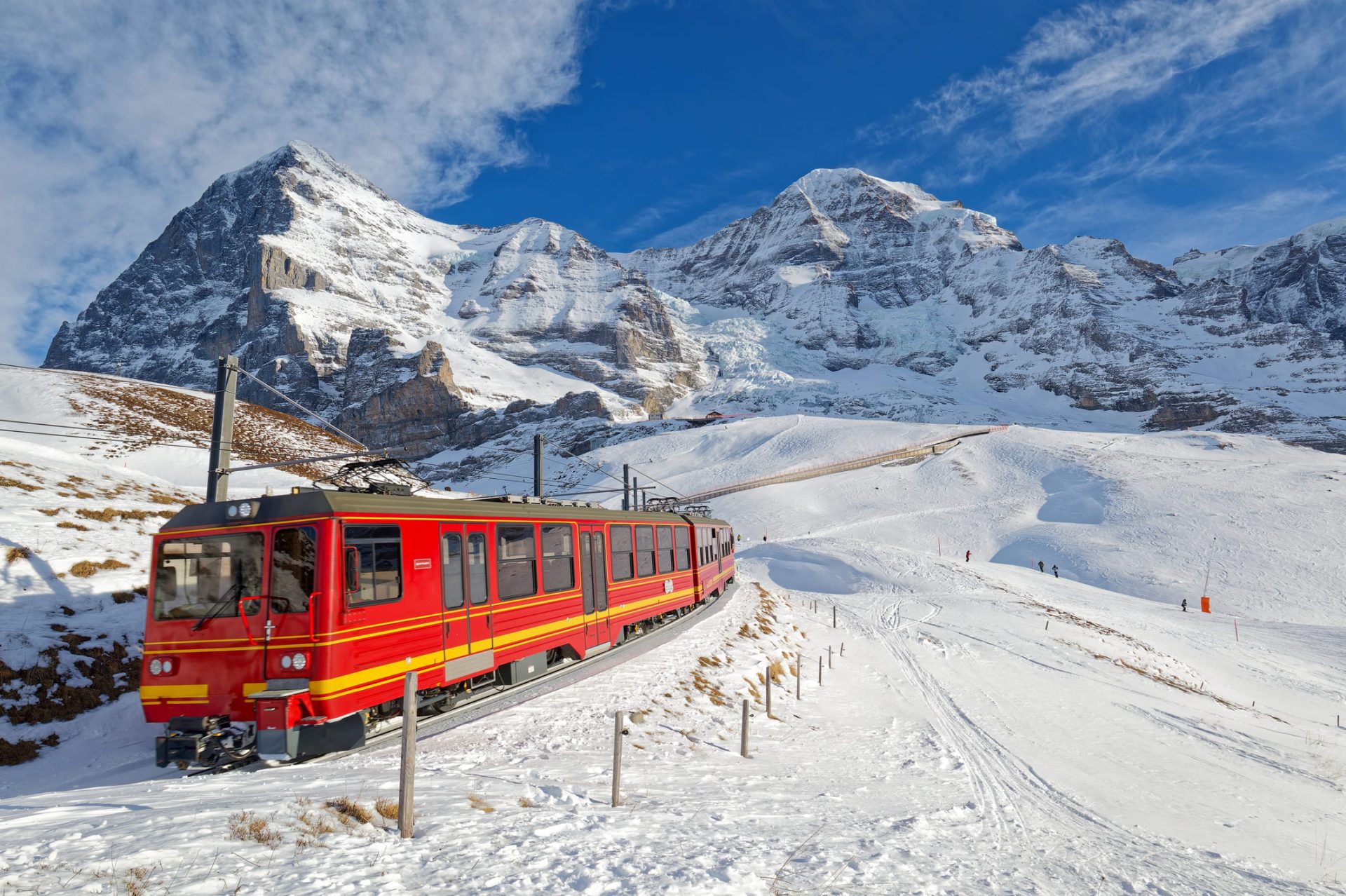
From Interlaken you continue into the valley to Grindelwald and board the Eiger Express gondola. As the cabin rises, look out of the window at the vast north face of the Eiger, nearly 1,800 metres of sheer rock and ice. The Eiger was first climbed in 1858, but its north face remained unconquered until 1938, and its history of dramatic climbs has made it one of the most famous mountain walls in the world. In just a few minutes you're high above the valley, with chalets and pine trees shrinking below.

At the top of the gondola, you change to the Jungfrau Railway, which climbs through a tunnel inside the mountains. The neighbouring peaks have their own history: the Jungfrau was first climbed in 1811, and the Mönch, between the Eiger and the Jungfrau, in 1857. Riding through the darkness of the tunnel, you can only imagine the effort it took to dig it more than a hundred years ago. Then the train arrives at Jungfraujoch, at 3,454 metres the highest railway station in Europe.

Step out slowly; the air is thinner up here, and it's wise to move gently and drink water. Then follow the route through the mountain. The Alpine Sensation is a long, colourful tunnel that tells the story of the Jungfrau Railway and of Swiss mountain life, with a huge glittering snow globe at its heart. The Ice Palace takes you through passages carved into the glacier itself, with walls of solid ice and sculptures that glow in blue light.

Then comes the moment you've been waiting for. A lift carries you up to the Sphinx terrace, and the whole Alpine world opens up before you. Below lies the Great Aletsch Glacier, a river of ice sweeping away between the peaks for around 20 kilometres. Around you rise snow-covered summits, many of them over 4,000 metres high. The whole region, the Swiss Alps Jungfrau-Aletsch, is a UNESCO World Heritage Site, protected as one of the most spectacular mountain landscapes on earth. On a clear day, the sky is a deep, intense blue, the snow is blinding white, and the silence is almost total. Breathe it in.

Out on the snow plateau, you can walk on the glacier, throw snowballs, build a small snowman and pose with a Swiss flag against the peaks. Here's a lovely idea for a souvenir: Jungfraujoch has one of the highest post offices in Europe, and you can send a postcard home from the Top of Europe, stamped with a special postmark. Imagine your family receiving it back in India.

After lunch, you descend by train and gondola back to the valley, watching the glaciers disappear behind you. In Interlaken there's time for a stroll along the main street, lined with grand old hotels and shops selling Swiss watches, chocolate, cheese and souvenirs. Treat yourself to a hot chocolate in a café as the mountains turn pink in the last of the daylight.

In the evening you return to your hotel for dinner, and the conversation around the table will be all about one thing: the day you stood at the Top of Europe.

Next to the Jungfrau region lies the Lauterbrunnen valley, a deep, narrow valley with sheer rock walls, often described as one of the most beautiful valleys in the Alps. Dozens of waterfalls pour off its cliffs, the most famous being the Staubbach Falls, which drop nearly 300 metres and dissolve into a veil of mist before they reach the ground. The German poet Goethe was so moved by them that he wrote a poem about them. The writer J.R.R. Tolkien hiked here as a young man in 1911, and many believe the valley inspired Rivendell, the hidden valley of the elves in The Lord of the Rings.

Included today: Interlaken, Jungfraujoch – Top of Europe excursion with the Eiger Express gondola and Jungfrau Railway, Alpine Sensation, Ice Palace, Sphinx terrace, breakfast, lunch, dinner.

Good to know: it's very cold at the top in December, often well below zero, so wear thermal layers, a warm jacket, gloves, a hat and sunglasses, and use sunscreen. Weather in the mountains can change quickly. Travellers with heart or breathing conditions should check with their doctor before going to high altitude.

Day 8
29 Dec · Mt. Titlis, Lucerne and Lindt Home of Chocolate | Snow, a lakeside town and chocolate

29 Dec · Mt. Titlis, Lucerne and Lindt Home of Chocolate | Snow, a lakeside town and chocolate

⌖ Central Switzerland 🍽 Meals: Breakfast, Lunch, Dinner

Your last full day in Switzerland brings you snow on a glacier, a storybook lakeside town and Switzerland's sweetest tradition. After breakfast, the coach drives into the Engelberg valley, where Mt. Titlis rises at its head, its snowy summit and glacier shining above the dark forests.

The ride to the top is part of the fun. Small gondolas lift you over the forests to the mountain lake of Trübsee, frozen and white in winter. A larger cable car carries you on to Stand, and then you board the Rotair, the revolving cable car. As it climbs the final rock face, the cabin floor turns slowly, so every passenger enjoys the full panorama: the glacier just beneath, its deep crevasses glowing blue, and the peaks of Central Switzerland all around. On a clear day you can see as far as the Bernese Alps, where you stood yesterday.

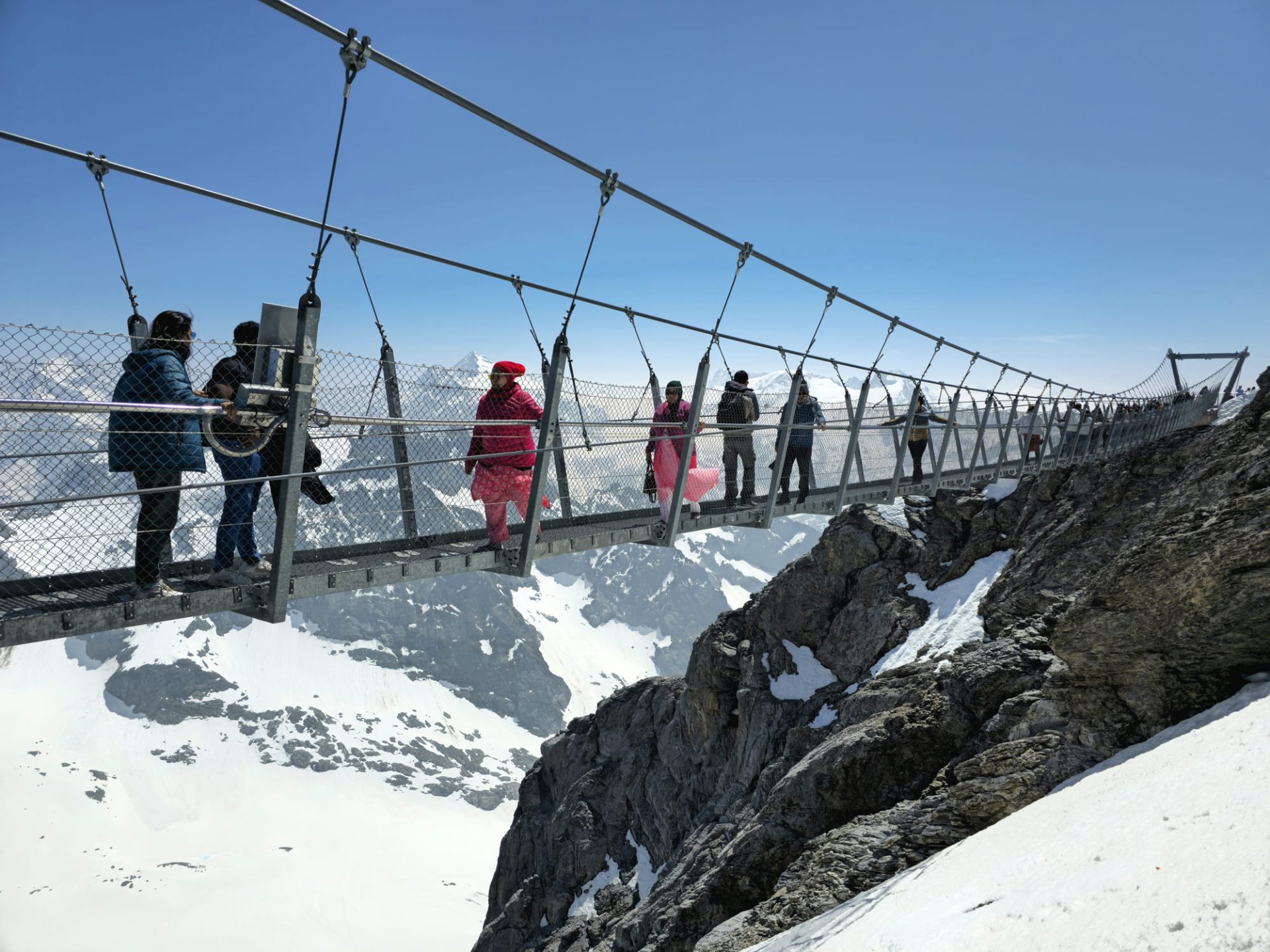
At 3,020 metres, you step out onto a world of snow. Cross the Titlis Cliff Walk, Europe's highest suspension bridge, swaying gently above a 500-metre drop, and feel your heart race. Then go inside the mountain to the Glacier Cave, a tunnel cut into the ice, where the frozen walls glow in soft blue light. Outside, you can play in the snow, and if the weather allows, ride the Ice Flyer, an open chairlift that glides low over the glacier and its crevasses. Snowball fights between grown-up travellers are not unusual up here.

After coming down, you drive to Lucerne, set on the shore of its lake with the River Reuss flowing out through the old town. Your orientation tour starts at the Lion Monument. It was designed by the Danish sculptor Bertel Thorvaldsen and carved into the sandstone cliff in 1820 and 1821 to honour the Swiss Guards who died defending the French king in Paris in 1792. The great lion lies dying, a broken spear in his side, with his paw resting on a shield bearing the French royal lily. It's simple, powerful and very moving.

Then you walk into the old town, a maze of cobbled lanes and squares like the Weinmarkt and Kornmarkt, where medieval and Renaissance houses are decorated with colourful painted facades. On the riverbank stands the Jesuit Church, the first large baroque church in Switzerland, white and elegant, with a dazzling pink and gold interior. And then the Chapel Bridge, the covered wooden bridge that has crossed the river since the 1300s, with its flower boxes and octagonal stone tower standing in the water. Lucerne is also famous for its carnival, Fasnacht, held in February, when the streets fill with masked figures and brass bands playing deliberately wild, off-key music. Even in winter, you may spot carnival masks in the shop windows.

There's free time to shop, and Lucerne is the place to do it: Swiss watches, from classic brands to everyday models, Swiss Army knives that can be engraved with a name, music boxes and cuckoo clocks.

The day ends with a visit to the Lindt Home of Chocolate in Kilchberg, on the shores of Lake Zurich. Lindt's story began in Zurich in 1845, when the confectioner David Sprüngli and his son started making chocolate, and it later joined with Rodolphe Lindt, whose smooth, melting chocolate revolutionised the industry. The famous Lindor balls, with their hard shell and soft, melting centre, were first created in 1949. The museum takes you through the whole story of chocolate, from cocoa farms in the tropics to modern Swiss factories, and through glass walls you can see a working production line making chocolate. As you walk in, the giant chocolate fountain rises in the hall, and along the way there are generous tastings, so you can try different kinds of chocolate as you learn. Finish in the enormous Lindt shop, full of chocolates to take home.

Tonight is your last night in Switzerland, so enjoy dinner with the group and perhaps a final walk in the cold, clear air. Tomorrow you cross two more borders, into the tiny principality of Liechtenstein and the Austrian Tyrol.

It's no wonder the Swiss are proud of their chocolate. They eat around 10 kilograms of it per person every year, among the highest amounts in the world. Swiss children grow up with chocolate on bread for breakfast, chocolate in their lunchboxes and hot chocolate in winter, and every family has its favourite brand. After today, you'll probably have yours too.

Included today: Mt. Titlis with the Rotair, Cliff Walk and Glacier Cave, Lucerne orientation tour, Lindt Home of Chocolate, breakfast, lunch, dinner.

Good to know: it's very cold at the top of Titlis, so wear warm layers, gloves and sunglasses. The Ice Flyer and snow activities depend on the weather. Keep chocolates in a cool place, away from the heater in your hotel room.

Day 9
30 Dec · Liechtenstein, Swarovski Crystal Worlds and Innsbruck | A tiny country, a crystal wonderland and the Tyrol

30 Dec · Liechtenstein, Swarovski Crystal Worlds and Innsbruck | A tiny country, a crystal wonderland and the Tyrol

⌖ Innsbruck / Seefeld 🍽 Meals: Breakfast, Lunch, Dinner

Today you add two more countries to your journey, including one that most travellers never set foot in. After breakfast you say goodbye to Central Switzerland and drive east, along lakes and through valleys, towards the Rhine valley and the border with Liechtenstein.

Liechtenstein is one of the smallest countries in the world, only about 160 square kilometres, smaller than many Indian cities, with a population of around 40,000 people. It's a principality, ruled by a prince whose family has given the country its name, and it sits between Switzerland and Austria, tucked against the Alps along the River Rhine. It's one of only two countries in the world that are "doubly landlocked", meaning they're surrounded only by other landlocked countries. Liechtenstein has no army: it was abolished in 1868, and the country has stayed peaceful ever since. It uses the Swiss franc, and you can cross into it from Switzerland without even noticing a border. Small as it is, it's one of the wealthiest countries in the world, and it has a surprising speciality: it's home to one of the world's leading makers of artificial teeth.

Your visit is to Vaduz, the capital, which feels more like a charming small town than a national capital. A mini train takes you on a tour through its streets, past the parliament building, the government offices, the neo-Gothic cathedral and the museums. High above the town, on a rocky ledge against the mountainside, stands Vaduz Castle, the official residence of the Prince of Liechtenstein. It's still the royal family's home, so it's not open to visitors, but it makes a magnificent backdrop for photographs. Liechtenstein is also famous among collectors for its beautiful postage stamps, so if you'd like an unusual souvenir, look for a set in the town centre.

After Vaduz, you cross into Austria, the seventh country of your tour, and drive through the Tyrol, a land of high mountains, deep valleys and snow-covered villages with onion-domed churches. The road climbs and winds through the Alps, and in winter the scenery is spectacular, with frozen waterfalls on the cliffs and ski slopes glinting in the sun.

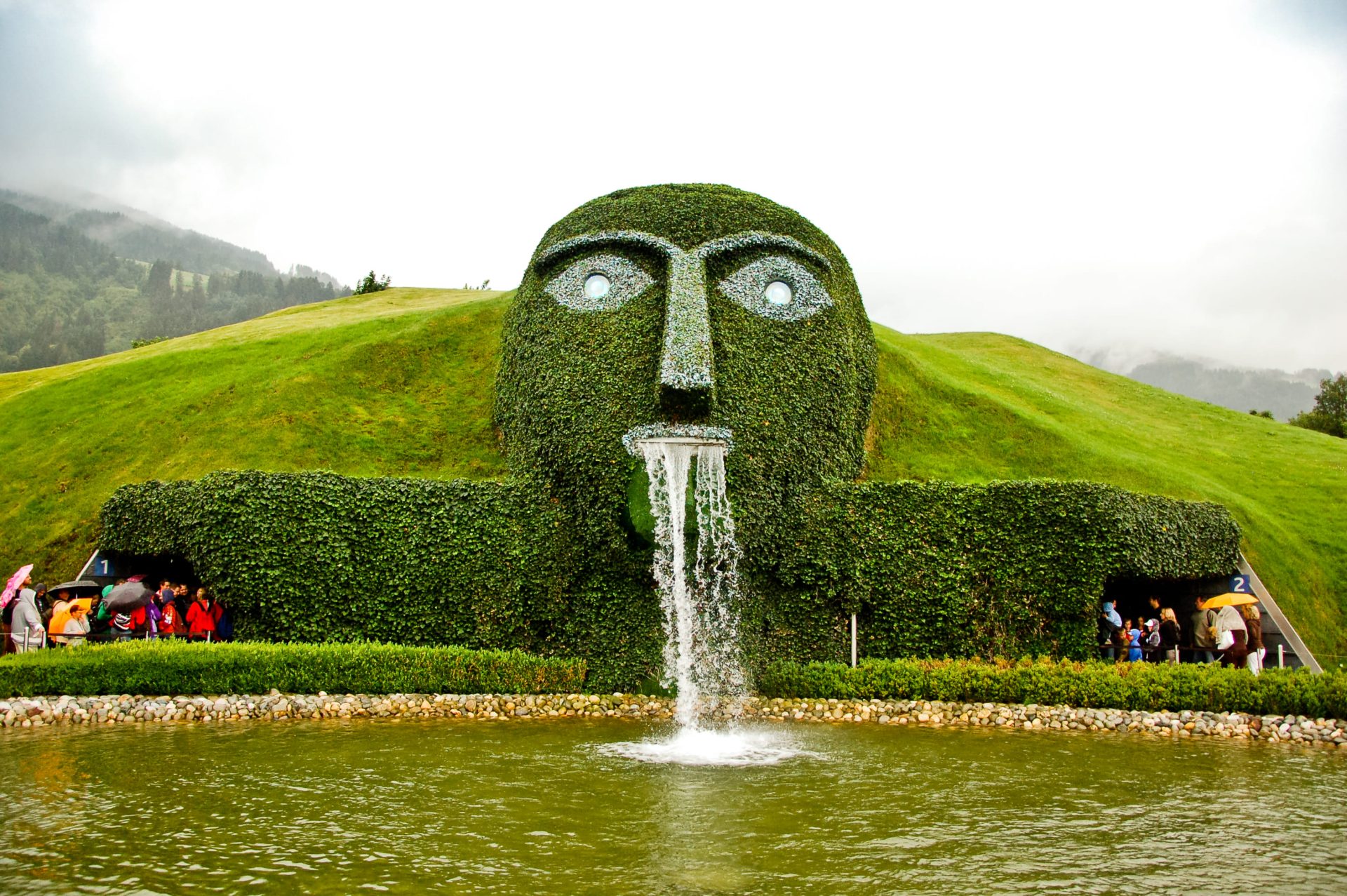
In the afternoon you arrive at Wattens and the Swarovski Crystal Worlds. The story of Swarovski began when Daniel Swarovski, a young glass cutter from Bohemia, came to the Tyrol in 1895 with a revolutionary idea: a machine that could cut crystal far more precisely than any human hand. He chose this valley partly because its fast mountain rivers could power his workshops. Today Swarovski crystals are known around the world, and the Crystal Worlds is a magical place to discover them. Above the entrance, a giant face covered in grass gazes out over the gardens, with eyes of shining crystal and water flowing from its mouth. Inside, a series of artistic rooms, each designed by a different artist, plays with crystal, light, sound and colour, creating spaces that feel like stepping into a dream. Out in the gardens, a colourful carousel decorated with thousands of crystals turns slowly, and a playtower invites children to climb and explore. At this time of year, the gardens are often lit up with festive lights after dark. The store is the perfect place for a special gift: a piece of crystal jewellery, a sparkling figurine or a Christmas ornament.

A short drive brings you to Innsbruck, the capital of the Tyrol. Innsbruck is a city where nature and history meet: the rooftops of the old town are backed by a great wall of mountains, and you can take a cable car from the city centre almost straight up to the snow. Look out for the futuristic stations of the funicular railway that climbs towards the Nordkette mountains, designed by the architect Zaha Hadid, who also designed the city's dramatic Olympic ski jump on the Bergisel hill. On your orientation tour, you see the most famous view in the city: the row of colourful old houses along the banks of the River Inn, painted in red, yellow, blue and green, with the snowy mountains rising behind them. In the old town, you'll find the Golden Roof, shining with gilded copper tiles, the elegant Maria-Theresien-Strasse, and narrow lanes lined with shops selling Tyrolean crafts, warm woollens and local specialities.

In the evening you check in to your hotel in the Tyrol and sit down to dinner. You've visited two countries today, and tomorrow brings the eighth: Italy, and New Year's Eve in Venice.

If you're lucky enough to find a bakery or café open in the Tyrol, look for Austrian Christmas biscuits. Vanillekipferl, little crescent-shaped biscuits made with ground almonds or walnuts and rolled in vanilla sugar, melt in your mouth and are baked in almost every Austrian home in December. Austrian families often bake several kinds of Christmas biscuits weeks in advance, and offering a plate of them to guests is part of the season's hospitality.

Included today: Vaduz mini train ride, Swarovski Crystal Worlds entry, Innsbruck orientation tour, breakfast, lunch, dinner.

Good to know: today has long coach journeys through the mountains, so keep snacks, water and a warm layer with you. The mini train in Vaduz depends on winter operating conditions.

Day 10
31 Dec · Venice – private boat to St. Mark's Square and gondola ride | New Year's Eve on the canals

31 Dec · Venice – private boat to St. Mark's Square and gondola ride | New Year's Eve on the canals

⌖ Padova / Ferrara 🍽 Meals: Breakfast, Lunch, Dinner

The last day of the year, and you spend it in Venice. After breakfast you cross the Alps by the Brenner Pass and enter Italy, the eighth country of your tour. The road descends through South Tyrol, past castles on rocky outcrops and vineyards on the hillsides, and on to the wide plains of the Veneto. Then, at the edge of the lagoon, you leave the coach and step aboard a private boat for the most beautiful arrival in Europe.

As the boat crosses the lagoon, look around you. The Venetian lagoon is dotted with islands, each with its own character. On Murano, glassmakers have worked for more than 700 years; in the Middle Ages, the Venetian government moved all glass furnaces to the island, partly to protect the city from fire and partly to keep the secrets of glassmaking safe. On Burano, fishermen's houses are painted in brilliant colours, and the island is famous for its handmade lace. Venice itself gave the world some surprising words: the word "quarantine" comes from the Venetian practice of keeping arriving ships isolated for forty days, quaranta giorni, during times of plague. At its height, the city's great shipyard, the Arsenal, was the largest industrial complex in Europe, and it was said to be able to build a complete war galley in a single day.

The boat brings you to St. Mark's Square, with the golden domes of St. Mark's Basilica, the soaring Bell Tower and the Clock Tower all around, and the pink and white Doge's Palace on the waterfront. Walk to the little Bridge of Sighs, and look out across the water to the island of San Giorgio Maggiore, with its white church and tall bell tower. Even in winter, the square is lively, with music drifting from the historic cafés and visitors from all over the world.

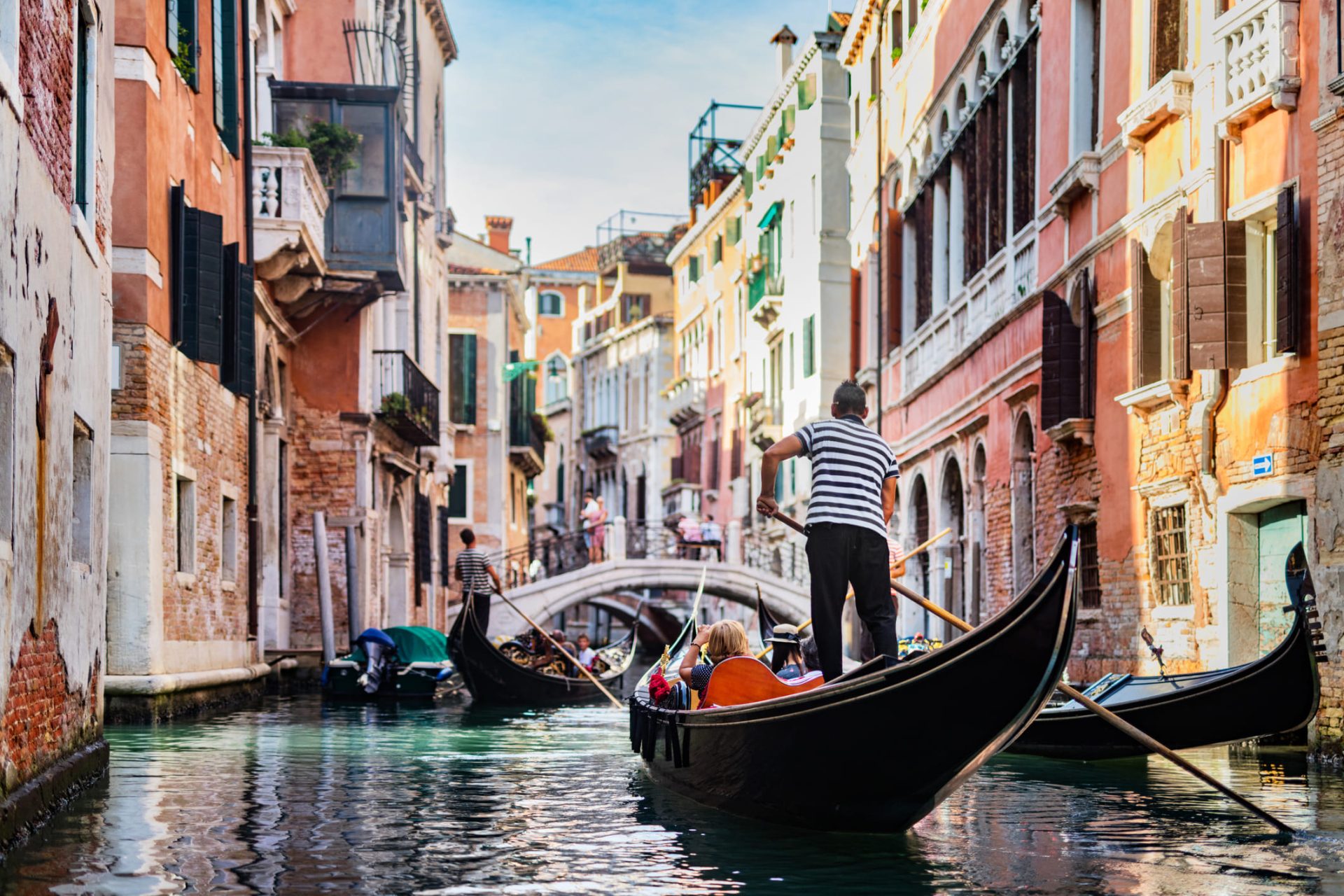
Then it's time for your gondola ride. Your gondolier, in his traditional striped shirt and straw boater hat, welcomes you aboard and pushes off into the canal. Gondoliers are highly skilled: they train for years and must pass a demanding exam before they're licensed. Watch how he steers the long, slender boat with a single oar, resting it in a carved wooden oarlock called a forcola, twisting and turning through narrow canals with astonishing precision. As you glide through quiet side canals, the noise of the city fades. Faded palaces rise from the water, their doors opening straight onto the canal, and little bridges pass overhead with people stopping to wave. Every corner reveals a new scene: a hidden garden, a balcony full of plants, a shrine with flowers on a wall, light reflecting in rippling patterns on old stone. It's quiet, timeless and deeply romantic.

After the gondola ride, there's free time to explore. Wander the narrow lanes, cross the Rialto Bridge over the Grand Canal, and browse shops selling Murano glass, Burano lace and carnival masks. In the old Jewish quarter of Cannaregio, you'll find the original ghetto: Venice is where the word itself was born, in 1516. Stop in a café for a hot chocolate, thick and rich in the Italian style, and watch Venice go about its day.

In the late afternoon, the boat takes you back across the lagoon as the sun sinks low and the domes and towers glow in the evening light. The coach then takes you to your hotel near Padova.

Then the countdown begins. Tonight is New Year's Eve, and the group celebrates together at the New Year's Eve gala dinner, with a festive menu with Jain, vegetarian and non-vegetarian options, music and laughter. You've travelled through eight countries together, and the stories at the table will be endless. As midnight approaches, glasses are raised, the countdown starts, and across Italy, fireworks burst into the sky and church bells ring. In Venice itself, fireworks light up the water around St. Mark's, and tomorrow, Venice's famous opera house, La Fenice, holds its New Year's concert, broadcast across Italy. Happy New Year: you've welcomed it in one of the most beautiful countries on earth.

As you explore, notice that Venice has no cars, no buses and no bicycles. Everything travels by water or on foot. The city's buses are boats called vaporetti, taxis are sleek wooden motorboats, and there are even ambulance boats, fire boats, police boats and rubbish-collection boats. Deliveries arrive by barge and are wheeled through the lanes on trolleys, bumping up and down the steps of the bridges. Without the sound of traffic, the city has a special calm. Listen and you'll hear footsteps on stone, voices echoing in the lanes, church bells and the soft lapping of water against the walls.

Included today: coach to Venice via the Brenner Pass, private boat across the lagoon to St. Mark's Square, gondola ride, New Year's Eve gala dinner, breakfast, lunch.

Good to know: in winter, Venice sometimes has acqua alta, high tides that briefly flood parts of the city; raised walkways are put out and the water usually recedes within a few hours. Wear waterproof shoes, and keep bags and phones close in crowded places.

Day 11
1 Jan · Florence guided walking tour and Leaning Tower of Pisa | New Year's Day in Tuscany

1 Jan · Florence guided walking tour and Leaning Tower of Pisa | New Year's Day in Tuscany

⌖ Tuscany 🍽 Meals: Breakfast, Lunch, Dinner

Buon anno! Happy New Year! You begin 2027 in Tuscany, the heartland of Italian art. After a relaxed breakfast, the coach crosses the plains and climbs over the Apennine mountains, the long spine of Italy, and descends into the soft, rolling Tuscan landscape of olive groves, vineyards, stone farmhouses and lines of tall, dark cypress trees. On New Year's morning, the roads are calm and the countryside is quiet.

Your first stop is Florence. It's hard to overstate how much this one city has given the world. In the Middle Ages, Florence's bankers and wool merchants grew so rich that the city's gold coin, the florin, first minted in 1252, became trusted currency across Europe. That wealth paid for an explosion of art, architecture and ideas that we now call the Renaissance. The Medici family, bankers who became the rulers of Florence, supported artists like Botticelli, Leonardo da Vinci and Michelangelo. Many of the greatest works of Western art were created within a few streets of where you'll walk today, and the Uffizi Gallery, by the river, holds treasures such as Botticelli's Birth of Venus.

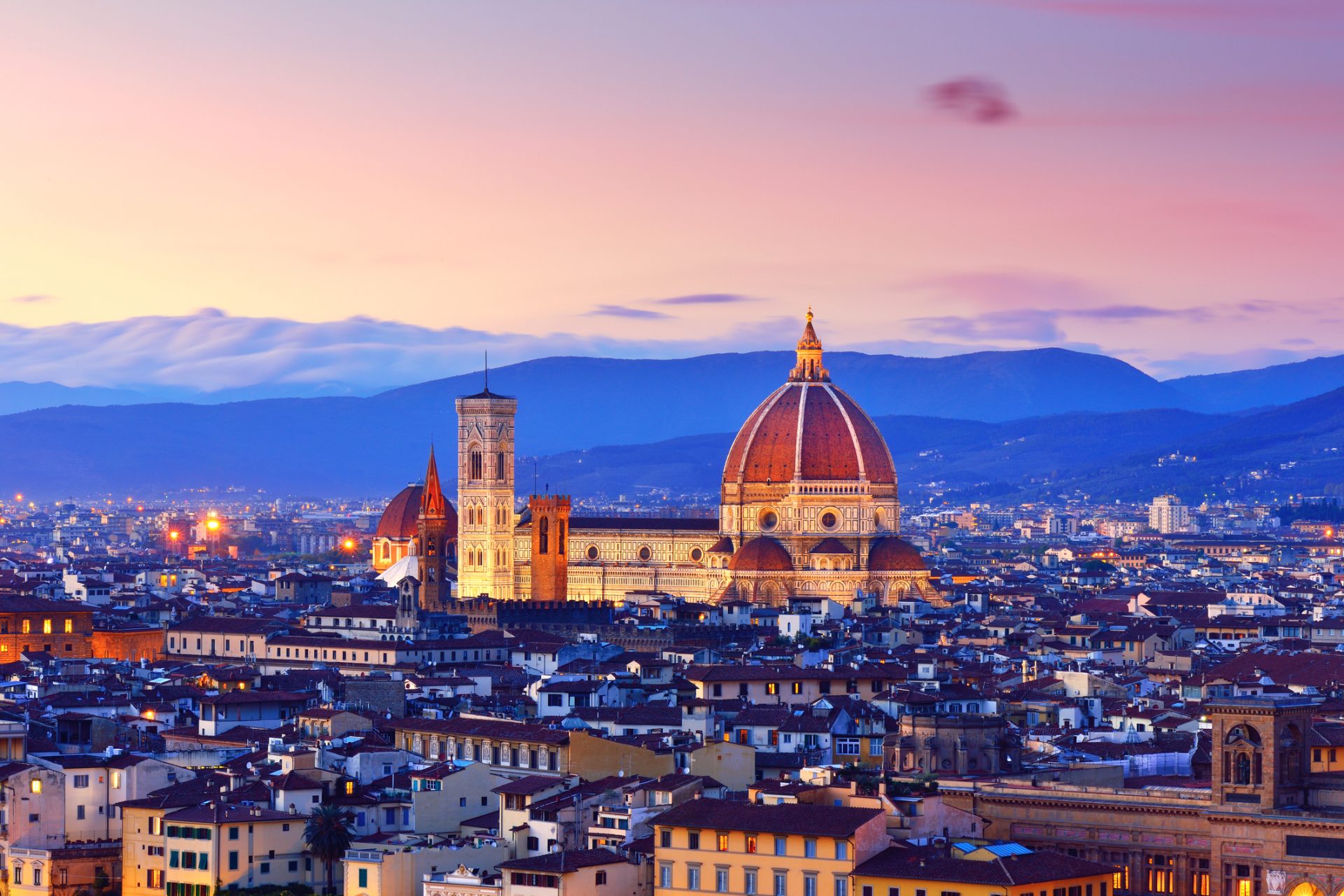
Your English-speaking local guide leads you through the historic centre on foot. At the Piazza del Duomo, the cathedral stops everyone in their tracks with its patterned marble walls of white, green and pink. Surprisingly, this famous facade is much younger than the rest of the cathedral: it was only completed in 1887, after centuries of the front being left plain. Above it rises Brunelleschi's magnificent red dome, the symbol of Florence, and beside it Giotto's slender bell tower, whose 414 steps lead to one of the best views over the city. Across the square stands the Baptistery, with its golden bronze doors, one of the first great works of the Renaissance.

The walk continues through the narrow streets to Piazza della Signoria, the city's open-air museum of sculpture, overlooked by the tall tower of the Palazzo Vecchio. Close by, in a covered market, stands Il Porcellino, a bronze statue of a wild boar. Florentine tradition says that if you rub its snout and put a coin in its mouth so that it falls through the grate below, you'll return to Florence; its nose has been polished to a golden shine by millions of hands. Florence is also famous for its leather: in the markets and workshops of the city, you'll find leather jackets, bags, belts and wallets, many handmade in Tuscany. And the Florentines will tell you, with some pride, that gelato as we know it was first created here in the 16th century for the Medici court, so a cone of Florentine gelato is almost a duty, even in winter.

Then you reach the Ponte Vecchio, the medieval bridge lined with goldsmiths' shops, their windows sparkling with jewellery, with the River Arno flowing quietly below and the hills of Tuscany beyond.

In the afternoon you drive west to Pisa. In the Middle Ages, Pisa was a powerful maritime republic whose fleets competed with Venice and Genoa across the Mediterranean, and the treasures brought home by its merchants paid for the Square of Miracles, where the cathedral, the Baptistery and the bell tower stand on a vast green lawn. The cathedral has its own legend: it's said that the young Galileo, watching a lamp swinging from its ceiling during a service, noticed that each swing took the same time, and this observation led him towards the science of the pendulum.

And then there's the tower, leaning at an angle that looks impossible. It's about 56 metres tall, with 294 steps winding up to its seven bells. It began to tilt soon after construction started in 1173 because the ground beneath it is soft, and for 800 years it has been a puzzle and a wonder. Take the photo everyone takes, holding it up with your hands, and then simply look at it for a moment: it really is astonishing that it still stands.

In the evening you check in to your hotel in Tuscany for dinner and a well-earned rest. It's been a wonderful first day of the year.

If you sit down to a Tuscan meal, you may notice something unusual about the bread: traditional Tuscan bread is made without salt. One popular story says that in the Middle Ages, when rival Pisa blocked salt shipments to Florence, the Florentines simply learned to bake without it. Whatever the truth, the plain bread is perfect with salty cheeses and the region's green olive oil, and nothing is wasted. Stale bread goes into ribollita, a thick, warming soup of vegetables, beans and bread, a Tuscan winter classic that also happens to be vegetarian. On a cold New Year's Day, there are few better things to eat.

Included today: guided Florence walking tour, Leaning Tower of Pisa photo stop, breakfast, lunch, dinner.

Good to know: 1 January is a public holiday in Italy, so many shops, museums and restaurants are closed or open shorter hours. Wear comfortable shoes and a warm jacket for the walking tour.

Day 12
2 Jan · Rome and Vatican City – Vatican Museums, Sistine Chapel and St. Peter's Basilica | The treasures of Rome

2 Jan · Rome and Vatican City – Vatican Museums, Sistine Chapel and St. Peter's Basilica | The treasures of Rome

⌖ Rome 🍽 Meals: Breakfast, Lunch, Dinner

Your last full day is the richest of the whole tour: a day in Rome and the Vatican, among some of the greatest works of art ever created. After an early breakfast, the coach drives south from Tuscany, and by mid-morning you reach the Eternal City.

You begin in Vatican City, the world's smallest country and the home of the Pope. With your guide, you enter the Vatican Museums, one of the largest and most important art collections on earth. The museums began in 1506, when Pope Julius II put a newly discovered ancient Roman statue, the Laocoön, on display, and over the centuries the popes added treasures from every age. Today the galleries stretch for several kilometres, and it's said that you could spend months here without seeing everything.

Your guide leads you through the highlights. You'll walk through courtyards of ancient Roman and Greek statues, including the Laocoön itself, showing a priest and his sons struggling with sea serpents, carved with such drama that it still astonishes visitors 2,000 years later. In the Gallery of Maps, a corridor about 120 metres long, the walls are covered with huge painted maps of Italy from the 16th century, and the ceiling glitters with gold. In the Raphael Rooms, painted by the young Raphael for the Pope, you'll see the School of Athens, a painting of the great philosophers of ancient Greece, in which Raphael gave some of them the faces of artists of his own time, including Leonardo and Michelangelo.

And then you enter the Sistine Chapel. This is the chapel where cardinals gather to elect a new Pope, sending up white smoke from the chimney when a decision has been made; the most recent election took place here in May 2025. Look up: the entire ceiling is covered by Michelangelo's paintings, which he created between 1508 and 1512, working standing up on scaffolding, with his head tilted back, for four years. Scenes from the Book of Genesis unfold across the ceiling, and at the centre is the most famous image of all, the Creation of Adam, in which God reaches out to give life to Adam, their fingers almost touching. On the wall behind the altar is Michelangelo's Last Judgement, which he painted more than twenty years later, a vast swirling vision of heaven and hell. The chapel is kept silent and photography is not allowed, so simply stand, look and let it sink in. Many visitors describe it as one of the most moving moments of their lives.

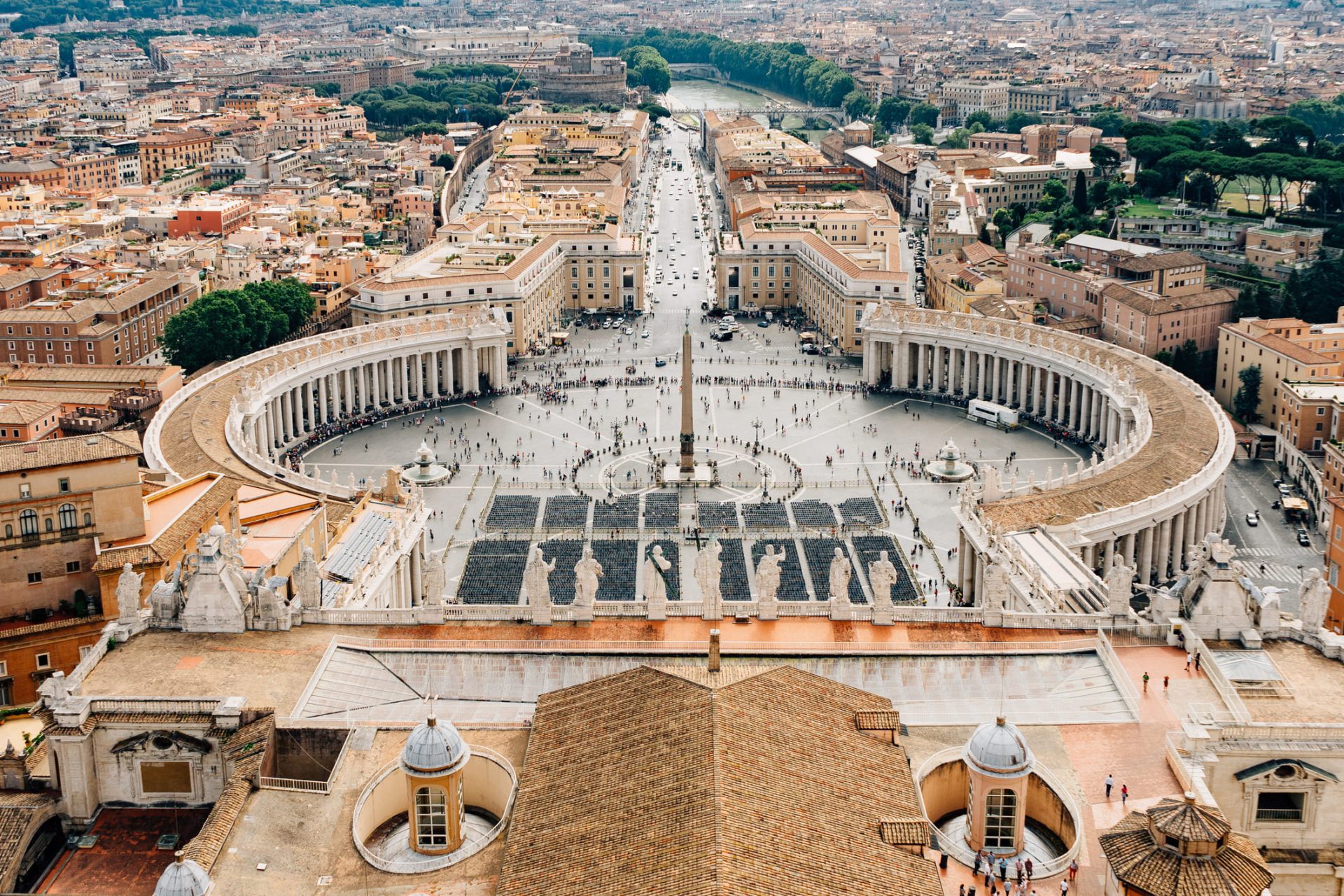
From the Sistine Chapel, you go on to St. Peter's Basilica, the greatest church in Christendom, beneath Michelangelo's soaring dome, with Bernini's bronze canopy over the altar and the serene marble Pietà near the entrance.

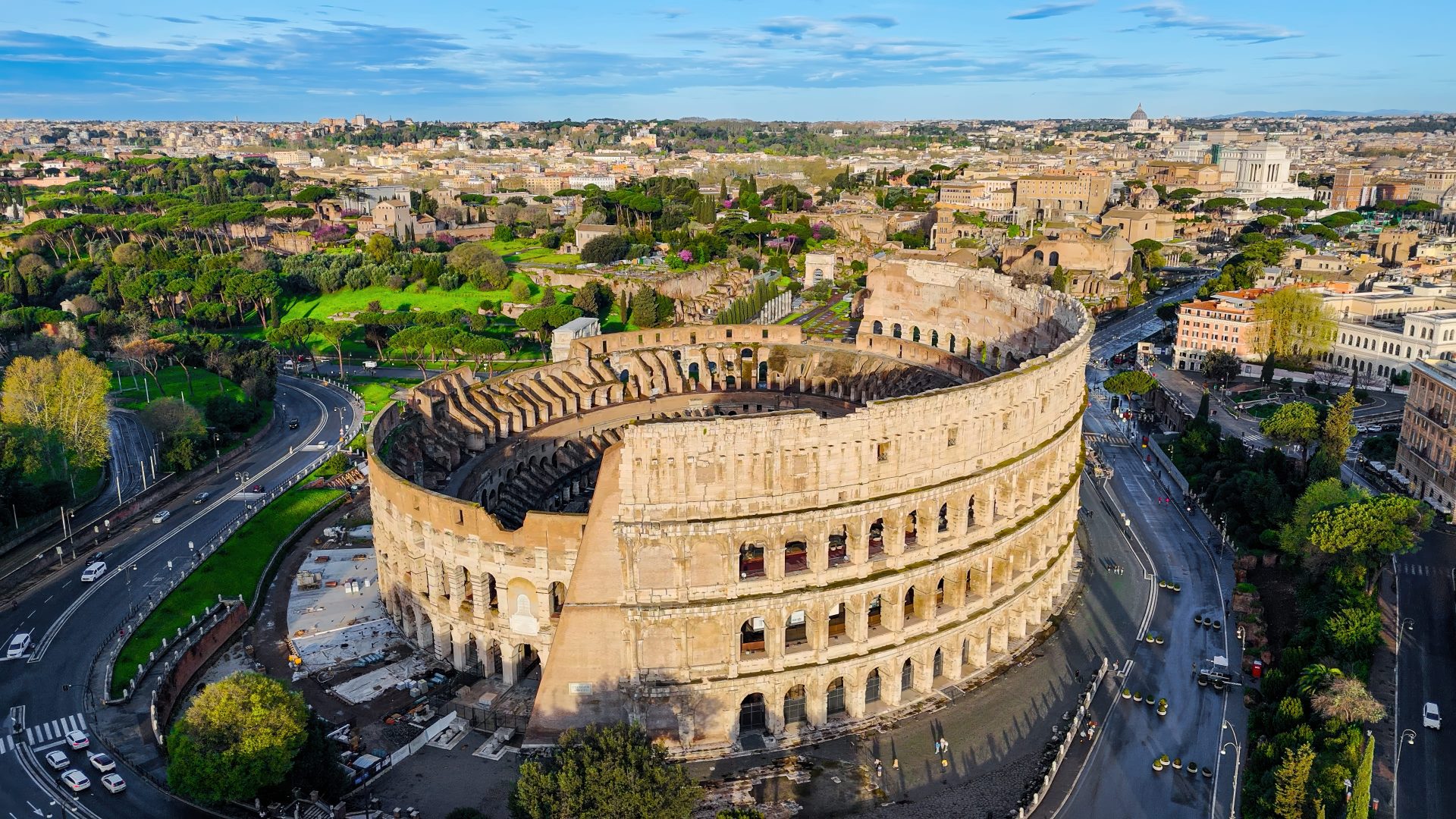
After lunch, an orientation tour shows you the layers of Rome's history. You'll pass the Colosseum, the great amphitheatre where gladiators fought before tens of thousands of spectators; the ruins of the Roman Forum, once the political heart of an empire that stretched across three continents; and the white marble Victor Emmanuel II Monument, built to honour the first king of a united Italy. The day ends at the Trevi Fountain, where the water cascades over carved rocks into a turquoise pool. Turn your back, throw a coin over your shoulder, and make your wish to return.

Tonight the group gathers for a farewell dinner. After thirteen days and nine countries together, there'll be laughter, stories and, perhaps, a few tears. It's the end of a journey you'll remember for the rest of your life.

Keep an eye out in the Vatican for the Swiss Guards in their striking uniforms of blue, red and yellow stripes. They have protected the Pope since 1506, making them one of the oldest military units in the world still in service. Every guard must be a Swiss citizen, a Catholic and a trained member of the Swiss army. Their colourful uniforms are often said to have been designed by Michelangelo, but that's a legend; the current style dates from the early 20th century.

The Vatican is a real country, with its own flag, its own stamps and its own post office. Sending a postcard from Vatican City, with a Vatican stamp, is a lovely souvenir for family or friends back in India, and for many of our travellers it's a highlight of the day. Look for the yellow Vatican post boxes near St. Peter's Square; only Vatican stamps can be used in them.

Included today: guided Vatican Museums and Sistine Chapel visit, St. Peter's Basilica, Rome orientation tour, Trevi Fountain, breakfast, lunch, dinner.

Good to know: shorts and sleeveless tops are not allowed in the Vatican; cover your shoulders and knees. The Vatican Museums queue can be about 1½ hours; if tickets are not available, the group visits the Colosseum with entry instead. No photography is allowed in the Sistine Chapel.

Day 13
3 Jan · Departure from Rome | Home with nine countries and a new year

3 Jan · Departure from Rome | Home with nine countries and a new year

⌖ Rome 🍽 Meals: Breakfast

Thirteen days ago you landed in Paris as strangers. Today you fly home as friends, with nine countries, two great celebrations and a lifetime of memories behind you.

This morning, take your time. Enjoy breakfast slowly, with a proper Italian espresso or a cappuccino and a sweet cornetto, the Italian cousin of the croissant, often filled with cream or jam. Outside, Rome is waking up to an ordinary working day after the holidays, with scooters buzzing, shutters rolling up and the smell of coffee drifting from the bars. It's a good moment to sit back and remember how far you've travelled.

You spent your first days in Paris, at the top of the Eiffel Tower, in the Hall of Mirrors at Versailles and on the Seine, and Christmas Eve at Disneyland® with a gala dinner to follow. On Christmas Day you stood in the golden Grand Place of Brussels and walked among the tiny monuments of Mini-Europe. You saw the windmills of Holland and cruised Amsterdam's canals, touched the history of Heidelberg, tasted Black Forest cake in the Black Forest and felt the spray of the Rhine Falls. You stood in the snow at Jungfraujoch, the Top of Europe, rode the revolving cable car up Mt. Titlis, walked across Lucerne's wooden bridges and tasted chocolate at Lindt. You rode a little train through Liechtenstein, marvelled at the Swarovski Crystal Worlds and explored Innsbruck. You glided through Venice in a gondola on New Year's Eve and welcomed the New Year together. You walked through Renaissance Florence, held up the Leaning Tower of Pisa, and finally stood beneath Michelangelo's ceiling in the Sistine Chapel. It's an extraordinary list, and you did it all in thirteen days.

Before checking out, pack carefully. You've shopped across nine countries, so your bags are probably heavier than when you arrived. Wrap fragile items, such as crystal, Murano glass, Italian ceramics or a cuckoo clock, in clothes and place them in the centre of your suitcase. Knives and liquids over 100 ml go in your checked baggage. Keep your passport, tickets, medicines and a warm layer in your hand luggage. If you shopped tax-free, keep the forms, receipts and goods together, as they may need to be checked at the airport before you check in.

The coach then takes you to Rome Fiumicino, the city's main airport, near the coast about 30 kilometres from the centre. Its official name honours Leonardo da Vinci, the genius from Tuscany who dreamed of flying machines centuries before the first aeroplane.

This is the time to say thank you to your tour manager, who has guided you through nine countries, two celebrations and hundreds of kilometres of mountain roads, and to the coach drivers who brought you safely all the way. Swap contact details with your new friends; the group photos will soon be filling your phones.

At the airport, there's time for one last Italian treat: a final espresso, a slice of pizza, or a box of Italian chocolates or panettone for those waiting at home.

As your plane lifts off over the Mediterranean and turns towards India, look down at the coastline of Italy one last time. You'll be carrying home Christmas in Paris, snow in the Alps, New Year in Venice and the treasures of Rome. And with a coin in the Trevi Fountain, you know you'll be back.

There's an old saying: "All roads lead to Rome." In ancient times it was almost literally true. The Romans built more than 80,000 kilometres of paved roads across their empire, from Britain to the Middle East, and in the Roman Forum stood a gilded marker, the Golden Milestone, from which distances across the empire were measured. Some of those roads still exist. The Appian Way, begun in 312 BC, leaves the south of Rome lined with umbrella pines and ancient tombs, and you can still walk on its original stones.

Rome also has a secret view that Romans love to share. On the Aventine Hill, behind a green door belonging to the Knights of Malta, is a small keyhole. Bend down and look through it, and you'll see the dome of St. Peter's Basilica perfectly framed at the end of a garden path lined with hedges. It's a lovely reminder that Rome always has another surprise waiting, and a good reason to come back.

As you head home, you're carrying something few travellers ever experience: Christmas Eve at Disneyland®, Christmas Day in Brussels, New Year's Eve in Venice and New Year's Day in Florence, all in one journey across nine countries. Those memories will last much longer than any souvenir.

Included today: breakfast, group departure transfer to Rome Fiumicino airport.

Good to know: book a flight that leaves at least 3 hours after the group transfer reaches the airport; we'll confirm the transfer time when you book.

Hotel confirmation

Hotel names will be provided after booking, subject to availability and confirmation. We do not hold hotel confirmations before booking.

Inclusions

Accommodation

12 nights in superior 4-star hotels:

  • 3 nights Paris – B&B / Millennium CDG or similar
  • 1 night Netherlands – Amrath / Van der Valk or similar
  • 1 night Germany (Frankfurt area) – Intercity / Elaya or similar
  • 3 nights Central Switzerland – La Maison / Radisson or similar
  • 1 night Innsbruck / Seefeld – Alpenkönig / Hocheder or similar
  • 1 night Padova / Ferrara – Four Points by Sheraton / Blue Dream or similar
  • 1 night Tuscany – Park / Le Fonti or similar
  • 1 night Rome – SHG / Selene / Simon or similar

Meals

  • Daily continental buffet breakfast
  • 11 lunches (Indian / local, Jain / vegetarian / non-vegetarian), packed on the Disneyland day
  • 12 dinners (Indian / local, Jain / vegetarian / non-vegetarian)
  • 500 ml mineral water bottle per person daily

Sightseeing and entrances

  • Guided Paris city tour
  • Eiffel Tower top (3rd) level
  • Guided tour of Versailles Palace
  • River Seine cruise
  • Paris by Night tour
  • Full day at Disneyland® Paris
  • Brussels Grand Place and Manneken Pis
  • Mini-Europe, Brussels
  • Traditional Dutch windmill village
  • Amsterdam glass-top canal cruise
  • Heidelberg Old Town
  • Black Forest cuckoo clock demonstration
  • Rhine Falls
  • Jungfraujoch – Top of Europe and Interlaken
  • Mt. Titlis with the Rotair revolving cable car and Cliff Walk
  • Lucerne orientation tour
  • Lindt Home of Chocolate, Zurich
  • Vaduz, Liechtenstein, with mini train ride
  • Swarovski Crystal Worlds, Wattens
  • Innsbruck – Golden Roof and Maria-Theresien-Strasse
  • Venice – private boat to St. Mark's Square and gondola ride
  • Guided walking tour of Florence
  • Leaning Tower of Pisa photo stop
  • Guided Vatican Museums and Sistine Chapel (or Colosseum entry)
  • St. Peter's Basilica, Vatican City
  • Rome orientation tour and Trevi Fountain

Services

  • Services of a professional tour manager throughout the tour
  • Air-conditioned coach for all transfers and sightseeing
  • Tips for coach drivers
  • Free group airport transfer on arrival at Paris (CDG) for flights landing between 8 am and 2 pm, and on departure to Rome (FCO) with drop by 11 am (see booking terms)
  • Christmas and new year's eve gala dinners included
  • Little extras: a glass of champagne in France, a souvenir in Holland, a waffle in Belgium, Black Forest cake in Germany, Swiss chocolate ice cream, pizza, pasta and gelato in Italy, a glass of Italian wine, and masala tea in select cities

Exclusions

  • Flights to Paris and back from Rome (we can quote these separately)
  • Schengen visa fee, passport and overseas travel insurance
  • 5% GST and 2% TCS on the tour cost (TCS is credited to your PAN and can be claimed in your income tax return)
  • Private airport transfers for flights outside the group transfer timings
  • Porterage, laundry, alcohol, mini-bar, phone calls and other personal expenses
  • Meals other than those listed; menus are pre-set
  • Sightseeing, entrance fees or guides not mentioned in the itinerary
  • Any increase in local taxes, entrance fees or fuel costs, and surcharges on some departure dates
  • Anything not listed under inclusions

Important Terms

Starts: Paris (CDG)   Ends: Rome (FCO)

Booking and payment

  • At booking: 30% of the tour cost per person, with clear copies of the passport and PAN card of every traveller.
  • 30 days before departure: the full balance.
  • Booking within 30 days of departure: 30% to book, and the balance as soon as your booking is confirmed.

Price and taxes

  • Prices are per person on twin sharing. Children below 12 years on the whole tour pay child rates; a third person in a triple room usually gets a rollaway bed in a standard-size room.
  • The tour cost is set in euros. The final rupee amount is fixed at the exchange rate on the date of your final payment.
  • Indian passport holders paying in rupees pay 5% GST and 2% TCS on the tour cost. Foreign passport holders and NRIs, please ask us, as different tax rules apply.

Airport transfers

  • Free group transfers run only for flights landing at Paris (CDG) between 8 am and 2 pm. You may wait up to 2–3 hours in the arrival hall for other guests.
  • On the last day the coach drops the group at Rome (FCO) by 11 am, which can be up to 6 hours before your flight.
  • If these timings don't suit your flights, we can book a private transfer at extra cost. No refund is given for an unused group transfer.

On tour

  • Passports must be valid for at least 6 months after your return date, with two blank pages.
  • Please carry one check-in bag and one hand bag per person; luggage space on the coach is limited.
  • The order of days may change, or the tour may run in reverse, on some dates. All listed sightseeing is still covered unless an attraction is closed, in which case an alternative is arranged.
  • If the Eiffel Tower queue is very long, the group may visit Montparnasse Tower for the city view instead.
  • On some dates your group may join another group, and a local representative may assist instead of the tour manager for the first part of the tour.
  • Tours run subject to government rules. Changes caused by weather, strikes or other events beyond our control, and any extra costs from them, are payable by the traveller.

Cancellation charges

When you cancelCancellation charge
From booking until 36 days before departure₹30,000 per person
35 to 29 days before departure₹60,000 per person
28 to 15 days before departure50% of the tour cost
14 to 8 days before departure75% of the tour cost
7 days or less before departure, or no-show100% of the tour cost
  • Visa refusal: if your visa is refused and you cancel more than 45 days before departure, the charge is ₹12,000 per person instead of the above, and the rest of your payment is refunded. Please send us the refusal letter. Within 45 days of departure the table above applies.
  • Please send cancellations in writing by email or WhatsApp. The date we receive it decides the charge.
  • No refund is given for unused services, missed sightseeing or leaving the tour early.
  • Refunds are paid to the account the payment came from, within 30 days of cancellation. GST and TCS are adjusted as per Government of India rules.

Christmas and New Year on this tour

The group is in Paris for Christmas Eve, sees Brussels' Grand Place on Christmas Day, and travels through the snow-covered Alps in the days after. The tour reaches Venice on 31 December, with a gondola ride before the New Year's Eve gala dinner, and starts 2027 in Florence and Rome. Two gala dinners, for Christmas and New Year's Eve, are included.

Some attractions keep holiday hours around Christmas and 1 January, so the order of days may be adjusted. Everything listed is still covered.

Europe Christmas & New Year Tour – 9 Countries, 12 Nights / 13 Days FAQs

When does this tour depart?
It departs on 22 December 2026 and returns on 3 January 2027 (12 nights / 13 days). The tour starts at Paris Charles de Gaulle airport and ends at Rome Fiumicino airport.
Which countries does this tour cover?
France, Belgium, the Netherlands, Germany, Switzerland, Liechtenstein, Austria, Italy and Vatican City.
Are gala dinners included?
Yes. Two gala dinners are included, for Christmas and New Year's Eve.
Are flights included?
No, this is a land package starting in Paris and ending in Rome. Our team can quote flights from Delhi or your city separately.
Is Jain or vegetarian food available?
Yes. Lunches and dinners include Jain, vegetarian and non-vegetarian options, and breakfast is a continental buffet at the hotel.
Is the Vatican Museum visit guaranteed?
A guided visit to the Vatican Museums and Sistine Chapel is included. If tickets are not available, the tour manager arranges entry to the Colosseum instead and tells you in advance.
What is the weather like in late December?
Expect cold, short days. Paris and Amsterdam are usually around 2–8°C, Swiss towns around freezing, and the mountain tops at Jungfraujoch and Titlis well below zero with snow. Pack thermals, a warm coat, gloves, a cap and shoes with good grip. Venice, Florence and Rome are milder, usually around 5–13°C.
Is 13 days a good length for a first Europe trip?
Yes, if you want to see a lot in one holiday. You cover nine countries with full days in Paris and Switzerland, and the pace stays comfortable.
How much does a 2-week Europe tour cost from India?
It depends on the departure and number of travellers; flights are extra. Send us an enquiry for an exact quote, and see our Europe trip cost guide.
Gallery

Europe photos: Europe Christmas & New Year Tour – 9 Countries, 12 Nights / 13 Days

Plan your Europe holiday with Dreamland Vacations

Share your dates, travellers and comfort preference. Our team will guide you with the next best step.

Book now – pay 30%
Continue to booking
Itinerary Book now – pay 30%
WhatsApp