Indian and Vegetarian Food in Kuala Lumpur: Where to Eat, Including Jain Options
Want to customize this package?
Share your dates and travellers. This enquiry is free. Small changes to a standard itinerary—such as a date change or an extra day—can be discussed with our team.
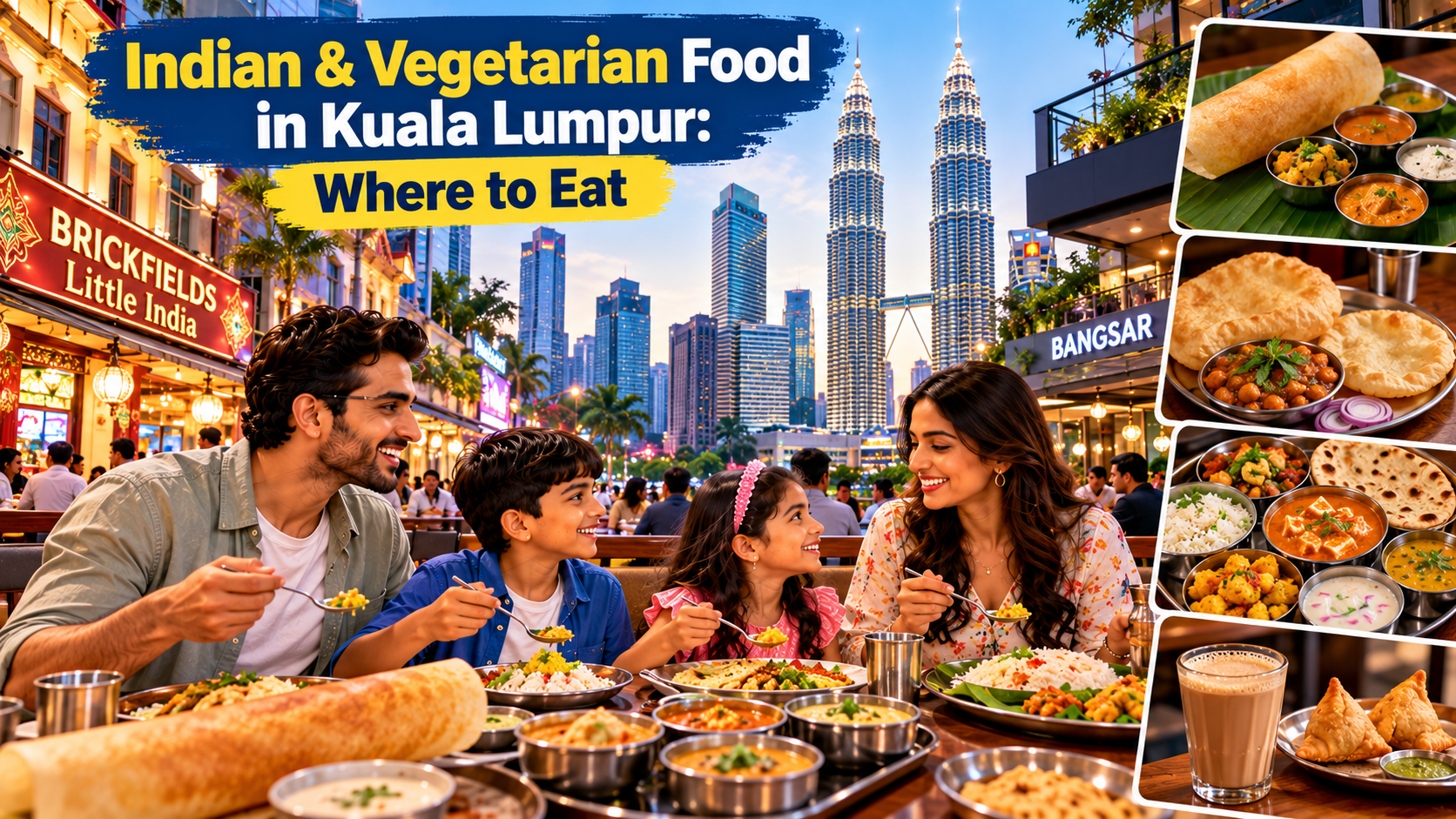
One of the best things about Malaysia for Indian travellers is the food. Nearly 7 percent of Malaysians are of Indian origin, mostly Tamil, and Indian cooking is woven into everyday Malaysian life, from roti canai and teh tarik at breakfast to banana-leaf lunches and late-night mamak stalls. In Kuala Lumpur you will never be far from an Indian restaurant, and vegetarians have plenty of choice.
This guide covers where to find Indian food in Kuala Lumpur, what to order, how to eat vegetarian and Jain in Malaysia, and what to expect in Genting Highlands and Langkawi.
Brickfields: Kuala Lumpur's Little India
Brickfields, right next to KL Sentral station, is the city's official Little India. Jalan Tun Sambanthan is lined with colourful arches, sari and jewellery shops, flower-garland stalls, Hindu temples and dozens of restaurants. It is the best place in KL for South Indian vegetarian meals, banana-leaf rice, dosas, idlis, vadas, filter coffee and Indian sweets, and it is especially festive around Deepavali.
- Annalakshmi at the Temple of Fine Arts is a long-running vegetarian restaurant known for its buffet and charitable 'eat as you wish, give as you feel' tradition at certain meals.
- Saravanaa Bhavan, the familiar South Indian vegetarian chain, has had outlets in Kuala Lumpur, including in the Brickfields area.
- Many smaller family-run restaurants serve banana-leaf meals with rice, vegetable curries, rasam, papadum and pickles, refilled as you eat.
Restaurants open and close, so check current addresses and timings on a map app before you go.
Jalan Masjid India and Jalan TAR
The older Indian quarter around Jalan Masjid India and Jalan Tuanku Abdul Rahman, near Masjid Jamek, is busy with textile shops, gold jewellers, spice stores and Indian Muslim restaurants. It is the place for biryani, roti, murtabak and nasi kandar, and for shopping for saris, salwar suits and festive goods. A weekend night market sets up nearby. It is a short walk from Merdeka Square and Central Market, so it fits easily into a city tour day.
What to order: Malaysian Indian favourites
- Banana-leaf rice: rice served on a banana leaf with vegetables, curries and papadum. Vegetarian sets are common; fold the leaf towards you when you finish.
- Roti canai: a flaky flatbread similar to parotta, served with dhal or curry. Ask for 'roti telur' with egg or 'roti bawang' with onion.
- Thosai and idli: Malaysian spellings of dosa and idli, found at most Indian restaurants and mamak stalls.
- Nasi kandar: rice with a choice of curries poured over it, an Indian Muslim speciality from Penang. Mostly non-vegetarian, but vegetable curries are available.
- Teh tarik: 'pulled' milk tea, poured from a height to make it frothy, Malaysia's national drink.
- Mamak stalls: Indian Muslim eateries, often open late or 24 hours, perfect for a late snack after shopping.
North Indian food
Most Indian food in Malaysia is South Indian, but North Indian restaurants serving paneer dishes, dal makhani, naan and tandoori are easy to find in Bukit Bintang, KLCC, Bangsar and Brickfields, as well as in big malls such as Pavilion, Mid Valley and Sunway Pyramid. Many hotels in tourist areas also serve Indian dishes at breakfast, and most hotels can arrange vegetarian meals on request.
Vegetarian food in Malaysia
Vegetarian food in Malaysia is easy to find once you know where to look. Besides Indian restaurants, there are many Chinese Buddhist vegetarian restaurants, which often use mock meat made from soy or gluten and frequently avoid onion and garlic. Malls and food courts usually have at least one vegetarian or Indian counter.
- Useful words: 'sayur' means vegetables and 'vegetarian' or 'sayur sahaja' (vegetables only) is widely understood.
- Watch for hidden ingredients: many Malay and Chinese dishes contain belacan (shrimp paste), fish sauce, oyster sauce or meat stock, even if no meat is visible. Ask clearly, or stick to vegetarian restaurants.
- Eggs: some 'vegetarian' dishes contain egg; mention it if you do not eat eggs.
Jain food in Malaysia
Jain food in Malaysia takes a little more planning. Some Indian vegetarian restaurants in Brickfields will prepare dishes without onion, garlic and root vegetables if you ask, and Chinese Buddhist vegetarian restaurants that avoid onion and garlic can also be useful, though you should still check for potato, carrot and other root vegetables. Carry dry snacks such as khakhra, thepla and namkeen from home for long sightseeing days. Tell us your requirements when you book; we will pass them to your hotel and suggest suitable restaurants near your hotel.
Indian food in Genting Highlands and Langkawi
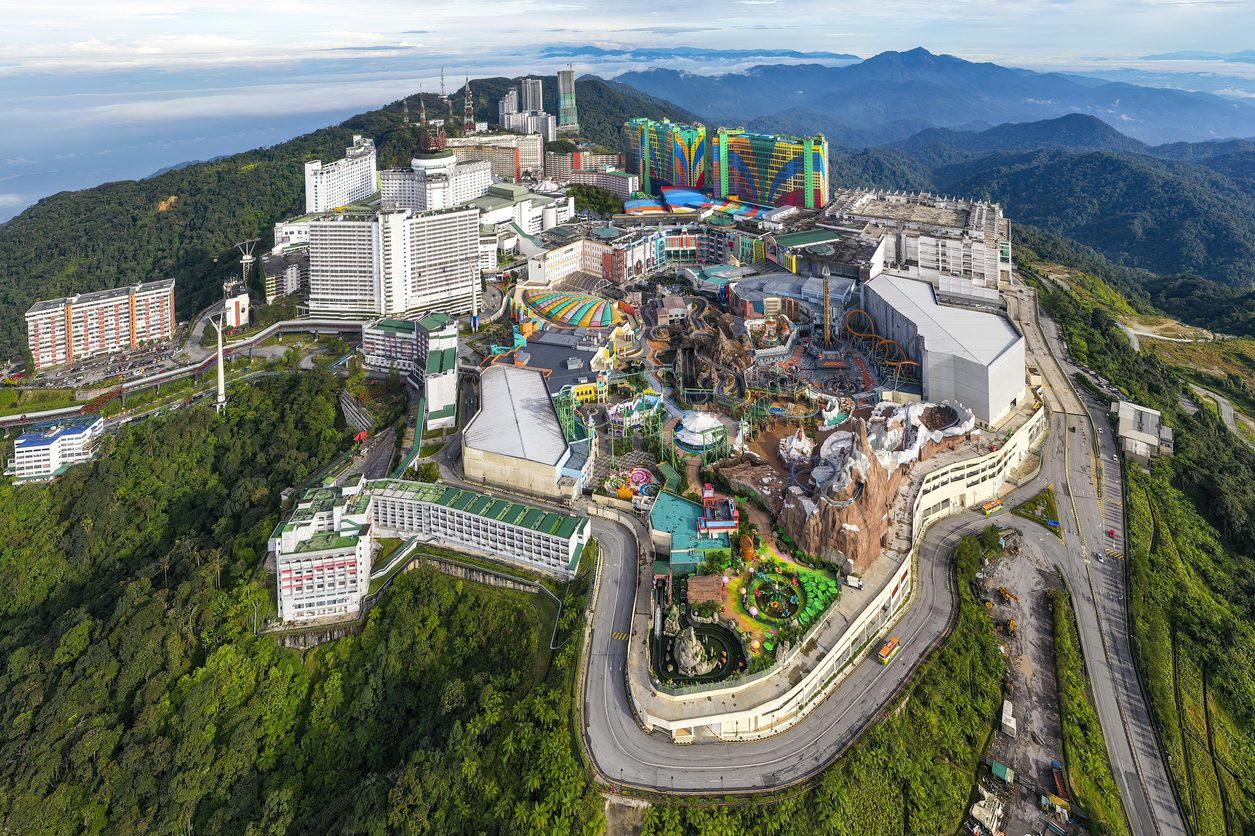
In Genting Highlands, the resort's food courts and restaurants include Indian outlets with vegetarian options, but prices are higher than in Kuala Lumpur and queues can be long on weekends, so eat a little earlier or later than the peak. In Langkawi, Pantai Cenang and Kuah have several Indian restaurants, and resorts can prepare vegetarian meals. In Penang, Little India in George Town has some of the best South Indian food in Malaysia; see our Penang guide.
Tips for eating out in Malaysia
- Halal is everywhere: most Malay and many Indian Muslim restaurants are halal; Chinese restaurants may serve pork.
- Service charge and tax: restaurants often add a service charge and government tax to the bill; tipping is not expected.
- Drinking water: drink bottled or filtered water; ice in restaurants is usually fine in tourist areas.
- Spice levels: Malaysian Indian food can be spicy; ask for 'kurang pedas' (less spicy).
- Durian: the famous fruit is banned in most hotels and on public transport because of its smell; try it at a stall instead.
For more practical advice, read our Malaysia travel tips for Indians and Kuala Lumpur guide.
Indian food on our Malaysia packages
Our Kuala Lumpur tour package, Malaysia family tour package and Genting Highlands package use Kuala Lumpur hotels with easy access to Indian restaurants, and breakfast is included at the hotel. Tell us if you need vegetarian, Jain or other special meals, and we will suggest the best hotel location and nearby restaurants for your family.
Malaysia tour packages
Frequently asked questions
Where can I find Indian food in Kuala Lumpur?
Brickfields, next to KL Sentral, is Kuala Lumpur's Little India and has the most Indian restaurants. Jalan Masjid India, Bukit Bintang and big malls also have Indian options.
Is vegetarian food easily available in Malaysia?
Yes. Indian vegetarian restaurants, Chinese Buddhist vegetarian restaurants and mall food courts all serve vegetarian food. Ask about shrimp paste and fish sauce in local dishes.
Can Jain travellers find food in Malaysia?
Yes, with planning. Some Indian vegetarian restaurants will cook without onion, garlic and root vegetables on request. Carry dry snacks for long days, and tell us your needs when you book.
Is there Indian food in Genting Highlands?
Yes, the resort has Indian outlets with vegetarian options, though prices are higher than in Kuala Lumpur.
What is banana-leaf rice?
A South Indian-style meal of rice, vegetables, curries and papadum served on a banana leaf, very popular in Malaysia.
Do I need to tip in Malaysian restaurants?
No. Tipping is not expected, and many restaurants already add a service charge.
Plan your Malaysia trip
Travelling vegetarian or Jain? Tell us your food needs and we will plan your Malaysia trip around them.
Get a free quote