Arrive in Vienna | Welcome to the imperial city
Your journey through Central Europe begins in Vienna, the capital of Austria and once the heart of one of the greatest empires in history. As your plane descends, look out of the window at the green, rolling hills of the Vienna Woods, the vineyards on the slopes at the edge of the city, and the broad sweep of the River Danube, flowing on its long journey from Germany to the Black Sea.
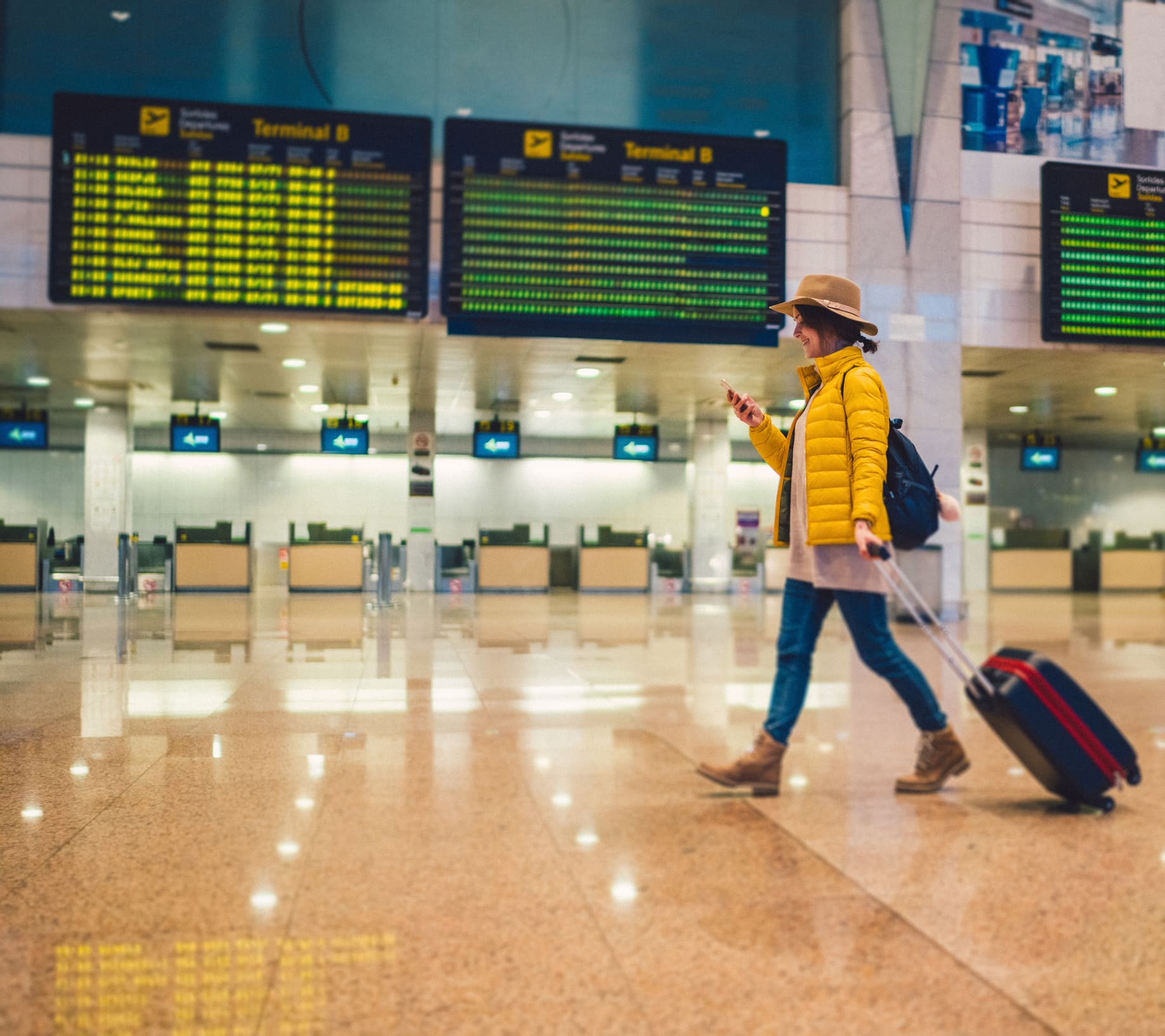
After you clear immigration at Vienna Airport and collect your bags, walk out into the arrivals hall, where your tour manager is waiting to welcome you. From this moment, all the planning is done: your coach, hotels, guides, tickets and meals are arranged, and your tour manager will be with you throughout the journey.
The drive into the city gives you a first glimpse of Vienna's grandeur. For more than six centuries, from the late 13th century until 1918, Vienna was the seat of the Habsburgs, a royal family whose empire at its height stretched across much of Central Europe, from Austria and Hungary to Bohemia, northern Italy and beyond. The emperors and their nobles filled the city with palaces, churches, theatres and gardens, and that imperial splendour is everywhere you look: wide boulevards, baroque domes, statues of emperors on horseback, and grand buildings in cream and gold.
Vienna is also one of the great capitals of music. Mozart, Haydn, Beethoven, Schubert, Brahms and the Strauss family, who wrote the famous waltzes, all lived and composed here, and music still fills the city: in the opera house, in concert halls, in churches and even in the streets, where musicians play classical pieces on violins and cellos. It was also the city of the psychologist Sigmund Freud and of painters like Gustav Klimt, whose golden painting The Kiss is one of the most famous artworks in the world.
Today, Vienna is regularly named one of the most liveable cities in the world. It's clean, safe and green, with excellent public transport, beautiful parks and a relaxed pace of life. In summer, the Viennese love to spend their evenings outdoors: in garden restaurants, at open-air cinemas and concerts, along the banks of the Danube and in the wine taverns on the edge of the city, called heurigen, where local winemakers serve their new wine in leafy courtyards.
Above all, Vienna is famous for its coffee houses, a tradition so important that UNESCO recognises it as part of the world's intangible cultural heritage. The Viennese coffee house is a place to linger for hours over a single cup, reading newspapers, writing, playing chess or chatting with friends, in grand rooms with marble tables, bentwood chairs and chandeliers. Nobody will hurry you. Try a Melange, Vienna's version of a cappuccino, with a slice of Sachertorte, the rich chocolate cake with apricot jam invented here in 1832, or a slice of warm apple strudel.
Once you reach your hotel and check in, take some time to rest after the flight. If you have energy, step out for a gentle walk around your neighbourhood; summer evenings in Vienna are warm and light until around nine o'clock. A few practical tips will help you settle in: Austria uses the euro, and cards are accepted almost everywhere, although some traditional cafés still prefer cash. Shops are generally closed on Sundays. And a friendly "Grüß Gott", the traditional Austrian greeting, or simply "Hallo", always brings a smile.
In the evening the group gathers for dinner, a chance to meet your fellow travellers and to hear your tour manager outline the journey ahead through five countries: Austria, Hungary, Slovakia, the Czech Republic and Germany. Then it's back to the hotel for a good night's rest. Tomorrow you'll see the best of Vienna before travelling along the Danube to Budapest.
Vienna is a city that enjoys its summers. In July and August, a giant screen goes up in front of the City Hall for a free open-air film festival, showing recordings of operas, ballets and concerts every evening, with food stalls from around the world. The Danube Island, a long, narrow island built in the river as part of a flood-protection scheme, is a 21-kilometre playground of beaches, cycle paths and swimming spots. In the Prater park stands the Riesenrad, a giant Ferris wheel built in 1897, one of the oldest in the world, famous from the classic film The Third Man. Even Vienna's tap water is special: it's piped all the way from springs in the Alps, more than 100 kilometres away, through aqueducts built in the 19th century, so it's fresh, cold and delicious straight from the tap. And every New Year's Day, the Vienna Philharmonic's famous New Year's Concert, broadcast to millions of people around the world, is played in the city's golden concert hall, the Musikverein.
Included today: arrival transfer, dinner.
Good to know: hotel check-in is usually mid-afternoon. Summer temperatures in Central Europe are usually 22–30°C, with occasional thunderstorms, so pack light clothes and a small umbrella.