European Grandeur – London, Amsterdam, Paris & Switzerland, 12 Nights / 13 Days
Standard Package

European Grandeur – London, Amsterdam, Paris & Switzerland, 12 Nights / 13 Days

Five countries at a relaxed pace in 12 nights / 13 days: three nights in London, the Netherlands with Giethoorn and Keukenhof or Zaanse Schans, Bruss…

⌖ Europe ✦ Family & senior friendly planning
Package snapshot
DestinationEurope
Travel styleStandard Package

Want to customize this package?

Share your dates and travellers. This enquiry is free. Small changes to a standard itinerary—such as a date change or an extra day—can be discussed with our team.

We’ll send verification codes to your WhatsApp number and email. Indian numbers can be entered without +91; for other countries, include the country code.
Verification required before submitting.
Your holiday

European Grandeur – London, Amsterdam, Paris & Switzerland, 12 Nights / 13 Days: overview

Royal London, Dutch canals, Paris and the Swiss Alps

Imagine a summer evening on the Thames as the lights of London come on, then a quiet morning gliding along the reed-fringed canals of a Dutch village with no roads at all, a sunset cruise on the Seine, and finally the dazzling snow of the Top of Europe. This tour gives London, Paris and Switzerland three nights each, so you see them properly, with the Netherlands and Belgium in between, and it's planned so you can simply enjoy every moment.

In London you enjoy a guided city tour, the Changing of the Guard, Madame Tussauds, the London Eye and a Thames cruise, Lord's, the Tower of London and free time on Oxford Street. Then you cross to the Netherlands for the canal village of Giethoorn, Madurodam, Keukenhof (until 10 May) or Zaanse Schans, and an Amsterdam canal cruise. After Brussels and the Atomium, three nights in Paris include Versailles, the Eiffel Tower top level, a Seine cruise and Disneyland® Paris. You travel via Geneva to the Swiss Alps for Jungfraujoch, Mt. Titlis, Lucerne, Bern, the Lindt Home of Chocolate and the Rhine Falls.

A professional tour manager travels with the group, you stay in superior 4-star hotels, and Indian lunches and dinners are included on most days. You need a UK visa and a Schengen visa, and our team helps with both. See all our Europe tour packages.

Good to know

Package typeStandard Package
Planning supportSmall changes by enquiry
Best forFamilies, couples & seniors
Get a free quote
Trip highlights
✦ Arrive in London | The start of a grand European journey
✦ London city tour, Changing of the Guard, Madame Tussauds, the London Eye and a Thames cruise | London on land, in the air and on the water
✦ Lord's Cricket Ground, the Tower of London and Oxford Street | Cricket, crown jewels and shopping
✦ Eurostar to Amsterdam and the canal village of Giethoorn | From London to the Venice of the North
✦ Madurodam, Keukenhof (until 10 May) or Zaanse Schans (from 11 May), and an Amsterdam canal cruise | All the colours of Holland
✦ Brussels – the Atomium, Grand Place and Manneken Pis, then on to Paris | The heart of Europe and the road to the City of Light
Day-wise plan

Europe itinerary: day by day

Day 1
Arrive in London | The start of a grand European journey

Arrive in London | The start of a grand European journey

⌖ London 🍽 Meals: Dinner

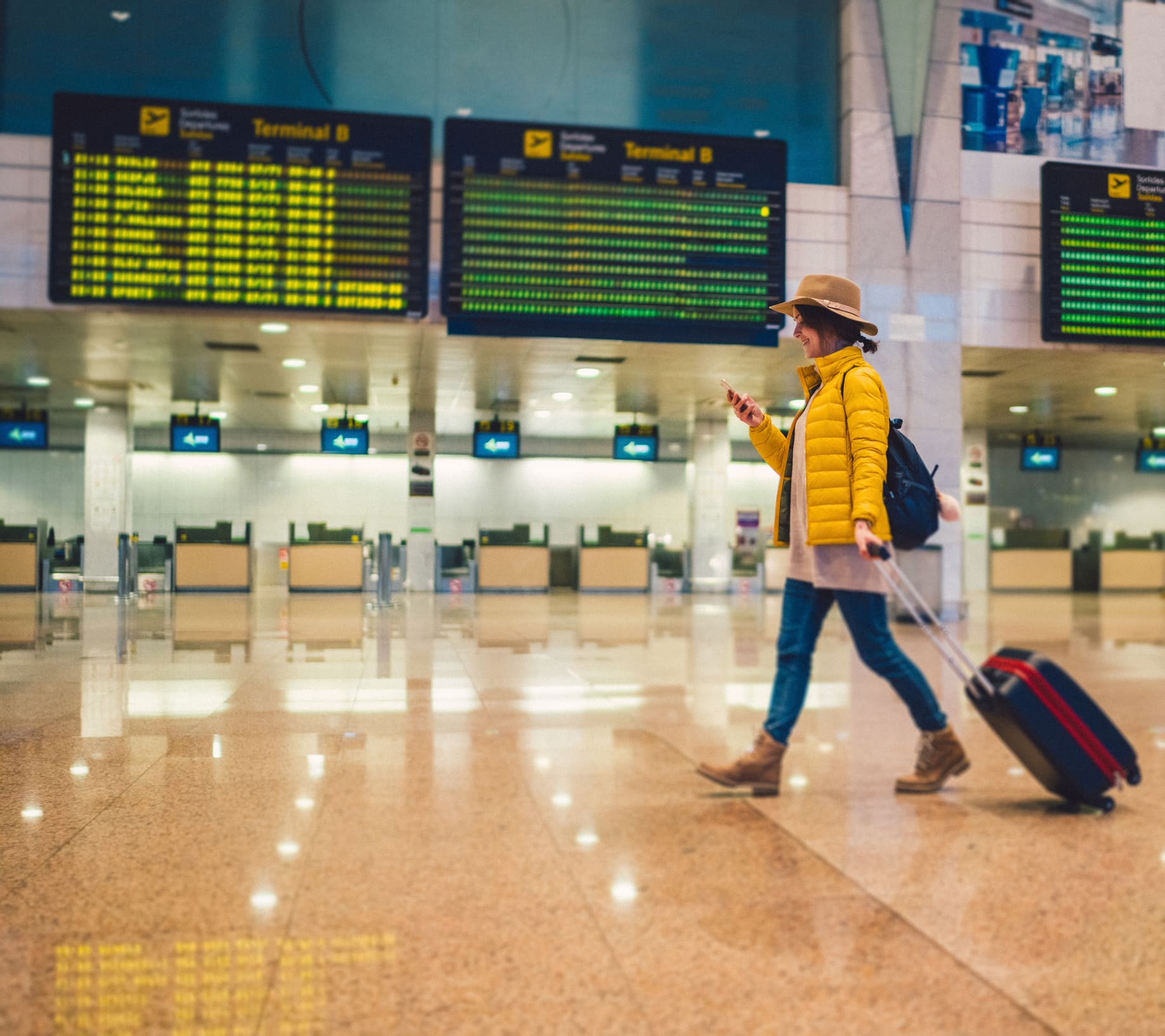
Thirteen days, five countries, and some of the most famous sights on earth: your grand European journey begins in London. As your plane descends, the city spreads out below you, a vast patchwork of rooftops, parks and church spires, with the River Thames winding through it in great silver loops. Look for the green squares of Hyde Park and Regent's Park, the giant wheel of the London Eye, and the cluster of glass towers in the City, glinting in the summer sun.

After you clear immigration and collect your bags, walk out into the arrivals hall, where your tour manager is waiting to greet you. From this moment on, everything is taken care of: coaches, trains, hotels, guides, tickets and meals. Your tour manager will be with you all the way from London to Zurich.

As the coach drives into the city, you'll begin to see the London of films and postcards: red double-decker buses, black taxis, grand white stucco terraces, red-brick mansion blocks, and cosy pubs with flower baskets hanging from their windows. London is really a collection of villages that grew together over the centuries, and each neighbourhood has its own character: elegant Kensington and Chelsea, colourful Notting Hill with its pastel-painted houses, leafy Hampstead on its hill, historic Greenwich by the river, and the lively markets of the East End.

London is also one of the greenest cities in the world. Its eight Royal Parks, once the private hunting grounds of kings and queens, are now open to everyone, and on a summer day they're full of people picnicking, rowing on the lakes, sunbathing and playing cricket. Look out for the grey squirrels, which are so tame they'll come right up to you. Summer is a wonderful time to be in London: in late June and early July, the Wimbledon tennis championships fill the city with excitement, and everyone eats strawberries and cream; from July to September, the Proms, a festival of classical music, fill the Royal Albert Hall every night; and at the end of August, the Notting Hill Carnival, one of the largest street festivals in the world, brings music, dancing and Caribbean food to the streets.

For Indian travellers, London holds many connections. A young Mohandas Gandhi came here in 1888 to study law at the Inner Temple, one of the city's ancient Inns of Court. In 1892, Dadabhai Naoroji became the first Asian to be elected as a Member of the British Parliament, for a constituency in north London. And Dr. B.R. Ambedkar studied at the London School of Economics in the 1920s; the house where he lived as a student in north London is now a museum in his honour. Today, well over a million people of Indian origin call Britain home, and you'll find Indian restaurants, temples, gurdwaras and festivals all over the city.

Once you reach your hotel and check in, take time to rest after your journey. Summer days in London are long, with the sun setting after nine in the evening in June and July, so if you have energy, take a gentle stroll around your neighbourhood to stretch your legs and get your bearings.

A few practical tips will help you settle in. Cars drive on the left in Britain, so look right before you step into the road. The currency is the pound sterling, and contactless cards are accepted almost everywhere, even on buses. British plugs have three rectangular pins, so you'll need a UK adapter here and a European adapter for the rest of the tour. And keep a light jacket or umbrella handy, because London's weather can change from sunshine to showers and back again in an hour.

In the evening the group gathers for dinner, a chance to meet your fellow travellers and to hear your tour manager outline the journey ahead: three days in London, then the Netherlands, Belgium, Paris and the Swiss Alps. After dinner, return to your hotel for a good night's sleep.

London is also one of the great food cities of the world, and Indian food is at the heart of it. Curry has been served in London since the early 19th century, and today there are thousands of Indian restaurants across Britain; dishes like chicken tikka masala are often described as national favourites. In east London, Brick Lane is famous for its curry houses and street art, while in Southall, in the west, you'll find one of the largest Sikh gurdwaras outside India, along with sari shops, jewellers and sweet shops that make it feel like a corner of Punjab. You may also notice how much the British love to talk about the weather. It's the national small talk, and with skies that can change from sunshine to rain and back again in an hour, there's always something to say about it.

Included today: arrival transfer, dinner.

Good to know: hotel check-in is usually mid-afternoon. London summer temperatures are usually 18–26°C, with occasional showers.
Day 2
London city tour, Changing of the Guard, Madame Tussauds, the London Eye and a Thames cruise | London on land, in the air and on the water

London city tour, Changing of the Guard, Madame Tussauds, the London Eye and a Thames cruise | London on land, in the air and on the water

⌖ London 🍽 Meals: Breakfast, Lunch, Dinner

Today you see London from every angle. After breakfast, your expert local guide joins the coach for a tour of the city's great landmarks.

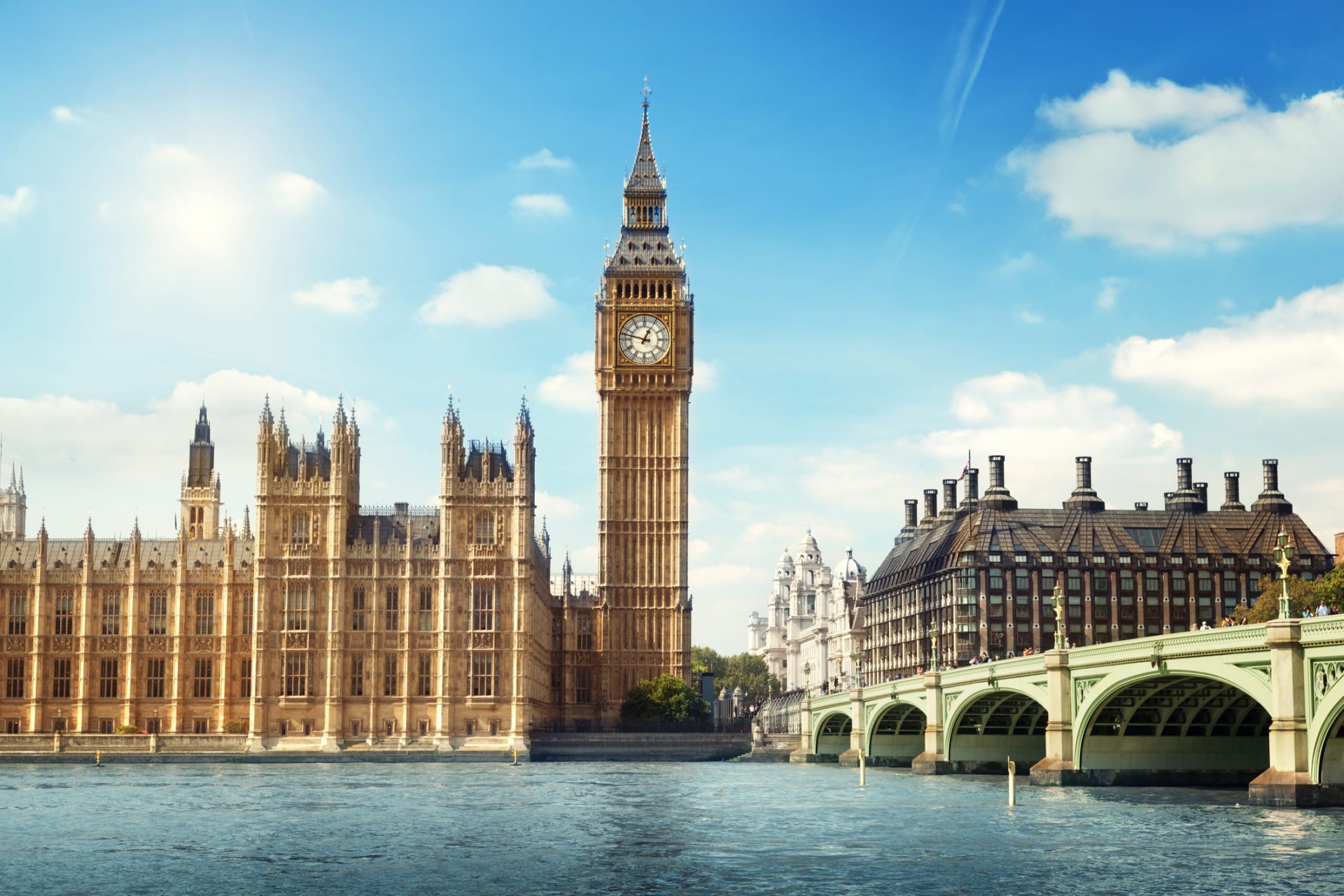
You begin at Westminster, where the Houses of Parliament rise in Gothic splendour beside the Thames. The famous clock tower, home of the great bell called Big Ben, has kept time over London since 1859, and its clock is so carefully maintained that the keepers adjust its accuracy by placing or removing old pennies on the pendulum. Across the road stands Westminster Abbey, where English and British monarchs have been crowned for nearly a thousand years. Inside is the Coronation Chair, made around 1300, on which almost every monarch since has been crowned, most recently King Charles III in 2023.

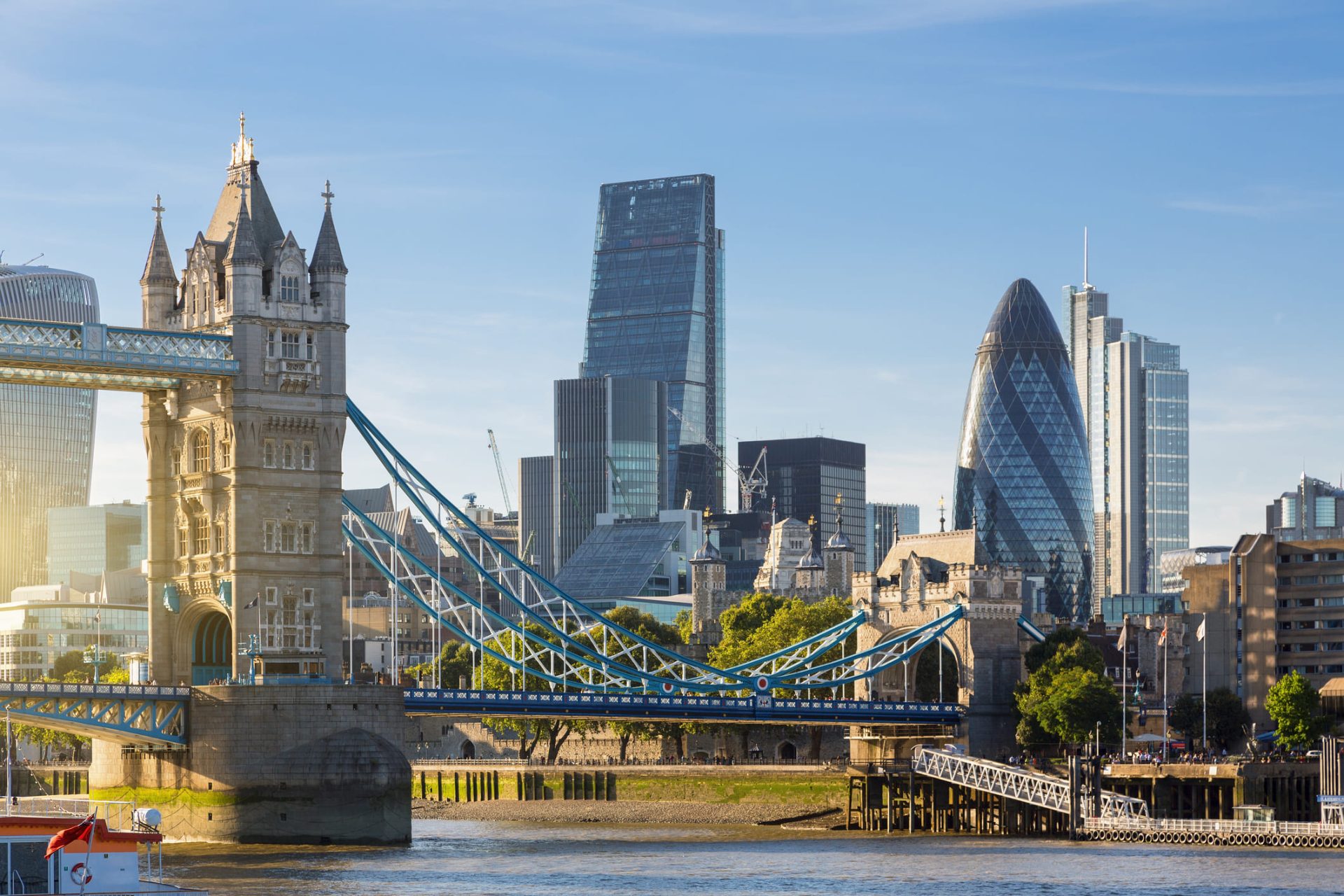
The tour continues through Trafalgar Square, where Nelson's Column is guarded by four great bronze lions, and past Piccadilly Circus, with its giant illuminated screens. You'll drive through Hyde Park and along the Thames to Tower Bridge, the magnificent Victorian drawbridge with its twin Gothic towers. Then, at Buckingham Palace, you watch the Changing of the Guard, as the soldiers of the King's Guard, in scarlet tunics and black bearskin hats, march to the music of a military band in one of the most famous ceremonies in the world.

Next you visit Madame Tussauds, the world-famous wax museum on Marylebone Road. Here you can stand shoulder to shoulder with kings and queens, world leaders, sporting heroes, music legends and Hollywood and Bollywood stars, all recreated in wax with astonishing realism, down to the last eyelash. Each figure takes a team of artists around four months to make, using hundreds of precise measurements and photographs of the real person. It's great fun to pose for photographs with your favourites and to see whether your friends back home can tell which ones are real.

In the afternoon you ride the London Eye, the giant observation wheel on the South Bank of the Thames. At 135 metres tall, it gives you a breathtaking view across the whole city, and on a clear summer day, you can see for about 40 kilometres in every direction. The glass capsules move so slowly that you barely notice you're climbing, and a full rotation takes around thirty minutes.

Then you board a boat for a cruise on the River Thames, the river that has shaped London's history for two thousand years, and see the city from the water. As the boat glides downstream, you'll pass the South Bank with its theatres and galleries; Shakespeare's Globe, a careful reconstruction of the open-air theatre where Shakespeare's plays were first performed, with its white walls and thatched roof; Tate Modern, a world-famous museum of modern art housed in a former power station; and the great dome of St. Paul's Cathedral, designed by Sir Christopher Wren after the Great Fire of London in 1666. You'll see the Shard, the tallest building in Britain, rising like a shard of glass above London Bridge; HMS Belfast, a Second World War warship now moored as a museum; and finally, the Tower of London and Tower Bridge, looking magnificent from the water. In the summer evening light, with the river busy with boats and the city glowing around you, it's a perfect end to a wonderful day. In the evening you return to your hotel for dinner.

Westminster Abbey is also the resting place of some of the greatest minds in history. Isaac Newton and Charles Darwin are buried there, and in 2018, the ashes of the physicist Stephen Hawking were laid to rest between them. In Poets' Corner, memorials honour writers from Chaucer and Shakespeare to Charles Dickens and Jane Austen. Big Ben itself has a story: the first great bell cracked during testing, and when the second one was hung in 1859, it too cracked a few months later. Instead of replacing it again, the bell was turned slightly, and it has rung with its famously slightly imperfect tone ever since.

The Thames you cruise on today was once one of the dirtiest rivers in the world. In the hot summer of 1858, the smell from the sewage in the river was so terrible that it became known as the Great Stink, and Parliament, sitting right beside the river, finally ordered the engineer Joseph Bazalgette to build a vast network of sewers beneath the city. His work saved thousands of lives from disease and is still in use today. Now the river is much cleaner, and seals, porpoises and even seahorses have been spotted in its waters.

Included today: guided London city tour, Changing of the Guard (subject to schedule), Madame Tussauds entry, London Eye ride, River Thames cruise, breakfast, lunch, dinner.

Good to know: the Changing of the Guard doesn't take place every day and can be cancelled in bad weather or for state events. Expect a lot of walking today, so wear comfortable shoes.

Day 3
Lord's Cricket Ground, the Tower of London and Oxford Street | Cricket, crown jewels and shopping

Lord's Cricket Ground, the Tower of London and Oxford Street | Cricket, crown jewels and shopping

⌖ London 🍽 Meals: Breakfast, Lunch, Dinner

Today you visit two of London's most famous institutions and then go shopping on one of the world's busiest streets. After breakfast, you drive to St. John's Wood and Lord's Cricket Ground, the Home of Cricket.

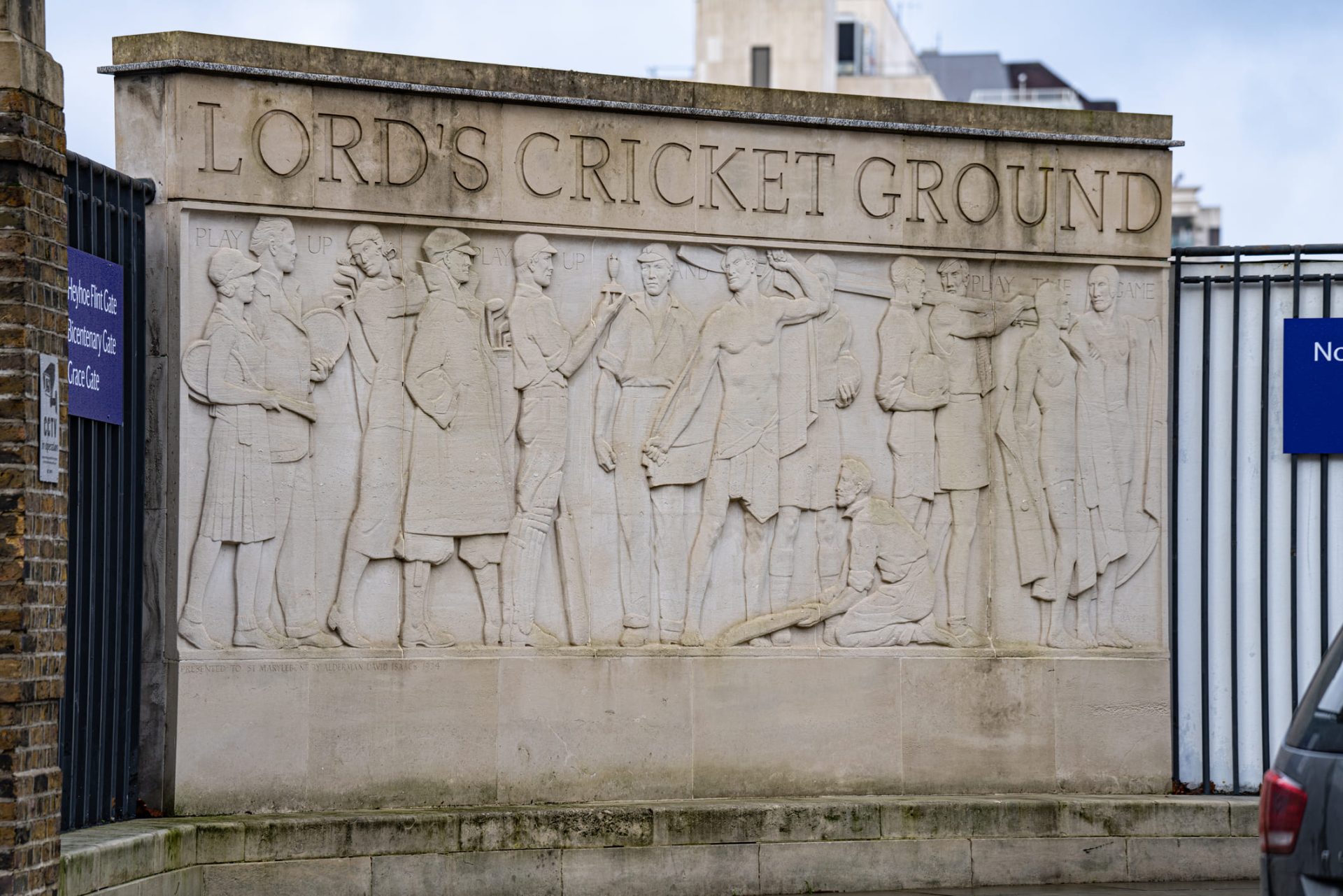
For every cricket lover in India, Lord's is a dream. It has hosted Test cricket since 1884 and is the home of the Marylebone Cricket Club, which has written and guarded the laws of cricket since the 18th century. On the tour, you go behind the scenes. You'll walk into the grand Victorian Pavilion, with its red-brick walls and balconies, and into the Long Room, the famous hall lined with paintings of cricket's greatest players, through which batsmen walk on their way out to the pitch. You'll see the players' dressing rooms, with the honours boards listing everyone who has scored a Test century or taken five wickets in an innings at Lord's. Above the stands, look up at Old Father Time, a weathervane showing the figure of Time removing the bails from a wicket. In the MCC Museum, you'll see the tiny Ashes urn, cricket's most famous trophy, and many treasures from the game's long history. And of course, it was here that India won the World Cup in 1983 and that Sourav Ganguly waved his shirt from the balcony after India's thrilling victory in the 2002 NatWest Series final, moments that every Indian cricket fan remembers.

Then you travel to the Tower of London, the medieval fortress on the north bank of the Thames, a UNESCO World Heritage Site that has stood for nearly a thousand years. William the Conqueror began building its great White Tower in the 1070s, soon after he conquered England, to keep the people of London under control. Since then, the Tower has been a royal palace, a fortress, a prison, an armoury, a treasury and even a zoo. Some of its prisoners were famous, including Queen Anne Boleyn, the second wife of Henry VIII, who was executed here in 1536. Prisoners were often brought in by boat through Traitors' Gate, a water entrance from the river.

Today the Tower is guarded by the Yeoman Warders, nicknamed Beefeaters, in their dark blue and red uniforms, who live inside the Tower with their families and tell its stories with great humour. Look out, too, for the Tower's famous ravens: legend says that if the ravens ever leave, the kingdom and the Tower will fall, so at least six are always kept here. And every night for around 700 years, the Tower has been locked in the Ceremony of the Keys, an ancient ritual that has never been missed.

The highlight of the visit is the Crown Jewels, a dazzling collection of crowns, sceptres, orbs and swords still used by the royal family in great ceremonies. Among them is the Imperial State Crown, set with nearly 3,000 diamonds, and the crown that holds the famous Koh-i-Noor, the diamond that was mined in India centuries ago and has one of the longest and most debated histories of any jewel in the world. Seeing it up close is a moment many Indian visitors find especially moving.

In the evening you have free time on Oxford Street, London's most famous shopping street. Around two kilometres long, it's lined with hundreds of shops, from great department stores like Selfridges, which opened in 1909 and changed the way the world shops, to flagship stores of famous international brands. Just around the corner on Regent Street, Hamleys, founded in 1760, is one of the oldest and largest toy shops in the world, with seven floors of toys and staff demonstrating them in the aisles. It's a chance to shop, browse and soak up the energy of London on a summer evening, before dinner with the group.

The Tower of London has housed some surprising residents over the centuries. For around 600 years, it was home to the Royal Menagerie, a collection of exotic animals given to the kings and queens of England, including lions, elephants and even a polar bear, which, in the 13th century, was allowed to fish for salmon in the Thames on a long chain. Many of the Crown Jewels are still used today: some of them were worn and carried at the coronation of King Charles III in 2023. And if your visit is switched to the Oval, you'll be at another historic ground: it hosted the first Test match ever played in England, in 1880.

Included today: Lord's Cricket Ground tour, Tower of London entry with the Crown Jewels, free time on Oxford Street, breakfast, lunch, dinner.

Good to know: if matches are scheduled at Lord's, the group visits the Oval Cricket Ground instead. Queues for the Crown Jewels can be long in summer, and bags are security-checked at the Tower.

Day 4
Eurostar to Amsterdam and the canal village of Giethoorn | From London to the Venice of the North

Eurostar to Amsterdam and the canal village of Giethoorn | From London to the Venice of the North

⌖ Netherlands 🍽 Meals: Breakfast, Lunch, Dinner

Today you leave Britain behind and cross to the European mainland on a high-speed train. After breakfast, you check out of your hotel and transfer to St Pancras International, one of the most beautiful railway stations in the world, a Victorian Gothic masterpiece of red brick, towers and spires, with a soaring arched roof of iron and glass over the platforms.

You board the Eurostar, the high-speed train that links London with the European mainland through the Channel Tunnel. As the train glides out of London and picks up speed through the green fields, orchards and hop gardens of Kent, enjoy the English countryside one last time. Then the train enters the tunnel, which runs for around 50 kilometres between England and France, nearly 38 of them beneath the seabed of the English Channel, the longest undersea railway tunnel in the world. About twenty minutes later, you burst out into the daylight in northern France, and the train races on at up to 300 kilometres an hour across the flat fields of France and Belgium and into the Netherlands. Settle back, enjoy the views and a snack, and watch three countries flash past your window.

You arrive in Amsterdam, the capital of the Netherlands, a city famous for its canals, bridges and tall, narrow gabled houses. From the station, the coach drives north-east across the flat Dutch countryside, a landscape of wide skies, green polders, grazing cows and long, straight canals, to one of the most enchanting villages in Europe: Giethoorn.

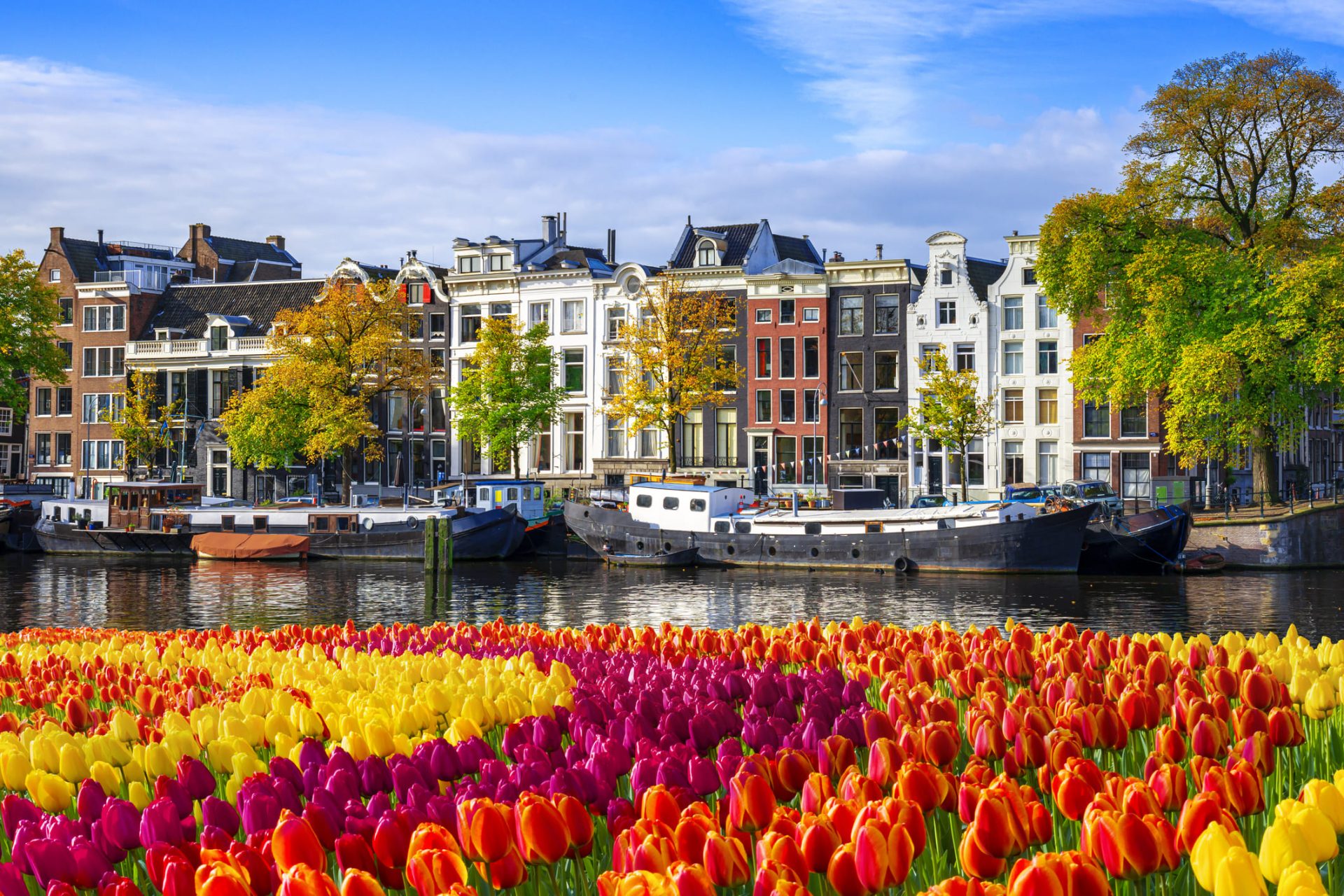
Giethoorn is often called the Venice of the North, and it's easy to see why. The old village has no roads at all. Instead, its houses stand on little islands, connected by narrow canals and more than 170 small wooden footbridges, many of them arched just high enough for a boat to pass beneath. Villagers and visitors travel by boat or on foot along narrow paths beside the water. The houses are straight out of a storybook: old farmhouses with deep, sweeping roofs of thatched reed, neat gardens bursting with flowers, hedges clipped into shapes, and little wooden jetties where boats are moored.

The village's story is fascinating. It was founded in the 13th century by peat cutters, who dug peat from the marshy land to sell as fuel. As they dug, they created ditches and pools, which were later joined into canals for transporting the peat by boat. Legend says that the first settlers found the land full of goat horns, left behind by wild goats drowned in an ancient flood, so they called the village "Geitenhoorn", goat horn, which eventually became Giethoorn. The village became famous in the Netherlands after a popular Dutch film, Fanfare, was shot here in 1958, and today visitors come from all over the world to experience its peace and beauty.

Take your time to stroll along the paths beside the canals, cross the little bridges, and admire the thatched houses and their gardens. Watch the silent electric boats, known as "whisper boats", glide past, carrying families and couples along the waterways. Listen to the birds in the reeds and the soft splash of water. In summer, the gardens are in full bloom with roses and hydrangeas, ducks and swans paddle along the canals, and the long evening light gives the whole village a golden glow. It's one of the most peaceful and romantic places you'll visit on the whole tour.

The surrounding area, the Weerribben-Wieden National Park, is one of the largest peat marshlands in north-western Europe, a landscape of reed beds, lakes and canals, home to otters, rare birds and dragonflies. It's a reminder of how the Dutch have lived with water for centuries, shaping and taming it but also living in harmony with it.

After dinner, you check in to your hotel in the Netherlands for two nights.

The Netherlands has some delicious and some surprising food traditions. The Dutch eat more liquorice than almost anyone in the world, often salty liquorice, called drop, which visitors either love or hate. In summer, you'll see locals eating raw herring at fish stalls, holding the fish by the tail and lowering it into their mouths. And Dutch cheeses, from mild young Gouda to strong, crumbly aged varieties, are sold everywhere in great round wheels. A slice of Dutch apple pie with whipped cream, served warm at a café, is a perfect treat at the end of a day of travel.

Included today: Eurostar from London to Amsterdam, orientation tour of Giethoorn, breakfast, lunch, dinner.

Good to know: passport and security checks for the Eurostar take place at St Pancras before boarding, including Schengen border control, so keep your passport handy. Luggage on the Eurostar is limited to what you can carry. Giethoorn is a residential village, so please respect the privacy of the homes and gardens.

Day 5
Madurodam, Keukenhof (until 10 May) or Zaanse Schans (from 11 May), and an Amsterdam canal cruise | All the colours of Holland

Madurodam, Keukenhof (until 10 May) or Zaanse Schans (from 11 May), and an Amsterdam canal cruise | All the colours of Holland

⌖ Netherlands 🍽 Meals: Breakfast, Packed Lunch, Dinner

Today you see the Netherlands in miniature, in bloom and from the water. After breakfast, the coach takes you to The Hague and Madurodam, the miniature park where the whole country is recreated at a scale of 1 to 25.

Walking into Madurodam, you become a giant in a tiny world. Around you, in perfect detail, are the Netherlands' most famous buildings and landscapes: the medieval parliament buildings of The Hague, the Peace Palace, royal palaces, Amsterdam's canals, the windmills of Kinderdijk, tulip fields, cheese markets, and the giant port of Rotterdam, where container ships glide in and out and cranes swing their loads. At Schiphol airport, planes taxi along the runways. Many of the models are interactive, so pressing a button might start a parade, open a lock gate or launch a ship. The park opened in 1952, named after George Maduro, a young Dutch resistance hero who died in the Second World War, and its profits still support charities for children.

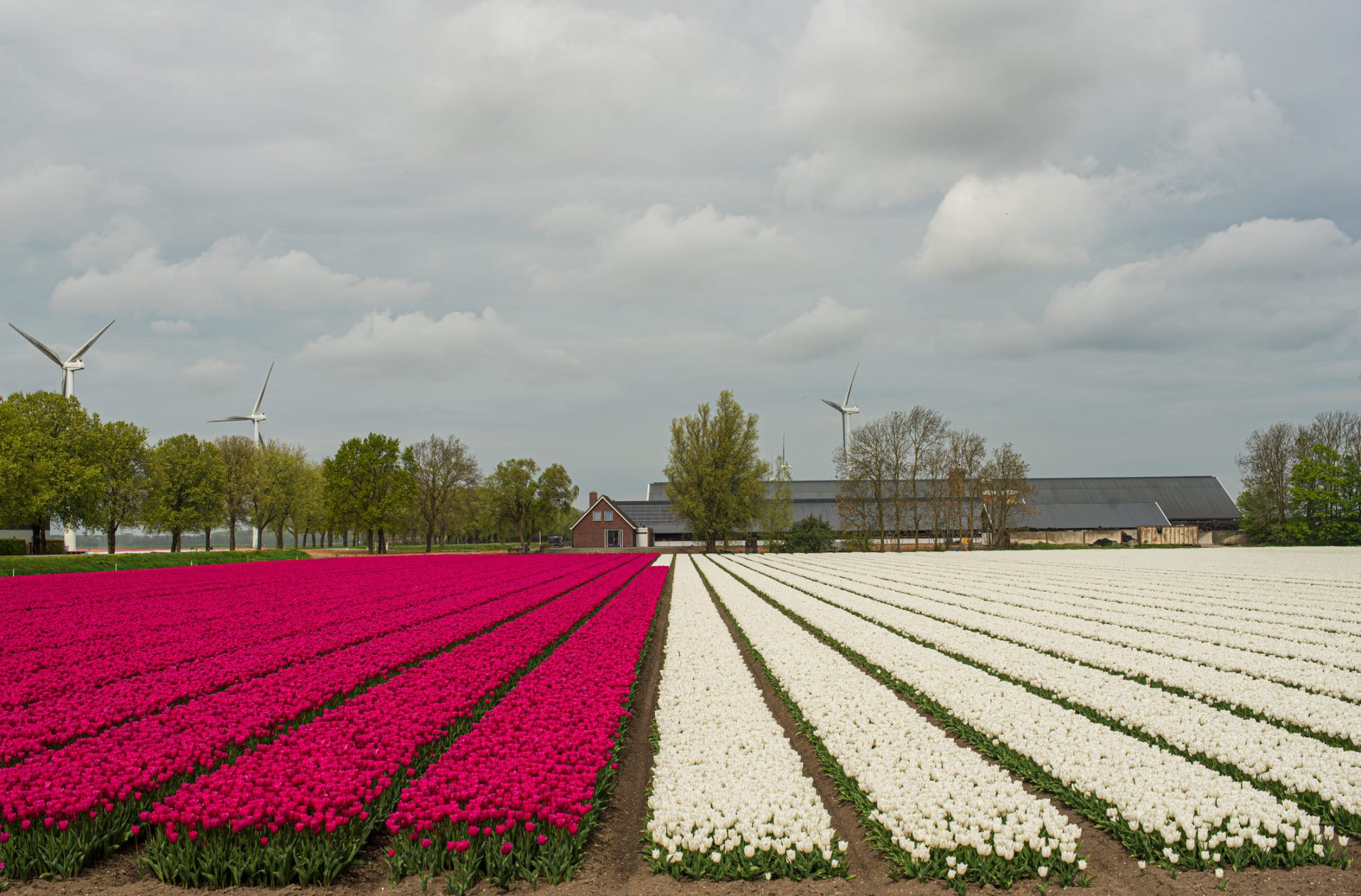
Then, if your tour runs until 10 May, you visit the Keukenhof Gardens near Lisse. Its name means "kitchen garden": in the 15th century, this land supplied herbs and vegetables for the kitchen of a countess's castle nearby. Today it's the most famous flower garden in the world. Every autumn, around seven million bulbs are planted by hand, and from late March to early May, they burst into bloom in rivers and carpets of colour: tulips in every shade, daffodils, hyacinths, crocuses and muscari, arranged around lakes, fountains and winding paths, with a traditional windmill overlooking the bulb fields. The scent of hyacinths fills the air, and the displays change every few weeks as different flowers bloom.

If your tour runs from 11 May, you visit the Zaanse Schans instead, a village of historic windmills and green wooden houses on the banks of the River Zaan, just north of Amsterdam. In the 17th and 18th centuries, this was one of the world's first industrial areas, with hundreds of windmills grinding, pressing, sawing and pumping. Today, a row of working windmills still stands along the dyke, and you can watch craftsmen making wooden clogs, see how Dutch cheese is made and taste it, and visit a small museum recreating the first shop of Albert Heijn, the Dutch supermarket chain that began here in 1887.

A packed lunch keeps you going, and in the afternoon, you head to Amsterdam for a cruise on its famous canals. You board a glass-topped boat and glide along the 17th-century canal ring, a UNESCO World Heritage Site, past rows of tall, narrow merchants' houses with gabled roofs, their facades often decorated with carved stones showing the trade or name of the original owner. Look out for the Westerkerk, whose tall tower rises above the Prinsengracht near the house where Anne Frank and her family hid during the Second World War; in her famous diary, she wrote about hearing its bells and seeing the chestnut tree in the courtyard from her window. The boat passes under arched bridges, alongside houseboats with flowers on their decks, and past the grand houses of the Herengracht, the Gentlemen's Canal, where the richest merchants of the Golden Age lived. The commentary on board tells you the stories of the city as you go. In summer, the canals are alive with small boats, and people sit at café terraces along the water, enjoying the sunshine.

In the evening you return to your hotel for dinner.

The Netherlands is the flower shop of the world. The country exports billions of flowers and bulbs every year, and near Amsterdam, in the town of Aalsmeer, is one of the largest flower auctions on earth, where millions of tulips, roses and chrysanthemums are sold every day and flown to every corner of the globe; some of the flowers you see in India may well have passed through it. In spring, the bulb region around Keukenhof holds a famous flower parade, when floats covered in thousands of flowers travel along the roads from town to town.

Amsterdam's canals hold their own surprises. With so many bicycles in the city, thousands of them end up in the water every year, and the city has special boats with grabbing cranes to fish them out. Amsterdam is also home to more than 2,000 houseboats, some of them simple old barges and others luxurious floating homes with gardens on their roofs. And the city's houses lean for a reason: many were built to tilt slightly forward, so that goods hoisted up on ropes to the attic storerooms wouldn't bump against the windows below.

In summer, Amsterdam is at its most joyful, with people sitting on the edges of the canals, dangling their feet over the water, boats full of friends drifting past with music playing, and café terraces packed with people enjoying the long, light evenings.

Included today: Madurodam entry, Keukenhof Gardens entry (until 10 May) or Zaanse Schans visit (from 11 May), Amsterdam glass-top canal cruise, breakfast, packed lunch, dinner.

Good to know: Keukenhof opens only in spring, and peak bloom depends on that year's weather. Demonstrations at Zaanse Schans depend on the workshops' schedules on the day.

Day 6
Brussels – the Atomium, Grand Place and Manneken Pis, then on to Paris | The heart of Europe and the road to the City of Light

Brussels – the Atomium, Grand Place and Manneken Pis, then on to Paris | The heart of Europe and the road to the City of Light

⌖ Paris 🍽 Meals: Breakfast, Lunch, Dinner

Today you travel south through Belgium to France. After breakfast, you check out of your hotel and the coach heads south across the Netherlands, crossing the wide rivers of the Rhine delta, and into Belgium.

Your first stop in Brussels is the Atomium, a gleaming giant built for the World's Fair of 1958, the first major world's fair after the Second World War, which welcomed tens of millions of visitors. It represents an iron crystal magnified 165 billion times, with nine stainless-steel spheres connected by tubes, rising 102 metres above the park. It was meant to stand for only six months, but it became so beloved that it was kept, and it's now one of the most famous landmarks in Belgium. In the summer sunshine, its spheres sparkle like giant silver balls. It's a perfect spot for photographs.

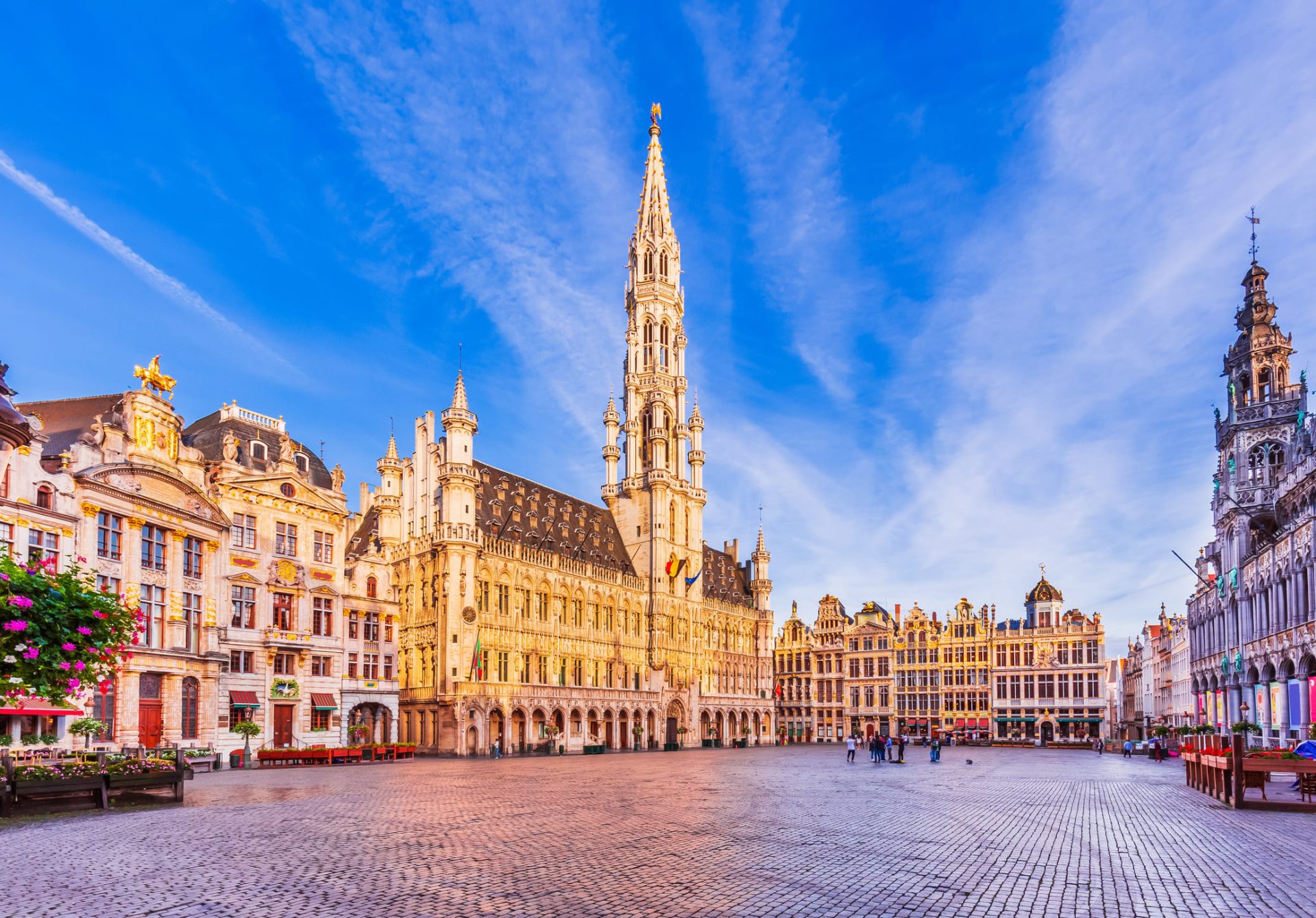
Then you drive into the city centre to the Grand Place, the magnificent main square of Brussels and one of the most beautiful squares in the world. Its tall, narrow guild houses, covered in gold leaf, carvings and statues, were built by the city's merchants and craftsmen to show off their wealth. On one side rises the Gothic Town Hall, with its spire nearly a hundred metres tall, and opposite stands the King's House, which houses the City Museum. Stand in the middle of the square and turn slowly around: in every direction, there's another glittering facade.

A short walk takes you to the Manneken Pis, the little bronze boy who has delighted visitors for nearly 400 years. He's small, only about 55 centimetres tall, but he's the city's most famous resident, with a wardrobe of more than a thousand costumes that he wears on special days. The original statue is kept in the City Museum on the Grand Place for safekeeping.

Nearby, stroll through the Royal Galleries of Saint-Hubert, an elegant glass-roofed shopping arcade opened in 1847, one of the oldest in Europe, lined with chocolate shops, cafés and bookshops. It's the perfect place to buy Belgian chocolates. Brussels is where Jean Neuhaus invented the praline, the chocolate shell with a soft filling, in 1912, and Belgian chocolatiers still make some of the finest chocolates in the world. Don't leave without trying a warm Belgian waffle, either.

After lunch, you continue south into France, crossing the rolling farmland of the north, golden with wheat and dotted with red poppies in summer. By evening you reach Paris, the city of fashion, art, romance and some of the most famous monuments on earth. You check in to your hotel for three nights and enjoy dinner with the group.

Belgium is a small country with a big personality and a rich mix of cultures. It has three official languages, Dutch in the north, French in the south and German in a small area in the east, and Brussels itself is officially bilingual, so every street sign is written in both French and Dutch. It's also the home of the European Union's main institutions, including the European Commission, in its star-shaped Berlaymont building, and the European Parliament, as well as the headquarters of NATO, so diplomats and officials from all over the world live and work here.

Belgium is a country of great food. Belgian waffles come in two main kinds: the light, crisp, rectangular Brussels waffle, served with icing sugar, cream or fruit, and the smaller, denser Liège waffle, studded with crunchy pearl sugar that caramelises as it cooks. Belgians also claim to have invented the French fry, which they eat from a paper cone with mayonnaise, and Belgian chocolate is admired all over the world. Belgium is also the land of the comic strip: Tintin and the Smurfs both came from here, and as you drive through Brussels, you may spot giant comic-strip murals painted on the sides of buildings.

Just south of Brussels lies the field of Waterloo, where Napoleon suffered his final defeat in 1815, a battle so famous that "to meet your Waterloo" has become an English expression. And as you drive into northern France, you're crossing land where some of the hardest battles of the First World War were fought. More than a million Indian soldiers served in that war, and many of them fought on these fields; their courage is remembered at memorials in France and Belgium.

As you approach Paris in the evening, look out of the window for your first glimpses of the city: the grand boulevards, the cream-coloured buildings with their wrought-iron balconies, the café terraces glowing with light, and perhaps, in the distance, the Eiffel Tower sparkling against the evening sky.

Included today: photo stop at the Atomium, visit to the Grand Place and Manneken Pis, coach to Paris, breakfast, lunch, dinner.

Good to know: today has several hours of driving, so keep water, snacks and a neck pillow handy. Keep a close eye on bags in the crowded areas around the Grand Place.

Day 7
Paris city tour, Eiffel Tower top level, Versailles and a Seine cruise | The City of Light in a single day

Paris city tour, Eiffel Tower top level, Versailles and a Seine cruise | The City of Light in a single day

⌖ Paris 🍽 Meals: Breakfast, Lunch, Dinner

Today you discover the very best of Paris. After breakfast, your local guide joins the coach for a tour of the city's most famous sights.

The tour takes you through some of the most elegant places in Paris. At Place Vendôme, the windows of world-famous jewellers glitter beneath a tall bronze column cast from cannons captured by Napoleon at the Battle of Austerlitz. The Opéra Garnier, with its golden statues, green domes and marble staircases, is so grand and mysterious that it inspired the novel The Phantom of the Opera. You'll pass the Musée d'Orsay, a former railway station that now holds the world's most famous collection of Impressionist art, and the vast Place de la Concorde, with its fountains and ancient Egyptian obelisk covered in hieroglyphs. Then you drive up the Champs-Élysées, the grandest avenue in Paris, to the Arc de Triomphe, built to honour Napoleon's armies; beneath it burns the eternal flame of the Tomb of the Unknown Soldier. You'll cross Pont Alexandre III, with its golden winged horses and ornate lamps, and pass Les Invalides, where Napoleon lies beneath a gleaming golden dome.

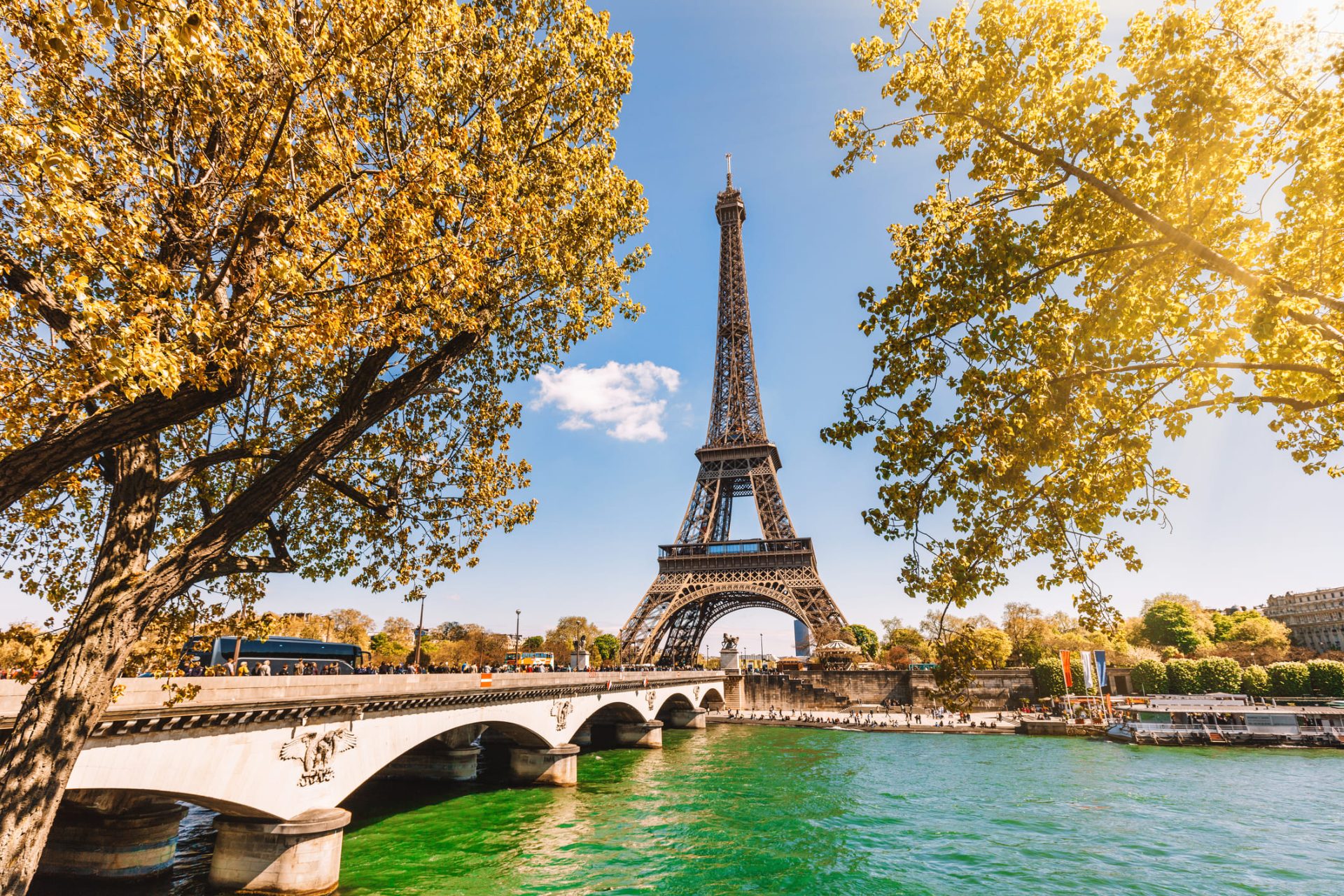
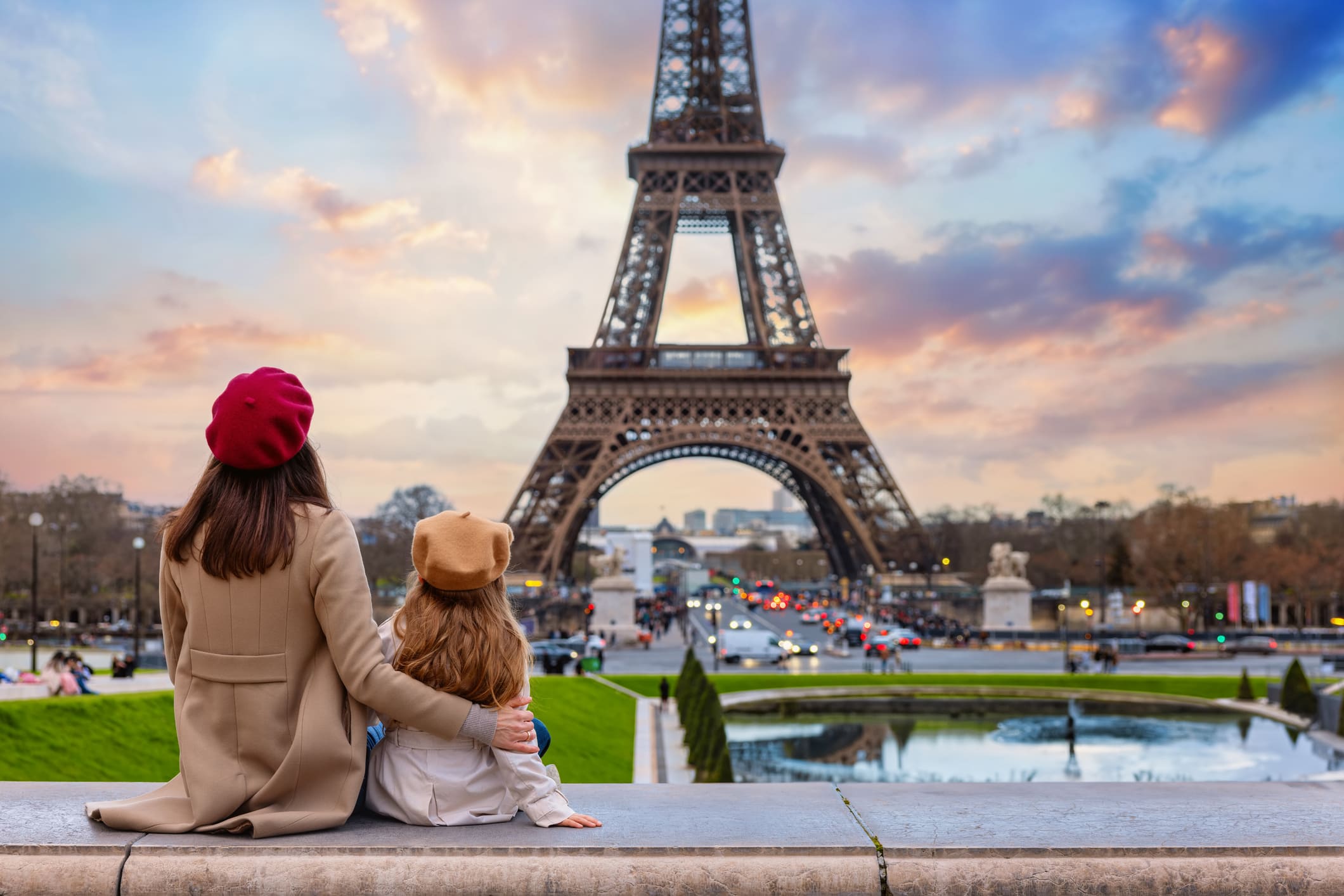
Then you go up the Eiffel Tower, all the way to the top. Gustave Eiffel's tower was built for the World's Fair of 1889 to celebrate the hundredth anniversary of the French Revolution, and at 330 metres, it was the tallest structure in the world for forty years. It's made of around 18,000 iron pieces held together by 2.5 million rivets, and it's so cleverly designed that even in strong winds, the top sways only a few centimetres. It's also repainted by hand every few years, using around 60 tonnes of paint. The lifts carry you to the second floor, and then a glass lift rises up through the narrowing iron lattice to the top level, 276 metres above the ground. From here, Paris spreads out in every direction like a map: the Seine winding through the city, the bridges, the parks, the golden dome of Les Invalides, the white basilica of Sacré-Cœur on its hill, and the skyscrapers of La Défense on the horizon. It's the kind of view you remember for the rest of your life.

In the afternoon, you drive west to the Palace of Versailles, the most magnificent royal palace in Europe, a UNESCO World Heritage Site. Louis XIV, the Sun King, chose the sun as his symbol, and you'll see golden suns and the face of Apollo, the sun god, everywhere in the palace and gardens. He moved the whole French court here in 1682, and life at Versailles revolved around him, from the moment he woke up in the morning, in front of an audience of courtiers, to the moment he went to bed. As you walk through the State Apartments, each dedicated to a Roman god, you'll see painted ceilings, marble walls, silk hangings and gilded furniture, before stepping into the Hall of Mirrors, the most famous room in the palace, where 357 mirrors face seventeen tall windows looking out over the gardens, and crystal chandeliers glitter overhead. In summer, the gardens are glorious, with geometric flowerbeds, clipped hedges, hundreds of statues and fountains that dance to baroque music on many days.

In the evening, you return to Paris for a cruise on the Seine. As the boat glides along the river, you'll pass the Musée d'Orsay, the long facade of the Louvre, and the Île Saint-Louis, a quiet island of elegant 17th-century houses, famous for its ice-cream shop, Berthillon, where Parisians queue for ice cream on summer evenings. Then comes the Île de la Cité and Notre-Dame Cathedral, beautifully restored after the fire of 2019, with its great towers, flying buttresses and stone gargoyles. In 1831, the writer Victor Hugo set his famous novel The Hunchback of Notre-Dame here, and the book's success helped save the cathedral, which was then in a sad state of disrepair, inspiring a great restoration in the 19th century. As the boat turns back, the Eiffel Tower glows gold ahead of you in the summer twilight, a sight that will stay with you forever. After the cruise, you return to your hotel for dinner.

Notre-Dame Cathedral reopened in December 2024 after more than five years of painstaking restoration following the fire of 2019, in which its famous wooden spire collapsed. Craftspeople from all over France worked to rebuild the roof, the spire and the vaults using traditional techniques, and today the cathedral gleams as brightly as it did centuries ago.

Included today: guided city tour of Paris, Eiffel Tower top (3rd) level, Palace of Versailles visit, Seine cruise, breakfast, lunch, dinner.

Good to know: access to the Eiffel Tower's top level depends on its operating status, and queues average one to two hours in summer; if the top is closed, the group visits the 2nd level instead. Wear comfortable shoes, as today involves a lot of walking.

Day 8
Full day at Disneyland® Paris | Rides, characters and fireworks

Full day at Disneyland® Paris | Rides, characters and fireworks

⌖ Paris 🍽 Meals: Breakfast, Lunch, Dinner

Today you leave the monuments behind for a day of pure fun at Disneyland® Paris, about forty minutes east of the city. After breakfast, the coach takes you to the gates, and the whole day is yours.

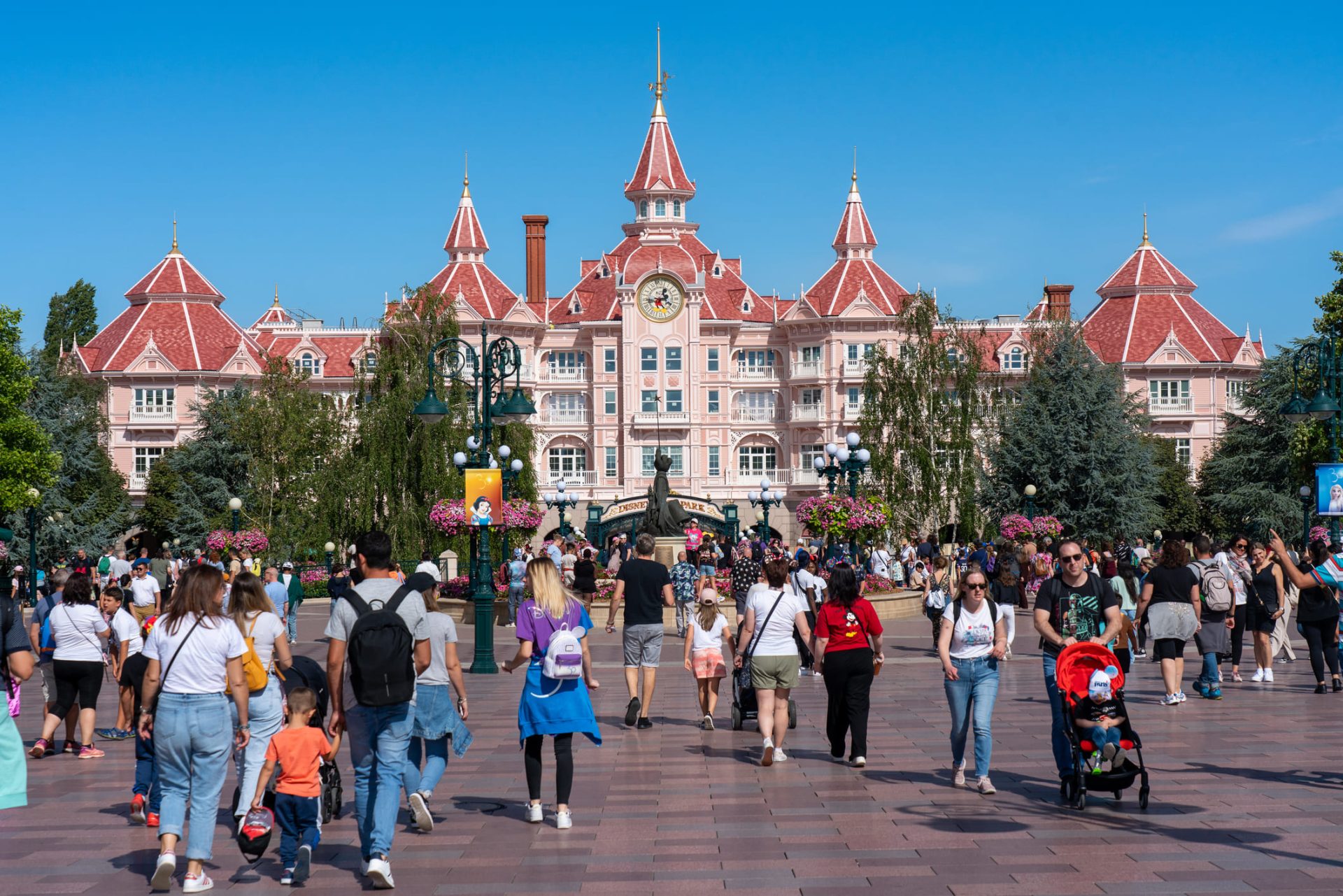
Disneyland® Paris opened in 1992 and is the most visited theme park in Europe. Your ticket gives you a full day in one of its two parks. Disneyland® Park is the classic: a fairy-tale world centred on Sleeping Beauty Castle, with five lands of rides, shows, parades and character meetings. The second park, next door, brings the magic of the movies to life, with rides and shows inspired by Disney, Pixar and Marvel films. There you can join the Avengers for a superhero mission at Avengers Campus, ride Crush's Coaster through the ocean world of Finding Nemo, race through Radiator Springs in the world of Cars, or brave the Hollywood Tower Hotel, where a lift drops you suddenly down a haunted tower. Your tour manager will help you choose the park that suits your family.

In Disneyland® Park, you begin on Main Street, U.S.A., a charming American small town of the early 1900s, with colourful shopfronts, a horse-drawn tram and an old-fashioned fire engine, leading to the pink and blue towers of Sleeping Beauty Castle. In Fantasyland, younger children can visit the Princess Pavilion to meet a real Disney princess, fly over moonlit London with Peter Pan, spin in giant teacups, and sail through "it's a small world" with its singing dolls dressed in costumes from every corner of the globe. In Adventureland, sail with the pirates of the Caribbean, climb the Swiss Family Robinson treehouse and take on the loops of the Indiana Jones roller coaster. In Frontierland, a runaway mine train thunders around Big Thunder Mountain, and in Discoveryland, you can blast into space or battle the evil Emperor Zurg with Buzz Lightyear.

In summer, the park stays open late, giving you a long, warm day to enjoy everything. The parade winds along Main Street with floats, music and dancers, as Mickey, Minnie, Donald, Goofy and the princesses wave to the crowds. And when darkness falls, the evening show at the castle, with projections, music, lasers and fireworks lighting up the sky, is the most magical moment of all, as thousands of people watch together, children on their parents' shoulders, everyone smiling.

A few tips will help you enjoy the day. Download the official Disneyland® Paris app to see waiting times for rides and the timings of shows and parades. Head to the most popular rides early, before the queues grow. In the afternoon heat, enjoy indoor shows or take a break in the shade. Families with small children can use the Rider Switch service on bigger rides, so parents can take turns without queuing twice. And keep an eye out for the "hidden Mickeys", little three-circle Mickey Mouse heads hidden by the designers in buildings, rides and even pavements; it's a fun game for children while waiting in line. Lunch is included, so you won't need to search for food.

In the evening the coach brings you back to Paris for dinner, with a coach full of tired, happy travellers, children clutching new soft toys and Mickey ears, and everyone comparing their favourite rides.

Disneyland® Paris is much more than the two parks. Around them lies a whole resort, almost a small town, with themed hotels set around a lake: one styled like a grand New York hotel, another like a Wild West frontier town, another like a New England seaside resort, and the pink, palace-like Disneyland Hotel right at the entrance to the park. Between the parks and the lake runs Disney Village, a lively street of restaurants, shops, cinemas and entertainment, which stays open after the parks close. On a summer evening, with the lights reflecting in the lake and music drifting through the air, the whole resort feels like a film set.

The designers of Disneyland® Paris paid special attention to Europe. Knowing that European visitors grew up surrounded by real castles, they made Sleeping Beauty Castle more of a fairy tale than a fortress, inspired by the illustrations in medieval French manuscripts, with curling trees clipped into shapes around it. And many of the stories told in the park came from Europe in the first place: Sleeping Beauty and Cinderella were written down by the French author Charles Perrault in the 17th century, and Beauty and the Beast is also a French fairy tale. In a sense, these stories have come home.

If you'd like a professional photo of your family in front of the castle, the park's photographers are stationed at the best spots throughout the day, and it's a lovely souvenir of a magical day.

Included today: full-day Disneyland® Paris ticket (one park), coach transfers, breakfast, lunch, dinner.

Good to know: summer is a busy season at the park, so expect queues at popular rides. Some rides have height limits for safety. Parades, shows and opening hours are set by the park and may change on the day.

Day 9
Paris to Geneva and Geneva orientation tour | Across France to Lake Geneva

Paris to Geneva and Geneva orientation tour | Across France to Lake Geneva

⌖ Geneva 🍽 Meals: Breakfast, Packed Lunch, Dinner

Today you leave Paris and head for Switzerland, the fifth country of your journey. After breakfast, you check out of your hotel and settle into the coach for a scenic drive across France, with a packed lunch so you can enjoy the countryside with fewer stops.

The road leads south-east through the heart of France. In summer, the countryside is a patchwork of colour: golden wheat fields, bright yellow sunflowers turning to face the sun, green pastures with creamy-white Charolais cattle, and small villages of stone houses with red-tiled roofs clustered around church spires. You'll pass through Burgundy, one of the world's most famous wine regions, where vineyards cover the gentle slopes and old monasteries and châteaux dot the landscape. Then the road climbs into the Jura mountains, a range of forested ridges and green pastures along the Swiss border, famous for its cheeses and its watchmakers.

In the afternoon, you arrive in Geneva, at the western tip of Lake Geneva, a beautiful crescent-shaped lake about 73 kilometres long, shared between Switzerland and France. Geneva is a French-speaking Swiss city with a global role: it's home to the European headquarters of the United Nations, the International Red Cross and many other international organisations, and around four in ten of its residents come from other countries. It's also the birthplace of the philosopher Jean-Jacques Rousseau, born here in 1712, whose ideas about freedom and equality inspired the French Revolution; a small island in the river, the Île Rousseau, is named after him.

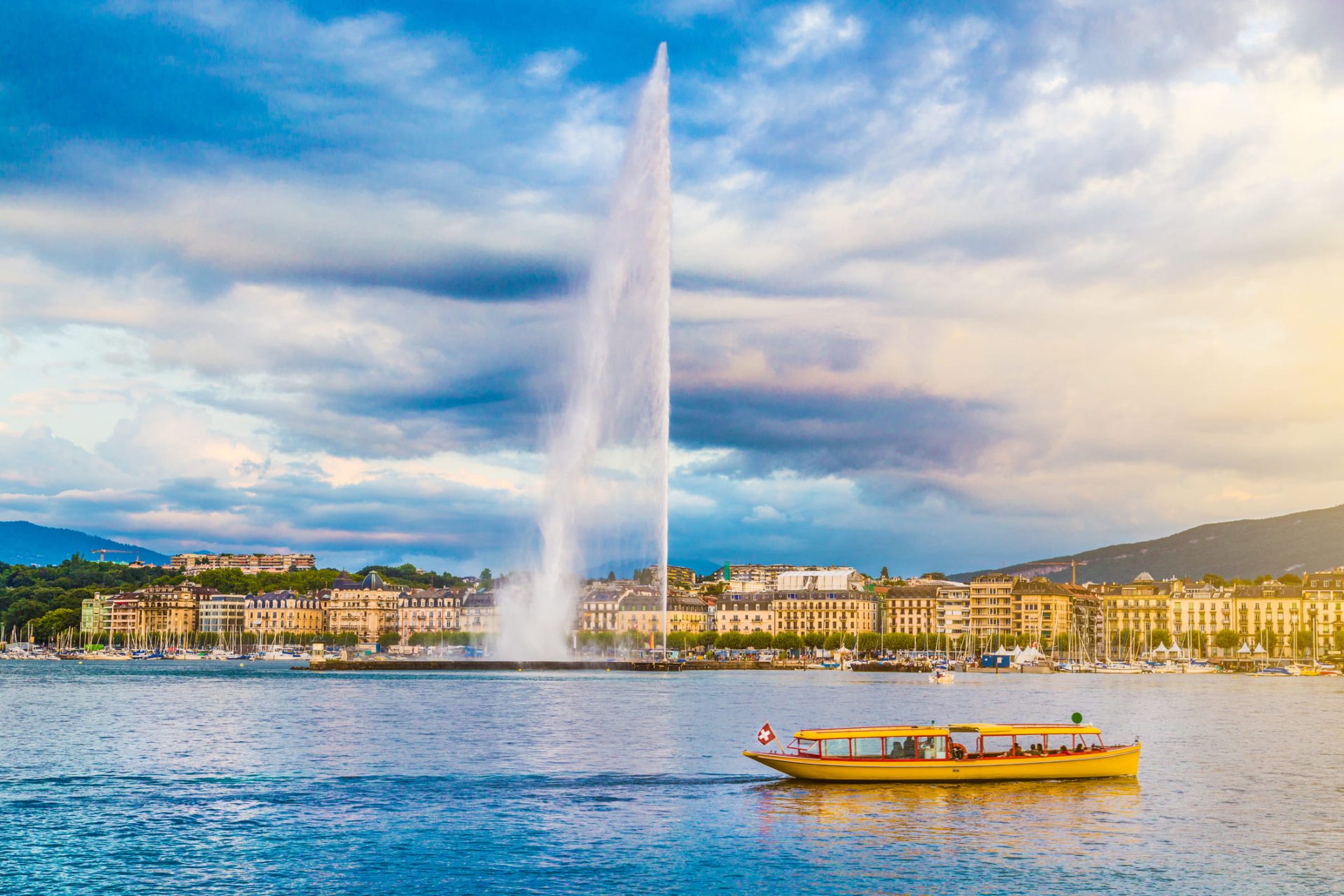
Your orientation tour shows you the city's most famous sights. On the lakefront stands the Jet d'Eau, Geneva's great fountain, shooting a column of water 140 metres into the sky at around 200 kilometres an hour; on a clear day, it can be seen from aircraft flying high above the city. Its spray often creates rainbows in the summer sunshine, and walkers on the jetty beside it sometimes get an unexpected shower. You'll see the Palais des Nations, the UN's Geneva headquarters, with the flags of its member states lining the avenue, and the Broken Chair across the square, a giant wooden chair with one leg shattered, standing as a reminder of the victims of landmines. In the English Garden by the lake, the Flower Clock, made of thousands of plants and flowers, is one of the most photographed sights in Geneva; its second hand alone is two and a half metres long.

In summer, Geneva is at its loveliest. The lake shines a deep blue, sailing boats drift across it, swans glide along the shore, and on clear days the snowy summit of Mont Blanc, the highest mountain in Western Europe, can be seen in the distance. Locals swim in the lake from public bathing places, cycle along the waterfront and gather at lakeside cafés in the long, warm evenings. After the tour, you check in to your hotel in Geneva and enjoy dinner with the group.

Geneva is often called the capital of peace, and with good reason. In 1864, the first Geneva Convention was signed here, setting rules to protect wounded soldiers in war, and the Geneva Conventions remain the foundation of international humanitarian law. After the First World War, the League of Nations, the world's first attempt at an organisation to keep peace between nations, was based here, and its grand Palais des Nations later became the home of the United Nations in Europe. In December 1931, Mahatma Gandhi travelled to Switzerland and stayed with the French writer Romain Rolland at his villa at Villeneuve, on the shore of Lake Geneva, where they spent days discussing non-violence.

Geneva's old town, on a hill above the lake, is a charming maze of cobbled lanes, fountains and antique shops around St. Pierre Cathedral, where the Protestant reformer John Calvin preached in the 16th century. In the park below the old walls stands the Reformation Wall, a long stone monument with giant statues of Calvin and his fellow reformers. Calvin's strict rules banned the wearing of jewellery, so Geneva's skilled goldsmiths turned their talents to making watches instead, laying the foundations of the city's world-famous watchmaking industry. Today, the lakefront is lined with the elegant boutiques of the world's most prestigious watch brands.

Geneva has inspired writers too. In the summer of 1816, on the shore of the lake, the young English writer Mary Shelley began writing Frankenstein during a series of stormy evenings when she and her friends challenged each other to write ghost stories. And just outside the city lies CERN, the world's largest particle physics laboratory, where scientists study the smallest building blocks of the universe, and where the World Wide Web was invented in 1989 by the British scientist Tim Berners-Lee.

Included today: coach Paris to Geneva, Geneva orientation tour, breakfast, packed lunch, dinner.

Good to know: the drive from Paris to Geneva takes most of the day, with comfort stops. Switzerland uses the Swiss franc, but cards are accepted almost everywhere.

Day 10
Jungfraujoch – Top of Europe and Interlaken | A day among the glaciers

Jungfraujoch – Top of Europe and Interlaken | A day among the glaciers

⌖ Central Switzerland 🍽 Meals: Breakfast, Lunch, Dinner

Today is the day many travellers look forward to most: the journey to Jungfraujoch, the Top of Europe. After breakfast, you check out of your hotel in Geneva and the coach heads east along the shore of Lake Geneva and across the rolling countryside of western Switzerland into the Bernese Oberland, a land of mighty peaks, glaciers, waterfalls and deep green valleys. In 2001, the Jungfrau-Aletsch region became the first area in the Alps to be named a UNESCO World Heritage Site.

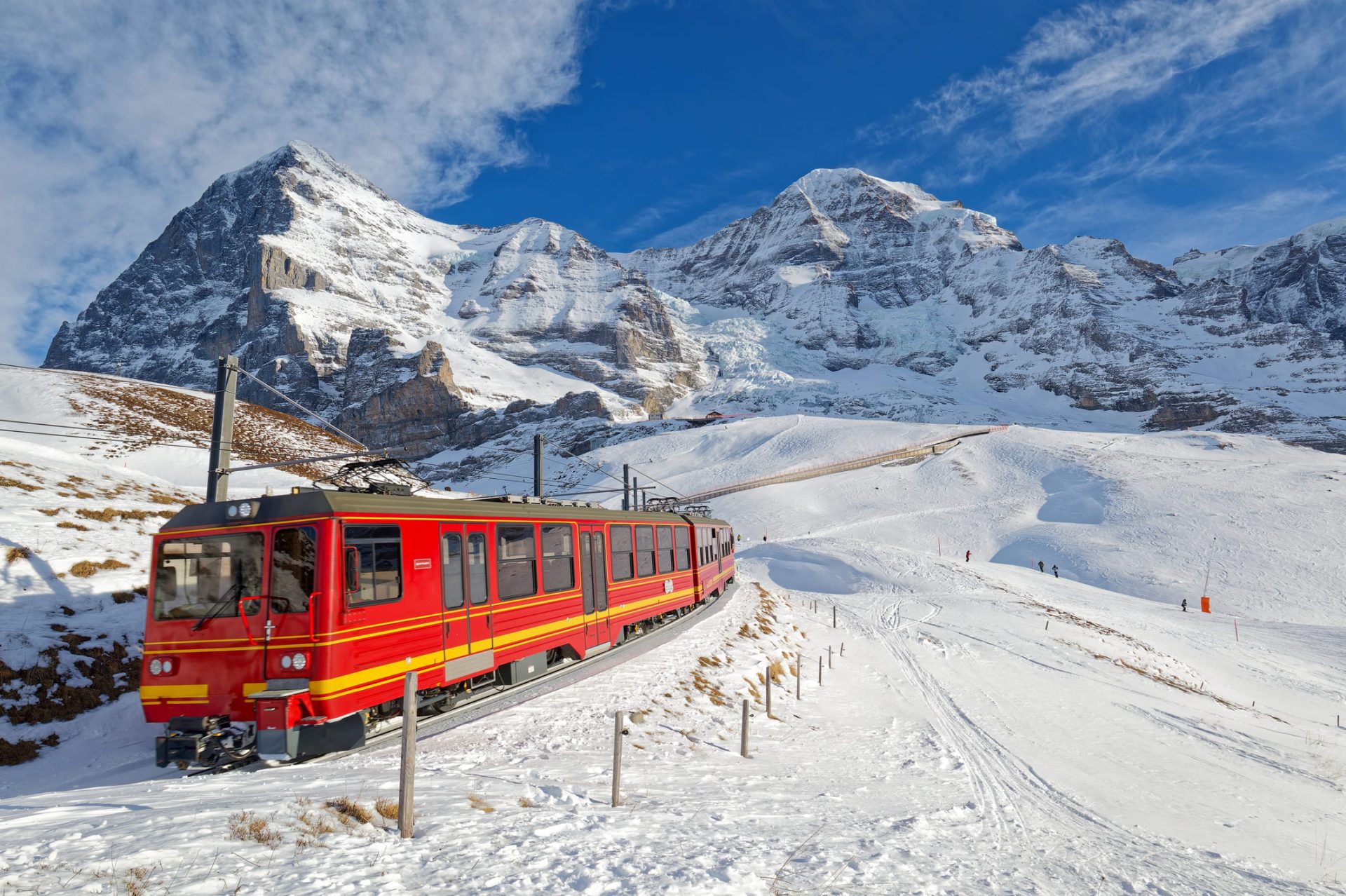
In summer, the scenery is pure Switzerland. Green meadows, sprinkled with wildflowers, climb up the slopes between the forests, cows with large bells graze on the hillsides, and wooden chalets with deep eaves and balconies overflowing with red geraniums stand in neat rows. Above it all rise the three great peaks of the region: the Eiger, the Mönch and the Jungfrau, whose names mean the Ogre, the Monk and the Maiden. A local legend says the Monk stands between the Ogre and the Maiden to protect her.

At the Grindelwald Terminal, you board the Eiger Express, a modern tri-cable gondola that carries you up from the valley to the Eigergletscher station in just 15 minutes. As it rises, the green meadows of Grindelwald fall away below, and the dark north face of the Eiger towers beside you, nearly 1,800 metres of sheer rock and ice. Climbers call it the Mordwand, the "murder wall", because so many lives were lost on it before it was finally climbed in 1938. From the comfort of your cabin, you can only marvel at their courage.

At Eigergletscher, you change to the cogwheel train of the Jungfrau Railway, which climbs through a tunnel blasted through the solid rock of the Eiger and the Mönch, completed in 1912 after sixteen years of hard work. Then the train arrives at Jungfraujoch, at 3,454 metres the highest railway station in Europe, a world of eternal ice and snow, where it can snow even in midsummer.

Take your time and walk slowly, as the air is thin at this height. Then explore. In the Ice Palace, a maze of passages and halls carved by hand into the glacier, you walk between gleaming walls of ice and admire ice sculptures glowing in the soft light. Then a fast lift whisks you up to the Sphinx observation deck, and the view takes your breath away: the Aletsch Glacier, the longest in the Alps, flows away between the white peaks for around 20 kilometres, a vast, silent river of ice. On a clear day, you can see far across the Alps towards France, Germany and Italy. Out on the snow plateau, you can walk on the glacier, throw snowballs, pose for photographs with the Swiss flag, and, in summer, enjoy the Snow Fun Park, with sledges and a zip line. Before you leave, visit the Lindt Swiss Chocolate Heaven, one of the highest chocolate shops in Europe, and send a postcard home from one of the highest post offices on the continent.

After descending, you visit Interlaken, a lovely resort town on a strip of land between two lakes, the turquoise Lake Thun and Lake Brienz. Its grand old hotels along the main street date back to the 19th century, when wealthy visitors first came to admire the mountains. In summer, the town buzzes with life: colourful paragliders drift down from the surrounding peaks to land on the great open meadow in the centre of town, and the Harder Kulm funicular climbs steeply from the town to a viewpoint high above the two lakes. There's time to wander, shop for watches and chocolates, and enjoy the mountain air.

In the evening you continue to your hotel in Central Switzerland for dinner, tired but thrilled after your day at the Top of Europe.

For Indian visitors, this region has a special place in the heart. Generations of Bollywood films were shot among these mountains, and in Interlaken's Kursaal gardens stands a bronze statue of the film director Yash Chopra, who made Switzerland a dream destination for millions of Indian families. Walking through Interlaken, with the snowy Jungfrau rising above the meadows, many visitors feel they've stepped straight into a favourite film. Even at the Top of Europe, there's a touch of home: an Indian restaurant serves warm, familiar food to visitors from India, a welcome sight after a morning in the snow and ice.

Included today: Jungfraujoch – Top of Europe excursion with the Eiger Express and Jungfrau Railway, Ice Palace, Sphinx observation deck, Interlaken visit, breakfast, lunch, dinner.

Good to know: it's cold at the top even in summer, often around freezing, so bring a warm jacket, gloves, sunglasses and sunscreen. Walk slowly at altitude. Travellers with heart or breathing conditions should check with their doctor before going. Snow Fun Park activities may cost extra.

Day 11
Mt. Titlis, Lucerne and a Lake Lucerne cruise | A glacier, a medieval town and a lake of legends

Mt. Titlis, Lucerne and a Lake Lucerne cruise | A glacier, a medieval town and a lake of legends

⌖ Central Switzerland 🍽 Meals: Breakfast, Lunch, Dinner

Today you enjoy three of Central Switzerland's highlights. After breakfast, the coach takes you to Engelberg, a mountain village in a green valley at the foot of Mt. Titlis, whose glacier glistens white above the forests, even in summer.

The ascent is a series of thrilling rides. Gondolas carry you over pine forests and alpine meadows to Trübsee, a mountain lake where, in summer, families stroll along the shore and children paddle in the clear water. A cable car then carries you higher into the world of rock and ice, and for the final climb, you board the Rotair, the world's first revolving cable car. As it rises up the last steep cliff, its floor slowly rotates through a full circle, so everyone on board enjoys a 360-degree view of the snow-capped peak, the deep crevasses of the glacier, pristine snowfields dotted with massive blocks of ice, and the green valley far below.

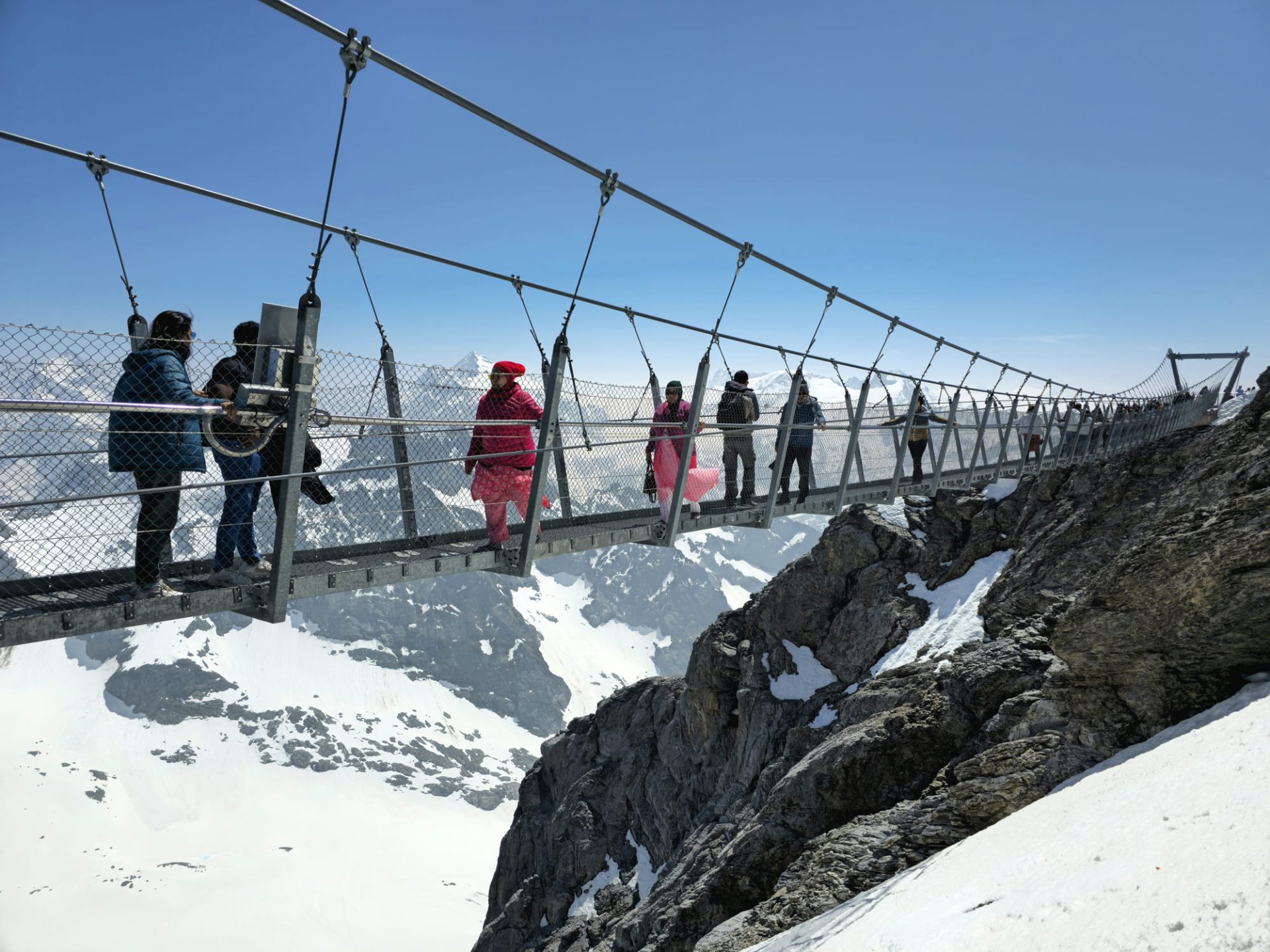
At the top station, at 3,020 metres, you step into a world of snow. Walk across the Titlis Cliff Walk, the highest suspension bridge in Europe, which hangs along the cliff face with a sheer drop of around 500 metres beneath your feet, swaying gently in the wind. Then descend into the Glacier Cave, a tunnel cut deep into the ice, where the frozen walls glow in shades of blue. If the weather is good, ride the Ice Flyer chairlift, gliding low over the glacier and its crevasses, or simply enjoy the snow and the views across the Alps.

After coming down, you drive to Lucerne for an orientation tour. Lucerne lies where the River Reuss flows out of Lake Lucerne, surrounded by mountains, and its old town is a delight of cobbled squares, painted houses and church towers. You'll visit the Lion Monument, a great dying lion carved into a sandstone cliff in memory of the Swiss Guards who died defending the French royal family in Paris in 1792; it's one of the most moving monuments in Europe. Then you cross the Kapellbrücke, the Chapel Bridge, the covered wooden footbridge from the 14th century, decorated with flower boxes in summer, with its stone Water Tower rising from the river. Further downstream, a second wooden bridge, the Spreuer Bridge, has a series of paintings showing the Dance of Death, a medieval reminder that life is short. In summer, Lucerne hosts the Lucerne Festival, one of the world's great classical music festivals, in its striking lakeside concert hall. There's free time to shop in the old town for Swiss watches, Swiss Army knives and chocolates.

Later, you board a boat for a cruise on Lake Lucerne, the lake where, according to tradition, Switzerland was born. As the boat glides between the mountains, you'll see lakeside villages, grand old hotels, waterfalls and meadows, with snowy peaks rising behind. This is the land of William Tell, the legendary Swiss hero who was forced to shoot an apple from his son's head with a crossbow, and who later freed his people from a cruel ruler. On the lakeshore near the village of Sisikon stands the little Tell Chapel, marking the spot where, according to legend, Tell leapt from a boat to escape his captors. The German poet Friedrich Schiller wrote a famous play about him in 1804, and the composer Rossini turned it into an opera. In the soft light of a summer evening, with the breeze on your face and the mountains reflected in the water, it's a perfect moment of peace. In the evening you return to your hotel for dinner.

Lucerne has charmed visitors for centuries. Queen Victoria stayed here in 1868 and explored the surrounding mountains, and the composer Richard Wagner lived in a villa on the lakeshore for six years, where he wrote some of his greatest works. On the lakefront stands the striking modern Culture and Convention Centre, designed by the French architect Jean Nouvel, with a vast flat roof that seems to float over the water. Not far away, the Swiss Museum of Transport, the most visited museum in Switzerland, displays everything from steam trains and cable cars to aeroplanes and spacecraft.

Across the lake rises Mt. Pilatus, whose cogwheel railway, with a gradient of up to 48 percent, is the steepest in the world, and the shores of the lake are the home of the Swiss Army knife, made in the village of Ibach since 1884. A red Swiss Army knife bought in Lucerne makes a perfect souvenir, but remember to pack it in your checked luggage.

Included today: Mt. Titlis with the Rotair revolving cable car and Cliff Walk, Lucerne orientation tour, Lake Lucerne cruise, breakfast, lunch, dinner.

Good to know: it can be cold and windy at the top of Titlis, so carry a warm layer, sunglasses and sunscreen. The Ice Flyer and other summit activities depend on the weather.

Day 12
Bern, the Rhine Falls by boat and the Lindt Home of Chocolate | A capital, a waterfall and the sweetest finale

Bern, the Rhine Falls by boat and the Lindt Home of Chocolate | A capital, a waterfall and the sweetest finale

⌖ Central Switzerland 🍽 Meals: Breakfast, Lunch, Dinner

Your last full day in Switzerland takes you to the capital, to Europe's largest waterfall and into a world of chocolate. After breakfast, the coach drives west to Bern, the capital of Switzerland.

Bern is a small, friendly city with a remarkably well-preserved medieval old town, a UNESCO World Heritage Site. It sits on a narrow rocky peninsula, almost entirely surrounded by a loop of the River Aare, whose water is a beautiful shade of turquoise. Your orientation tour leads you along the old town's streets, lined with about six kilometres of covered stone arcades, among the longest covered shopping promenades in Europe. Bern has more than a hundred fountains, and eleven of them in the old town are decorated with colourful 16th-century figures, from a piper and a knight to a bear in armour. Above the rooftops rises the spire of Bern Minster, at around 100 metres the tallest church tower in Switzerland.

You'll see the Zytglogge, the city's famous clock tower, which has carried an astronomical clock since the 16th century; a few minutes before each hour, its mechanical figures, including a rooster, a jester and a procession of bears, put on a little show. Nearby is the flat where Albert Einstein lived while he worked at the patent office and developed his theory of relativity in 1905. You'll also see the Federal Palace, home of the Swiss parliament and government. Across the river, the Bear Park is home to Bern's living mascots, real brown bears, a reminder of the legend that the city was named after a bear. In summer, Bern's favourite pastime is swimming in the Aare: locals walk upstream, jump into the clear, cool water and let the current carry them back through the city.

Then you drive north to Schaffhausen and the Rhine Falls, the largest waterfall in Europe, about 150 metres wide. In summer, swollen with meltwater from the Alps, the river thunders over the rocks in a vast wall of white foam and spray. You board a boat that takes you across the churning basin and right up close to the falls, into the spray and the roar. Depending on the water level, the boat may stop at the great rock in the middle of the falls, where you can climb a narrow staircase to the top and stand with the Rhine crashing past on both sides. On the cliff above, the medieval Laufen Castle offers paths and viewing platforms that take you almost close enough to touch the rushing water.

The day ends sweetly at the Lindt Home of Chocolate in Kilchberg, on the shores of Lake Zurich. Inside, the world's largest chocolate fountain, more than nine metres tall, pours around 1,500 litres of liquid chocolate from a giant golden whisk. The interactive exhibition tells the story of chocolate, from the cocoa farms of the tropics to the Swiss chocolate makers who made it smooth and creamy, and along the way there are tastings to enjoy. You may recognise some of Lindt's most famous creations, including the golden chocolate bunny with its little red ribbon and bell, first made in 1952. At the end, the huge Lindt shop is the perfect place to buy chocolates for everyone at home.

In the evening you return to your hotel in Central Switzerland for your farewell dinner, a chance to share memories of an unforgettable journey with your fellow travellers.

Bern has a few more surprises. Toblerone, the famous triangular chocolate bar with honey and almond nougat, was invented in Bern in 1908 and is still made in the city today. On the edge of town, the Zentrum Paul Klee, a museum designed by the architect Renzo Piano in the shape of three great waves rising from the landscape, holds the largest collection of works by the painter Paul Klee, who grew up in Bern. And Switzerland's government works in a very Swiss way: instead of a single prime minister, it's led by a council of seven ministers, who take turns, one year each, as president, and ordinary citizens vote on important national questions several times a year.

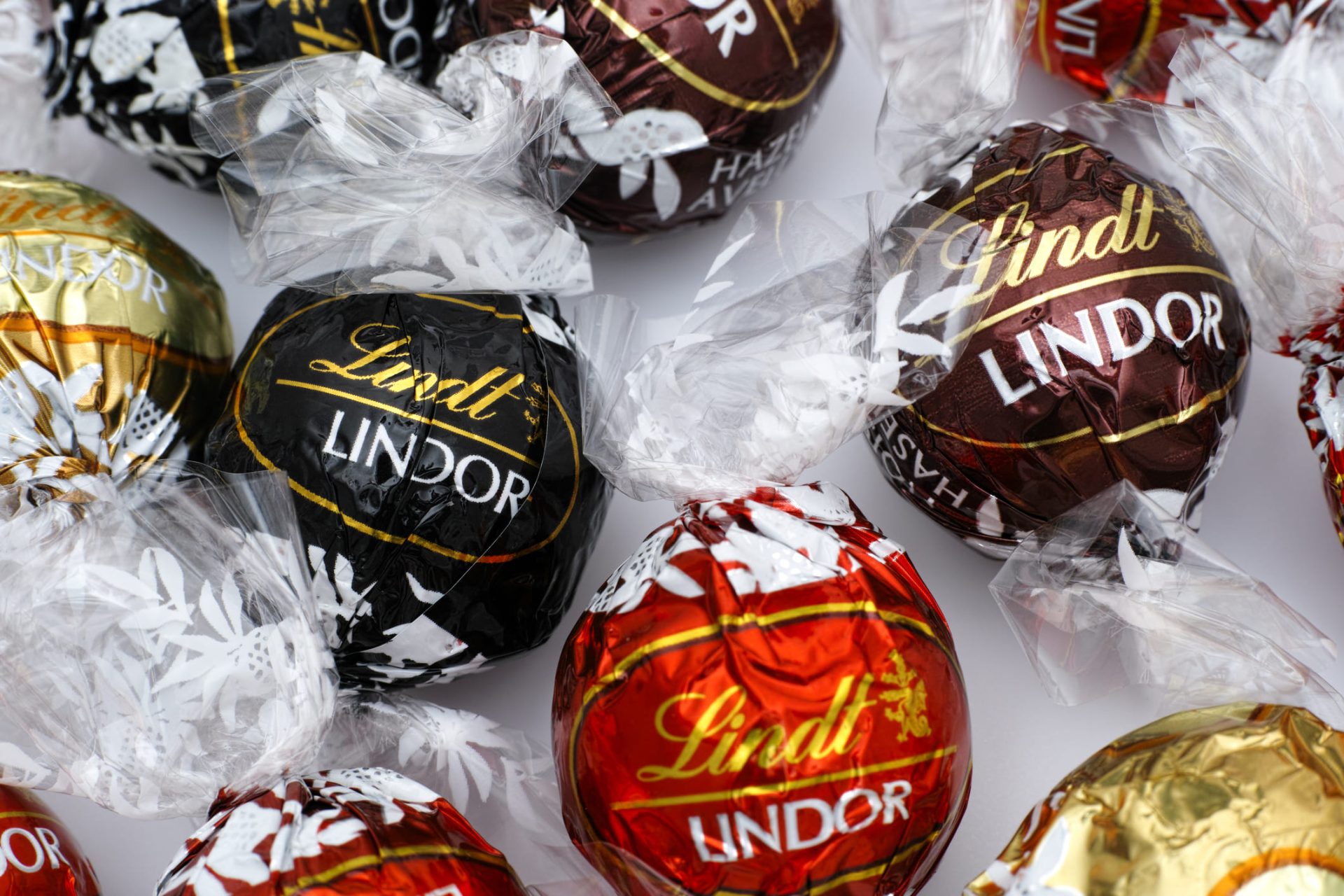
At Lindt, look out for the story of how Swiss chocolate became smooth. Before 1879, chocolate was gritty and hard. That year, Rodolphe Lindt invented a process called conching, slowly stirring and heating the chocolate for many hours, which gave it the silky, melting texture we know today. Lindt's famous Lindor truffles, with their crisp shell and soft, melting centre, were first created in 1949.

Included today: Bern orientation tour, Rhine Falls boat ride, Lindt Home of Chocolate entry with tasting, breakfast, lunch, dinner.

Good to know: you may get a little wet on the Rhine Falls boat, so protect your phone and camera. Landing at the central rock depends on the water level. Keep chocolates in a cool place.

Day 13
Departure from Zurich | Home with five countries in your heart

Departure from Zurich | Home with five countries in your heart

⌖ Zurich 🍽 Meals: Breakfast

Your grand European journey comes to an end today. Before you leave, take a quiet moment over breakfast to enjoy your last Swiss morning: the fresh mountain air, the green hills, perhaps a lake shimmering in the sunlight, and the distant line of the Alps on the horizon.

Look back on everything you've seen in the past thirteen days. In London, you watched the Changing of the Guard, met the stars at Madame Tussauds, rode the London Eye, cruised the Thames, walked through the Long Room at Lord's and saw the Koh-i-Noor among the Crown Jewels at the Tower of London. You crossed under the sea on the Eurostar to the Netherlands, strolled through the thatched canal village of Giethoorn, became a giant at Madurodam, saw the tulips of Keukenhof or the windmills of Zaanse Schans, and glided along Amsterdam's canals. You photographed the Atomium and stood in the Grand Place in Brussels. In Paris, you rode to the top of the Eiffel Tower, walked through the Hall of Mirrors at Versailles, cruised the Seine and spent a magical day at Disneyland® Paris. Then came Switzerland: Geneva's great fountain, the glaciers of Jungfraujoch, the revolving cable car on Mt. Titlis, Lucerne and its lake, Bern's arcades, the Rhine Falls and the chocolate fountain at Lindt. That's five countries, five capitals and the Swiss Alps, all in one journey.

Now it's time to pack. Over thirteen days, you've probably collected quite a few souvenirs: British tea and shortbread, cricket memorabilia from Lord's, Dutch cheese, Delft blue pottery or tulip bulbs, Belgian chocolates, French perfume and macarons, Disney souvenirs, and Swiss watches, chocolates and knives. Wrap fragile items carefully in clothes and place them in the middle of your suitcase, and keep chocolates away from heat. Swiss Army knives and liquids over 100 ml must go in your checked baggage. Keep your passport, tickets, medicines and a light jacket in your hand luggage. If you're carrying tulip bulbs or cheese, check the import rules before you fly, and if you made a large purchase with a tax-free form, keep the form, receipt and goods together, as they may need to be checked at the airport.

After breakfast, you check out and the coach takes you to Zurich Airport, crossing the green Swiss Plateau with its orchards, farms and villages. This is the moment to say goodbye to your tour manager, who has guided you through five countries, two visas, trains, coaches, boats and cable cars, and to the friends you've made along the way. After thirteen days of shared adventures, many travellers find their fellow passengers have become friends for life. Exchange numbers and promise to share your photographs; you'll have thousands of them between you.

At the airport, there's time for a last hot chocolate and some final shopping. Then it's time to board your flight. As the plane climbs, look out of the window for a last glimpse of the snowy Alps glittering on the horizon. You're carrying home memories of royal London, the canals of Holland, the romance of Paris and the majesty of the Swiss mountains, and they'll stay with you for a lifetime.

Over these thirteen days, you've used three currencies, the pound, the euro and the Swiss franc, heard English, Dutch, French and German, and crossed the sea by train. You've seen how different, and yet how closely connected, the countries of Europe are: a short train or coach journey can take you from the royal pageantry of London to the windmills of Holland, from the golden squares of Brussels to the boulevards of Paris, and on to the glaciers of the Alps.

Switzerland, where your journey ends, is a country of quiet precision. Look out at the airport or station for the famous Swiss railway clock, with its plain white face and red second hand shaped like a railway signal; its second hand sweeps round in about 58 seconds, then pauses at the top until the master clock gives the signal for the next minute, so that every station clock in the country stays perfectly in time. It's a small, perfect symbol of the Swiss way of life.

And as you buy your last bar of Swiss chocolate, remember that milk chocolate itself was invented in Switzerland, in 1875, when Daniel Peter had the idea of combining cocoa with the condensed milk made by his neighbour, Henri Nestlé. The Swiss have been perfecting it ever since.

If this journey has given you a taste for Europe, there's so much more to discover: the canals of Venice and the ruins of Rome, the castles of the Rhine, the palaces of Vienna, the fjords of Norway or the Scottish Highlands. Many of our travellers find that their first European journey is only the beginning.

Included today: breakfast, departure transfer to Zurich Airport.

Good to know: book a flight that leaves at least 3 hours after the transfer reaches the airport; we'll confirm the transfer time when you book.

Hotel confirmation

Hotel names will be provided after booking, subject to availability and confirmation. We do not hold hotel confirmations before booking.

Inclusions

Hotels: Guaranteed 04 Star

Meals: All Meals Included

Sightseeing: All Tours included

Exclusions

Flights

Visa

Insurance

GST

TCS

Important Terms

Booking and payment

  • At booking: 30% of the tour cost per person.
  • 30 days before departure: the full balance.
  • Booking within 30 days of departure: 30% to book, and the balance as soon as your booking is confirmed.

Cancellation charges

From booking until 36 days before departure₹42,000 per person35 to 29 days before departure₹60,000 per person28 to 15 days before departure50% of the tour cost14 to 8 days before departure75% of the tour cost7 days or less before departure, or no-show100% of the tour cost


Who this tour suits

Choose European Grandeur if you want London and Amsterdam as well as Paris and Switzerland, without the long drives to Italy. The three-night stays make it comfortable for families and senior travellers.

European Grandeur – London, Amsterdam, Paris & Switzerland, 12 Nights / 13 Days FAQs

Is Giethoorn included?
Yes, an orientation tour of Giethoorn, the Dutch village of canals and thatched cottages, on the way into the Netherlands.
How many nights are in each city?
Three in London, two in the Netherlands, three in Paris, one in Geneva and three in central Switzerland.
Are flights included?
No. This is a land tour that starts in London and ends in Zurich. We can add return flights from Delhi, Mumbai or your city, timed to match the group transfers.
Is Jain or vegetarian food available?
Yes. Most lunches and dinners are Indian meals with Jain, vegetarian and non-vegetarian options, and breakfast is a continental buffet at the hotel.
Gallery

Europe photos: European Grandeur – London, Amsterdam, Paris & Switzerland, 12 Nights / 13 Days

Plan your Europe holiday with Dreamland Vacations

Share your dates, travellers and comfort preference. Our team will guide you with the next best step.

Get a free quote
Itinerary Get a quote
WhatsApp