Arrive in Paris | The city of romance, lights and glamour
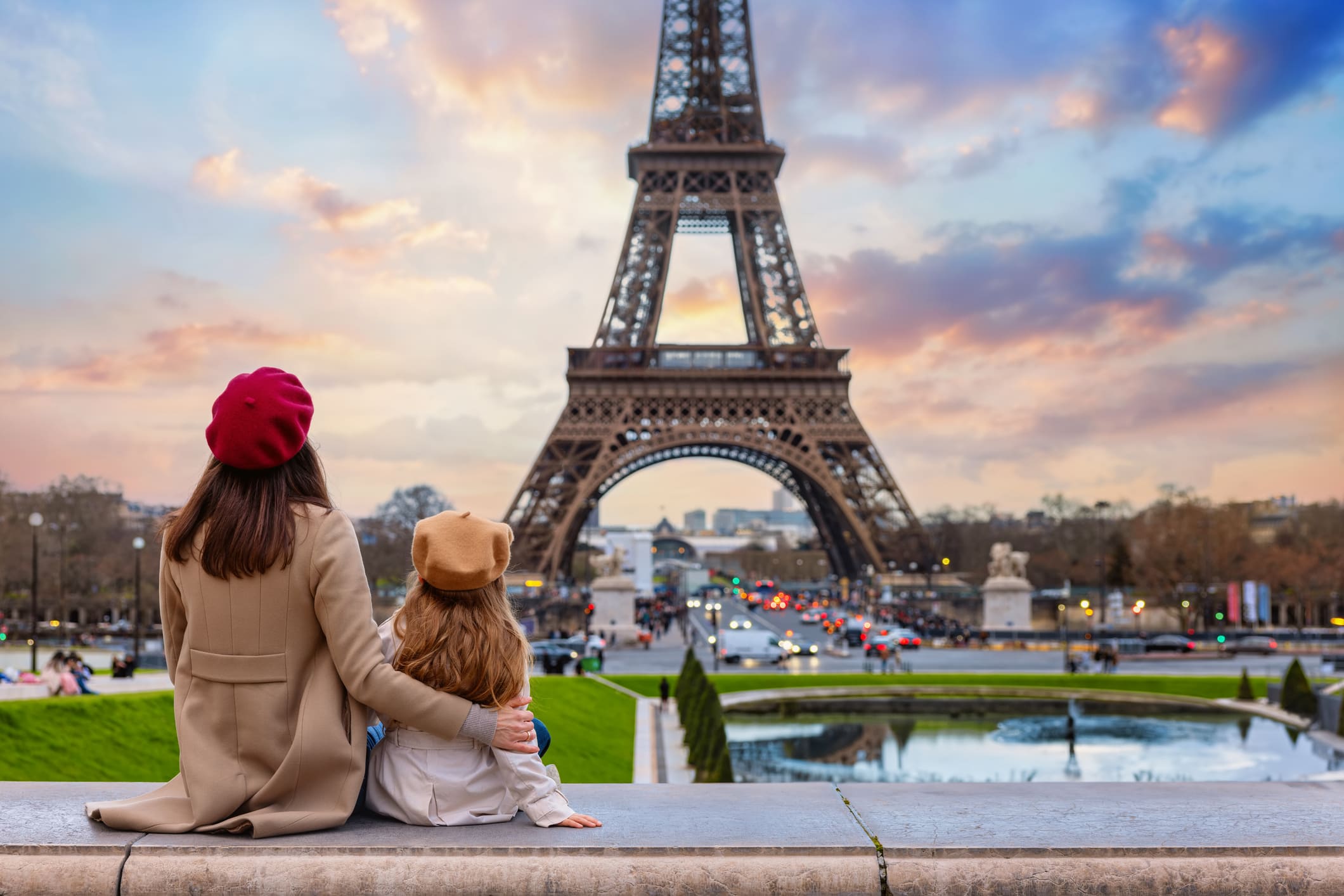
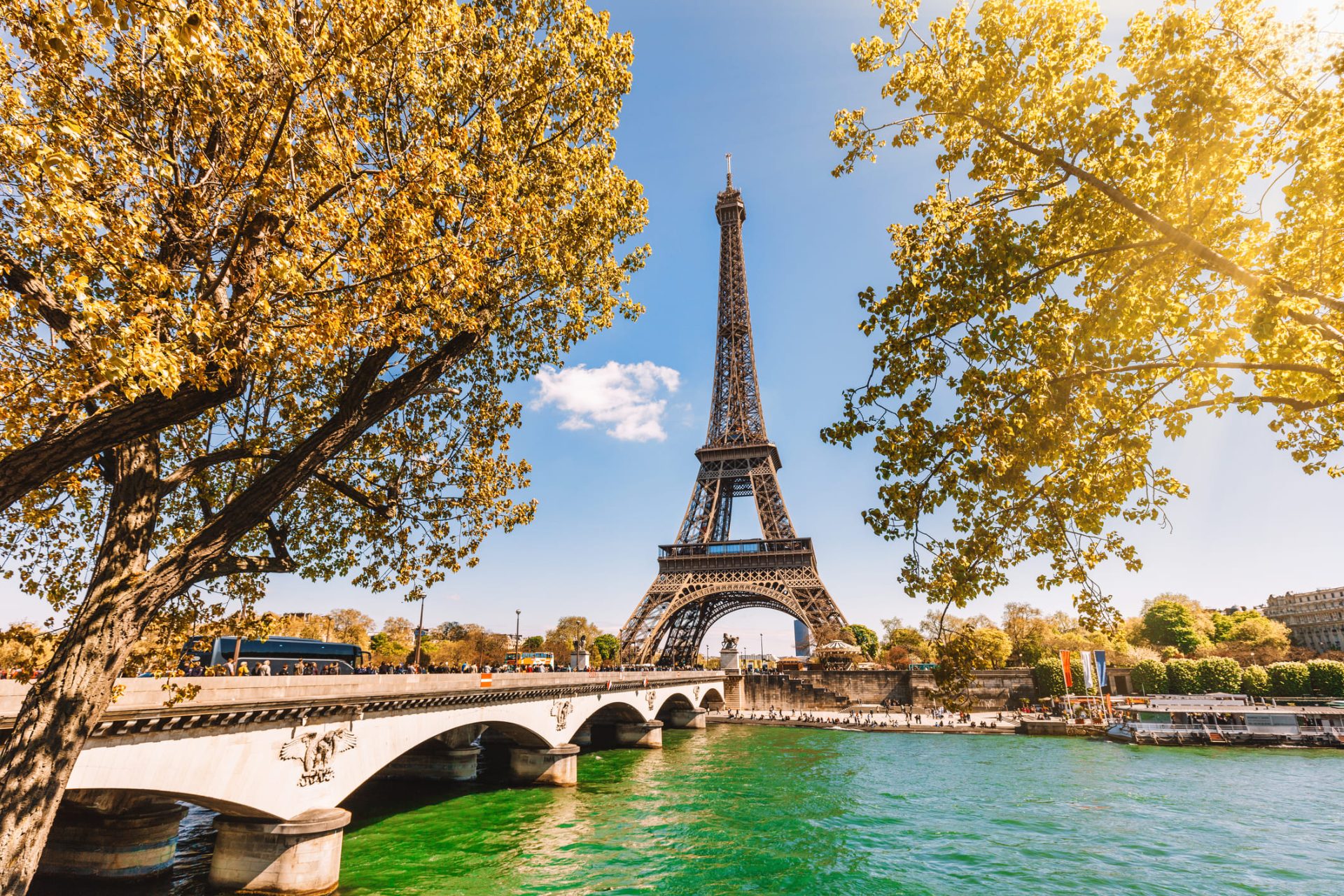
Your week in Europe begins in Paris, the city that has inspired lovers, artists and dreamers for centuries. As your plane descends towards Charles de Gaulle Airport, look out of the window at the patchwork of golden wheat fields and green woods around the city, and then, if you're lucky, a first glimpse of Paris itself: the long grey ribbon of the Seine, the domes and spires, and the unmistakable silhouette of the Eiffel Tower rising above the rooftops.
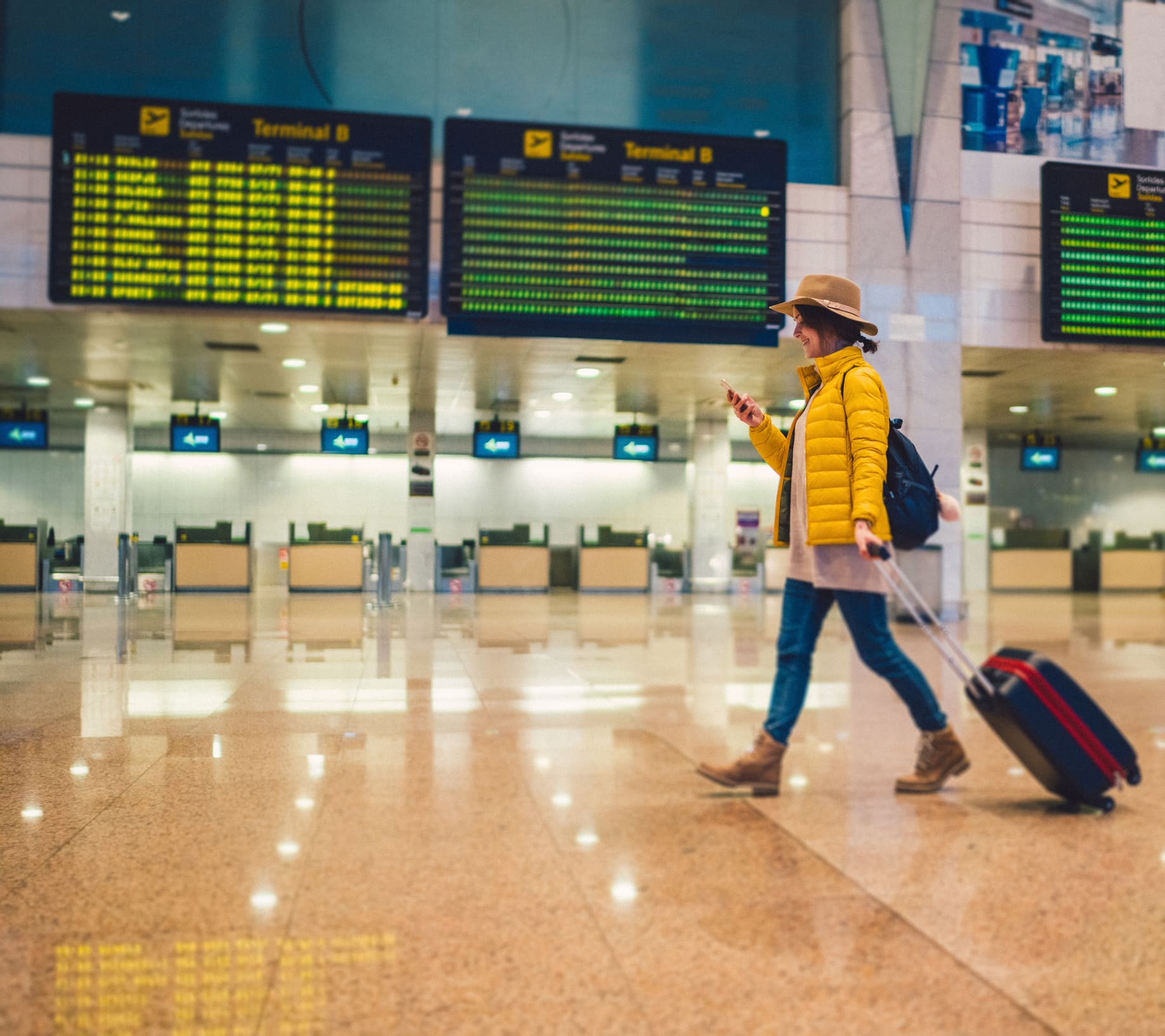
After you collect your bags, walk out into the arrivals hall, where your professional tour manager is waiting to welcome you. From this moment on, everything is arranged: the coach, the hotels, the tickets and the meals. All you need to do is enjoy a week that will take you through five countries.
The drive into the city is your first taste of Paris. Notice the elegant cream-coloured apartment buildings, six or seven storeys high, with black wrought-iron balconies and grey zinc rooftops; the tree-lined boulevards; the flower-filled window boxes; and the café terraces where Parisians sit side by side facing the street, coffee in hand, watching the world go by. Paris is famous for haute couture, its great museums, its beautiful monuments and its cabarets, but its real charm is in the everyday rhythm of its streets: the bakery queues in the morning, the market stalls piled with fruit and cheese, and the long, relaxed lunches.
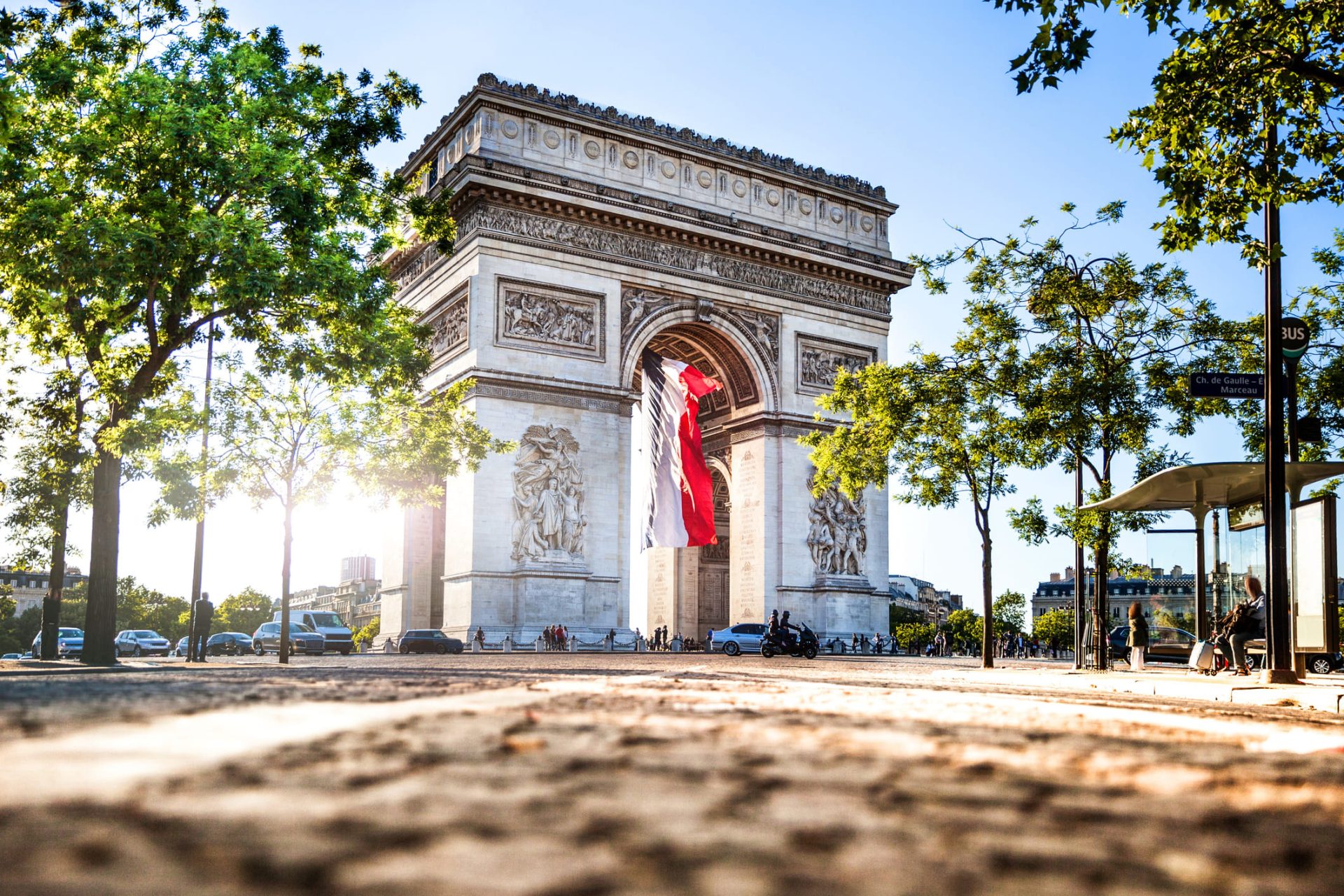
Summer is a wonderful time to be in Paris. The days are long, with the sun setting after half past nine in June and July, and the whole city seems to live outdoors. Parisians picnic along the banks of the Seine and in the parks, with baguettes, cheese and fruit spread out on the grass. In July and August, parts of the riverbank are turned into a summer beach, called Paris Plages, with sand, deckchairs, parasols and palm trees. On 21 June, the longest day of the year, the whole city celebrates the Fête de la Musique, when musicians of every kind, from rock bands to classical quartets, play for free on street corners, squares and parks until late into the night. On 14 July, Bastille Day, France's national day, a great military parade marches down the Champs-Élysées, and fireworks light up the sky around the Eiffel Tower. And at the end of July, the Tour de France, the world's most famous cycle race, traditionally finishes on the Champs-Élysées. Whenever you come in summer, there's something happening.
Once you reach your hotel and check in, take time to rest after the journey. If you have the energy, take a gentle walk around your neighbourhood. Stop at a boulangerie, a traditional bakery, for a warm croissant or a pain au chocolat, or at a pâtisserie, whose windows display rows of colourful macarons, glossy fruit tarts and cream-filled éclairs, each one a small work of art. The French take their food seriously, and even the simplest baguette is made with care: in 2022, UNESCO added the craft of the French baguette to its list of the world's intangible cultural heritage.
A few practical tips will help you settle in. France uses the euro, and cards are accepted almost everywhere. Always greet shopkeepers and waiters with a polite "Bonjour" when you enter, and "Merci, au revoir" when you leave; the French consider this essential courtesy, and it makes a big difference to the welcome you receive. Keep an eye on your bags and phones in crowded places, as pickpockets work the busiest tourist areas. And drink plenty of water, as summer days in Paris can be hot.
In the evening, the group gathers for dinner, a chance to meet your fellow travellers and to hear your tour manager outline the week ahead. Then it's back to the hotel for a good night's sleep. Tomorrow, Paris awaits: the Eiffel Tower, the Seine, Versailles and the great monuments of the city.
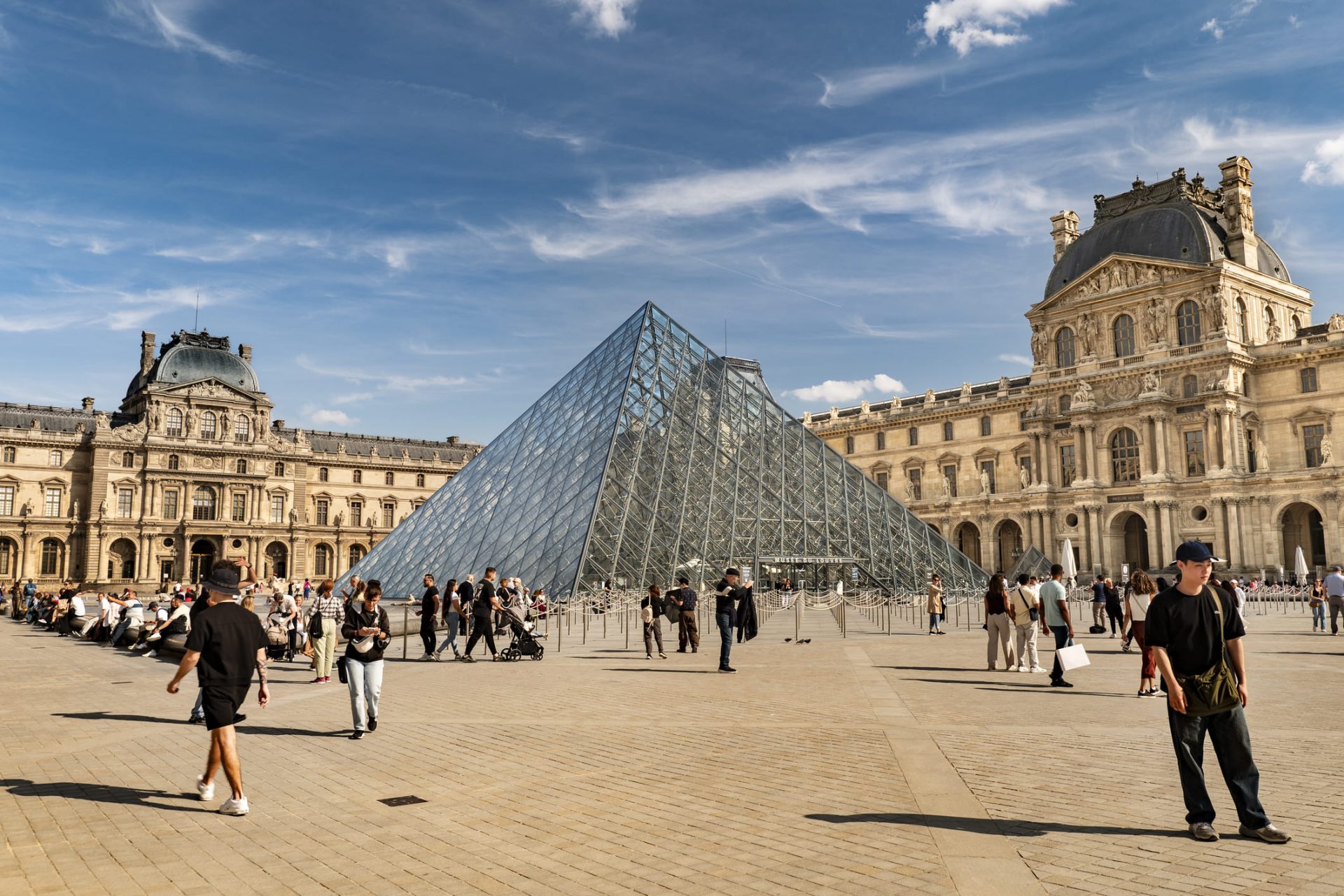
Paris is divided into twenty districts, called arrondissements, which spiral outwards from the centre like the shell of a snail, starting with the 1st around the Louvre. Parisians often describe where they live simply by its number. The Seine splits the city into the Right Bank, north of the river, with its grand boulevards, department stores and the Champs-Élysées, and the Left Bank, south of the river, the traditional home of students, writers and artists. On the hill of Montmartre in the north, painters like Picasso, Renoir and Van Gogh once lived and worked, and artists still set up their easels in its little square today. Paris even has its own "Little India" around La Chapelle, in the north of the city, where shops sell saris, spices, sweets and Bollywood films, and restaurants serve dosas and biryani. It's a reminder that even far from home, a taste of India is never far away.
Included today: arrival transfer, dinner (other meals depending on your flight timings).
Good to know: hotel check-in is usually mid-afternoon. Summer days in Paris are usually 22–30°C, sometimes hotter, so pack light clothes, sunglasses and a hat, plus a light jacket for cooler evenings.